

The post The ‘Cats Are Loners’ Myth Is Wrong: What Research Shows About Cats’ Social Lives first appeared on Crafting Your Home.
Someone on Cyprus dug a grave roughly9,500 years ago, laid a person in it, and buried a cat less than half a meter away. Jean-Denis Vigne and his team reported the find in a 2004 paper in Science and read the pairing as a sign of a bond between human and animal, making it among the earliest traces of a cat living alongside people.
Americans have spent decades describing cats as the pet that needs nothing, a roommate with fur and a grudge. The story is convenient for owners and badly out of date. Cats choose their company with care, and the research on how they do it is stronger than most households realize.
The wildcat ancestor really was a solitary hunter
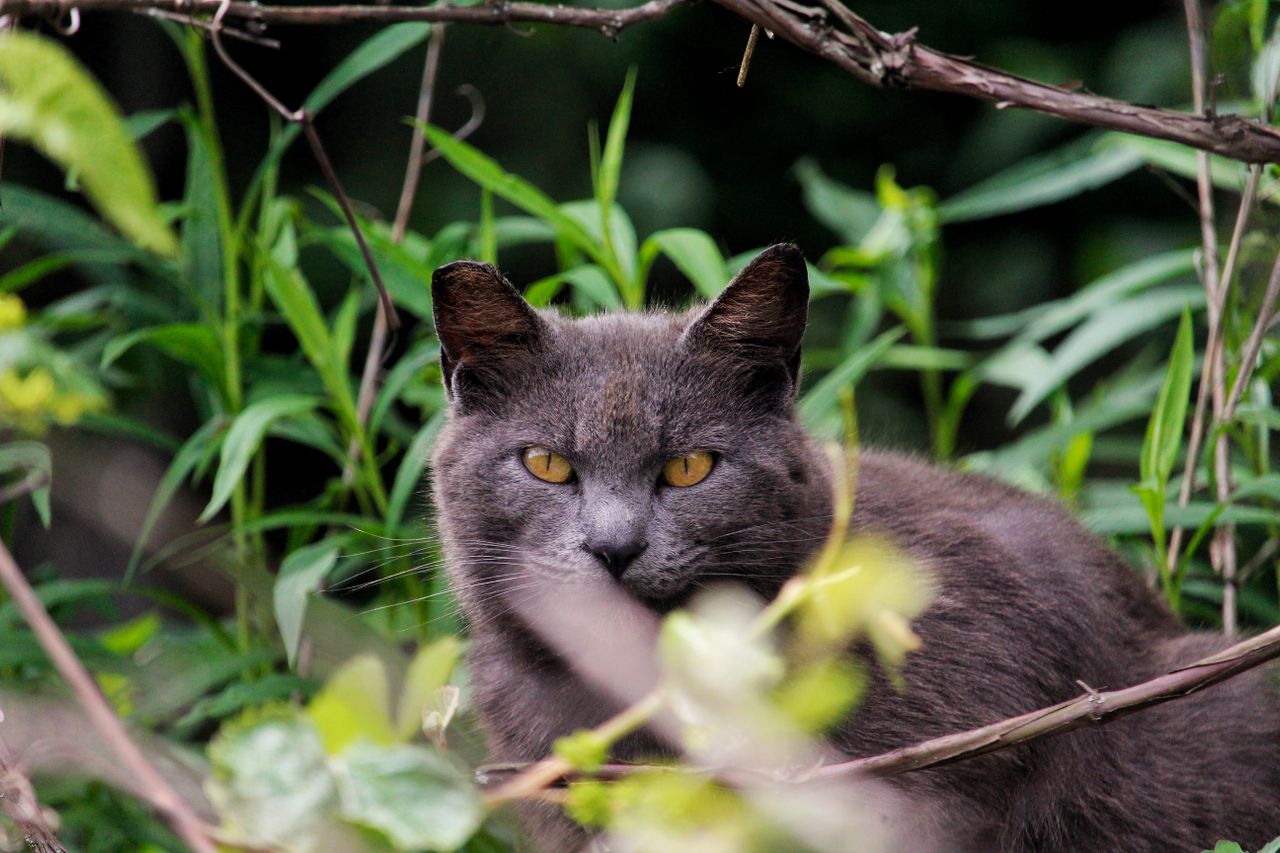
Carlos Driscoll and colleagues traced every domestic cat to the Near Eastern wildcat in a 2007 Science paper, placing the origin in the Fertile Crescent roughly 10,000 years ago. Wildcats in that lineage hunt alone and guard their own ground, which helps explain where the loner label came from.
Domestication never required sociability. Cats moved in beside grain stores and the rodents they attracted, with no one breeding them for company. Social behavior has grown in the gaps, wherever food was dense enough for cats to live near one another.
Free-roaming colonies look a lot like friendships
Simona Cafazzo and Eugenia Natoli spent years watching free-ranging cats in Rome. They documented the tail-up greeting, an upright tail raised on approach that comes before rubbing between cats. Their 2009 paper in Behavioural Processes treated it as a deliberate friendly signal.
Colony cats groomed and rubbed against chosen companions rather than everyone, which produced clear favorites. A cat that lifts its tail at a housemate is saying hello in a language other cats read instantly.
Two-thirds of tested cats bonded to their owners the way toddlers do
Kristyn Vitale of Oregon State University adapted the strange situation test, the standard tool for studying infant attachment, to cats. Her 2019 paper tested 70 kittens and 38 adult cats, and about two-thirds showed secure attachment, the same share seen in human infants.
A secure cat relaxed when its owner returned and went back to exploring. The remaining third split into insecure patterns, so many cats are harder to read.
The attachment claim has a credible challenger
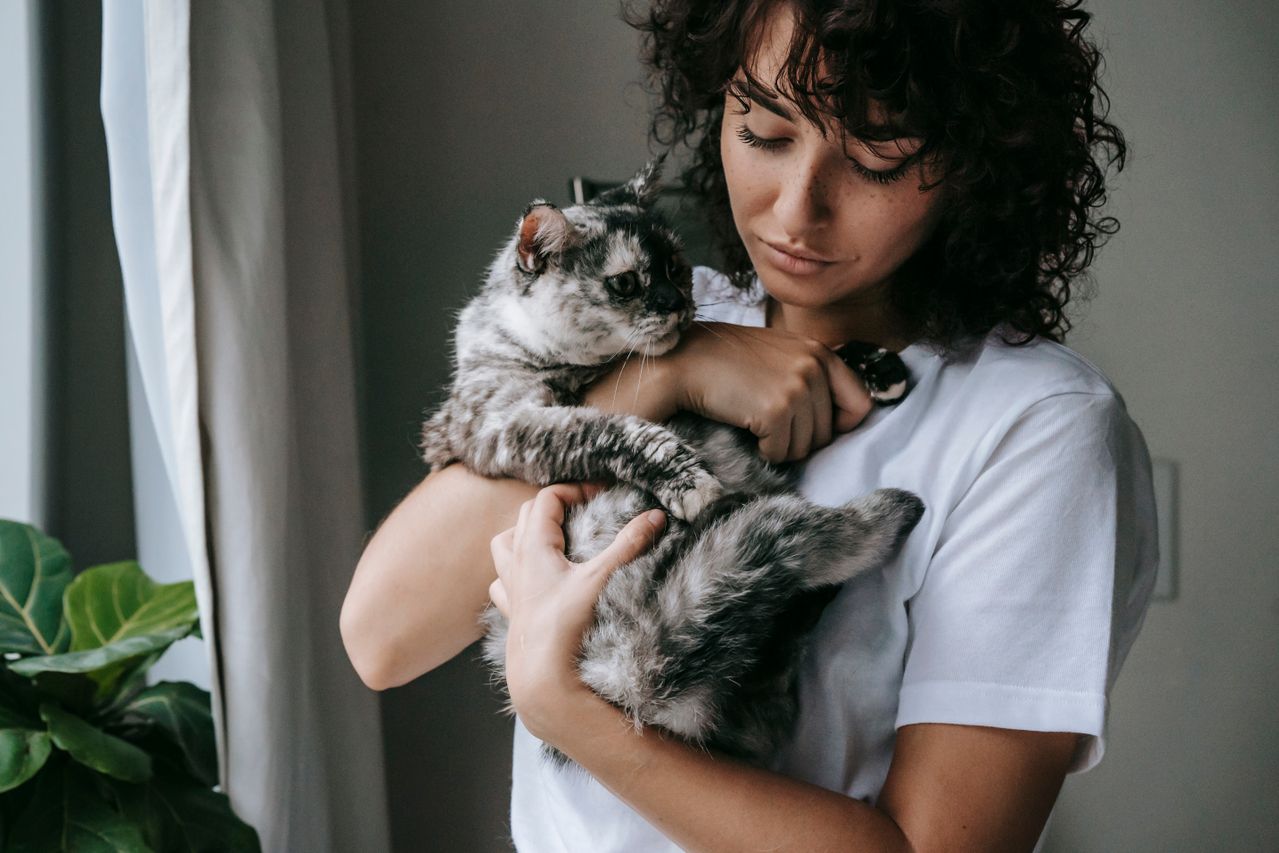
Alexandra Potter and Daniel Mills at the University of Lincoln ran their own version in 2015 and published in PLOS ONE. Their cats did not use the owner as a secure base, the habit that defines dog-infant attachment.
Both findings can stand. A cat may bond with a person without treating that person as a refuge in a strange room. Owners who expect dog-style devotion will keep misreading a quieter signal.
Related Post: 6 Reasons Why Cats Are the Perfect Companions for Seniors
Cats answer to their names and then pretend they did not
Atsuko Saito of Sophia University in Tokyo found in a 2019 study in Scientific Reports that cats distinguish their own names from other words of similar length. The responses were often small, an ear flick or a head turn rather than a trip across the room.
Plenty of owners have written off a cat as deaf to its name after one failed summons. A cat that stays on the couch after being called has usually heard every syllable.
Meowing is mostly a message for people
John Bradshaw of the University of Bristol, author of Cat Sense, has noted that adult cats rarely meow at one another. Kittens use the sound with their mothers, and adults carry it over almost entirely to humans.
A cat yelling for breakfast at 5 a.m. is the opposite of a loner. Each demand is communication aimed at a species it has decided is worth talking to.
Related Post: 9 Pet Myths Science Has Debunked
The slow blink works on cats too
Tasmin Humphrey and Karen McComb of the University of Sussex tested several dozen pet cats across two experiments. Cats were more likely to approach an experimenter’s outstretched hand after the experimenter slow blinked at them.
The cats also returned slow blinks to their owners more readily than to strangers. For anyone hosting a nervous guest cat, a squint and a pause costs nothing and beats reaching for the animal.
Kittens handled early grow up closer to people
Eric Karsh of Temple University ran handling experiments in the early 1980s. Kittens that were gently handled in their first weeks approached people faster and tolerated being held more readily than kittens left alone.
Karsh’s work remains a backbone of how people think about kitten socialization. Some adult cats labeled loners may be cats that nobody introduced to people in time, which makes the label a verdict on humans as much as on the cat.
America built a pet around a myth that suits its schedules
The American Pet Products Association’s 2023-2024 National Pet Owners Survey put pet ownership at 66% of US households, about 86.9 million homes. Cats fill a large share of them, and many sit empty for ten-hour workdays.
The loner label makes that arrangement feel guilt-free. Research on attachment, vocal habits, and social signaling suggests cats pay attention the whole time, and the cat lady jokes aimed at women who notice have long been a way to dismiss that.
Other Posts You May Like
- Why Black Cats Are Lucky in Some Countries and Unlucky in Others
- How Cats Land on Their Feet: The Physics Behind the Feline Righting Reflex
If you like what you just read, then subscribe to our newsletter and follow us on social media.


