The post 10 Things Every Home Had in 1976, the Year America Turned 200 first appeared on Crafting Your Home.
Walk into an average American living room in 1976, and the first thing you’d notice wasn’t the bicentennial bunting; it was the color scheme. The whole country, it seemed, had settled on the same handful of design choices at once. Fifty years later, here’s what filled those homes, backed by the people who track this stuff for a living.
Avocado Green Appliances
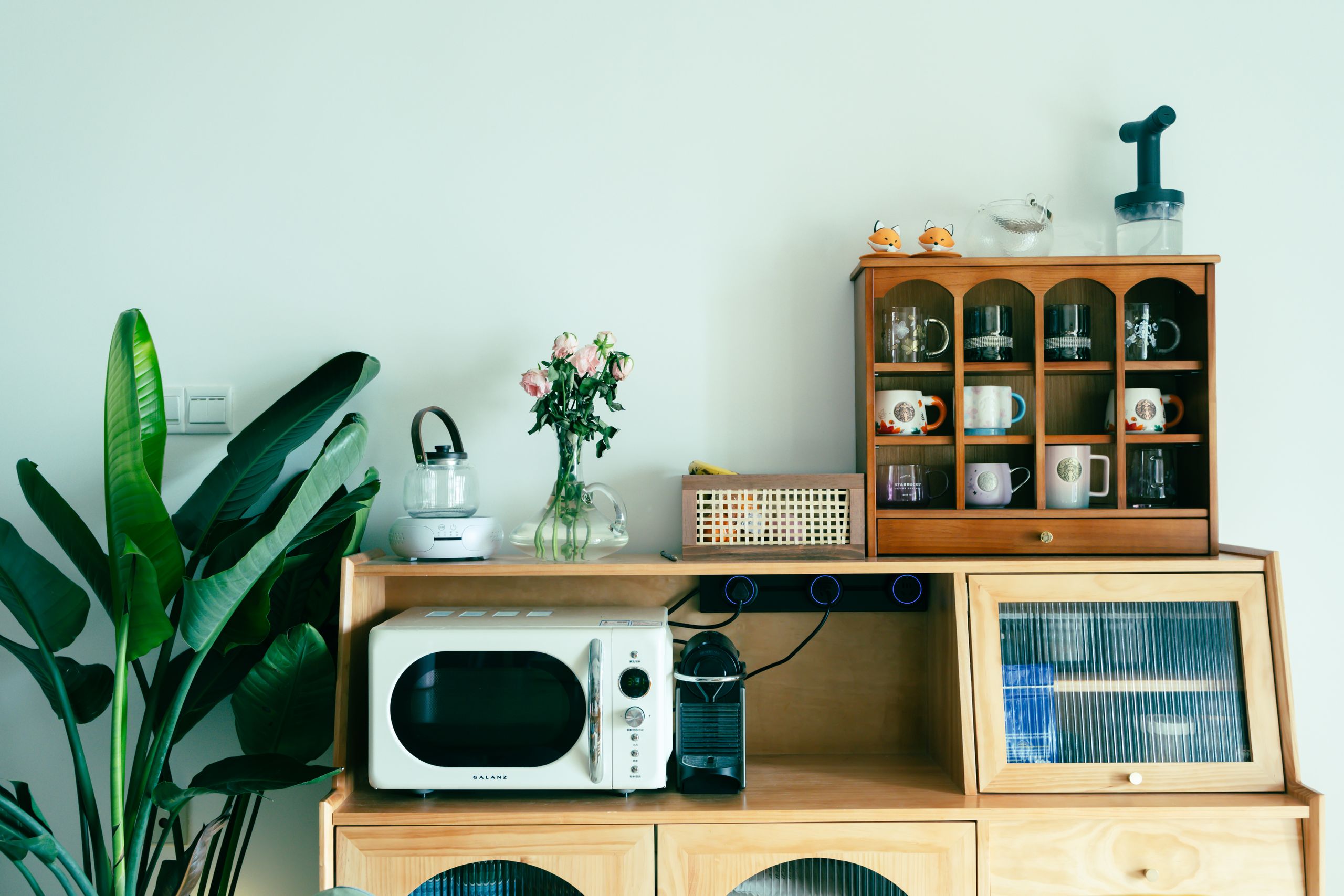
No color defines the decade quite like it. From roughly 1968 to 1982, a muted, deep green named for the fruit that was becoming a mainstream grocery item was effectively the default color for refrigerators, stoves, dishwashers, mixers, and can openers. Writers who’ve cataloged the era call the avocado-and-harvest-gold kitchen the single most common color combination in American homes of the time.
Harvest Gold, Everywhere Else
If avocado ruled the kitchen, harvest gold, a warm, mustard-adjacent yellow, covered nearly everything it didn’t: countertops, bathroom tile, carpet, bedspreads, curtains and towels. The two colors together, often joined by burnt orange, made up the signature ’70s home palette.
Shag Carpeting
Deep-pile shag carpet, in colors ranging from harvest gold to avocado to rust brown, was close to a given in ’70s living rooms and bedrooms. It was common enough that a dedicated shag rake, a wide-toothed tool for grooming the pile, was a real, widely sold household product.
A Rotary Telephone, Rented from the Phone Company
Most households didn’t own their phone outright; they leased it from AT&T and paid a monthly fee. As of 1984, an estimated 55 million phones were still out on lease nationwide. The phone itself was almost always a rotary model, frequently in, unsurprisingly, avocado green or harvest gold, mounted on the kitchen wall with a long-coiled cord.
Related: 5 Essential Things You Should Never Throw Away, According to Pro Organizers
A Console TV and Only a Few Channels to Watch on It
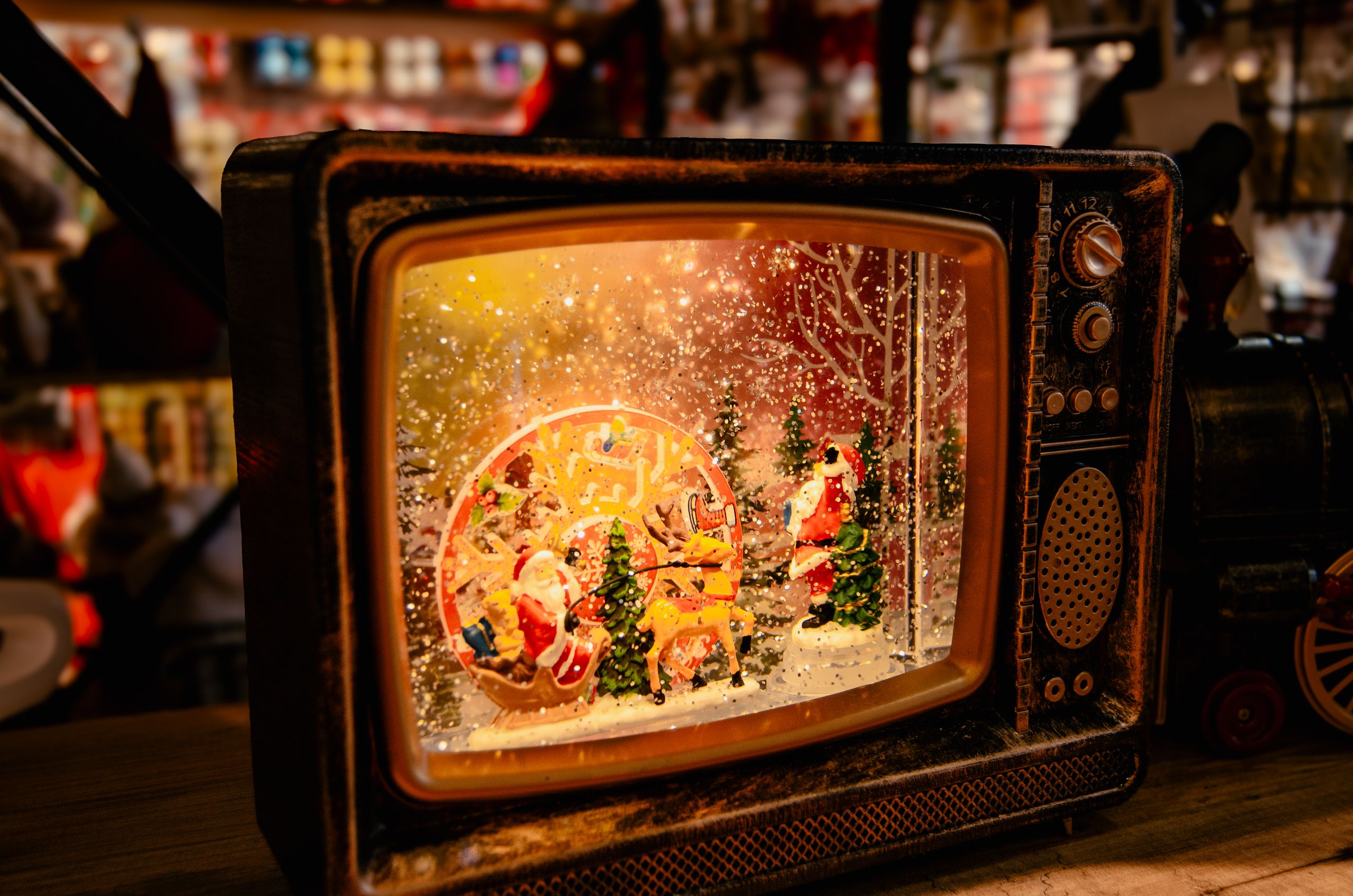
The television wasn’t just an appliance; it was furniture, built into a large wooden cabinet that often doubled as a stereo or 8-track player’s housing. Whatever was playing on it in 1976 was being watched by a huge share of the country at once; the top-rated show that season, “Happy Days,” pulled a 31.5 Nielsen rating, a scale of dominance that’s essentially unreachable in today’s fragmented TV landscape.
An 8-Track Player
Whether built into the console or standing alone, the 8-track tape player was the dominant way households played music outside of a turntable. The format had been developed in 1964 through a partnership that included Ford, RCA, and Lear Jet, and by the mid-1970s it was common in both cars and living rooms, with U.S. sales not peaking until 1978.
Macramé Plant Hangers
Handmade macramé knotted cord worked into wall hangings and, especially, plant holders was one of the decade’s defining decorative crafts. Along with beaded curtains and oil rain lamps, it gave ’70s homes their distinctive handmade-but-curated look.
Related: 6 Kitchen Gadgets You Didn’t Know You Needed
Wood Paneling
Dark wood paneling covered den and basement walls in a huge share of American homes during the decade, often paired with the same shag carpet and earth-tone furniture that defined every other room.
A Bicentennial Quarter in the Change Jar
This one was unavoidable regardless of personal taste. In 1975 and 1976, the U.S. Mint issued special bicentennial-dated quarters, half dollars, and dollar coins featuring a colonial drummer on the quarter that circulated as ordinary currency alongside the standard Washington design. They turned up in pocket change, junk drawers, and kids’ piggy banks nationwide simply because they were legal tender, not collectibles people sought out.
Red, White and Blue Bicentennial Decor
Beyond the coins, the bicentennial’s official stylized star logo and patriotic color scheme showed up on flags, stamps, dishware, glassware, and all manner of household decor throughout 1976. The U.S. Postal Service alone issued an extensive run of bicentennial-themed stamps that year, including a 50-stamp state flags series, and CBS ran nightly “Bicentennial Minutes” segments on TV leading up to the July 4th celebration, making the 200th-anniversary branding a genuine fixture of daily life, not just a holiday decoration.
Other Posts You Might Like
- The Decluttering Method That’s Finally Winning Against Overcrowded Homes and It Only Takes a Weekend
-
What Is ‘Swedish Death Cleaning’? The Gentle Decluttering Method Explained
-
The ‘One-In, One-Out’ Rule and 7 Other Old-Fashioned Tidying Rules That Still Work
If you like what you just read, then subscribe to our newsletter and follow us on social media.