You are likely a dog magnet if you possess these 7 unique qualities

Ever walked into a room and had the resident dog instantly abandon their owner to sit on your feet? If you have, you probably brushed it off as luck or maybe just the bacon grease lingering on your fingers from breakfast. But science says otherwise. In a country where 94 million households owned a pet as of 2025, a massive leap from 82 million just two years earlier, understanding canine attraction is practically a survival skill.
With Gen Z driving a 43.5% surge in ownership and championing “gentle parenting” for pets, we now know that dogs aren’t just reacting to treats; they are analyzing your personality, your competence, and even your biochemistry. Researchers have moved way beyond the old “pack leader” myths. Today’s data suggests that being a “dog magnet” isn’t magic; it’s a specific set of prosocial and physiological traits that signal safety to a canine brain.
Ready to see if you make the cut? Let’s break down the seven qualities that likely make you irresistible to every pup you meet.
You pass the “social eavesdropping” test

You might think dogs only care about who feeds them, but they actually judge how you treat other humans. Researchers at Kyoto University call this “social eavesdropping,” and it’s wild. In experiments where dogs watched an owner struggle to open a jar, they observed a stranger either help the owner or refuse to help. Later, the dogs consistently snubbed the unhelpful person.
If you are the type of person who holds the door for strangers or helps a friend move a couch, you broadcast a “cooperative” signal that dogs pick up on immediately. Basically, if you’re a jerk to the waiter, the dog at the next table knows it. Being a “helper” makes you a safe bet in their eyes, while being uncooperative triggers a “negativity bias” that sends them running.
You smell like a zen garden
Dogs don’t just see your stress; they smell it. A study published in PLOS ONE confirmed that dogs can detect the scent of cortisol and adrenaline in human sweat and breath with terrifying accuracy. If you are a naturally anxious person, you unfortunately smell like a walking siren to a dog.
This explains the “cat person” paradox, you know, when the dog ignores the desperate dog lover and cuddles up to the aloof person reading a book. That “cat person” usually sits still, avoids direct eye contact (which dogs find threatening), and emits a calm, low-arousal scent. If you possess the ability to regulate your own emotions and stay chill in chaos, you create a chemical “safe zone” that dogs crave.
You aren’t afraid to use “baby talk.”
Real talk: Do you pitch your voice up an octave when you see a puppy? Don’t be embarrassed; you’re actually hacking their brain. Neuroscientists found that “Dog-Directed Speech”, that high-pitched, sing-song voice, specifically activates the canine auditory cortex.
It’s not just about acting cute; it’s about acoustic biology. Male or female, if you drop your guard and use pitch variability (think: “Who’s a GOOD boy?!”), You signal non-aggression and engagement. People who insist on speaking in a low, monotone “command voice” often fail to capture a dog’s attention because they sound like a growl. If you can’t look silly, you can’t be a magnet.
You are legitimately competent
Dogs are pragmatists who want to be on the winning team. A study conducted by researchers at Kyoto University in Japan comparing “competent” and “incompetent” actors found that female dogs, in particular, spend more time looking at humans who successfully complete tasks, such as opening a food container.
If you fumble with the leash, drop the keys, or act confused, dogs notice. They prefer efficiency because, evolutionarily speaking, a competent human partner meant better survival odds. So, if you move with purpose and handle physical tasks smoothly, you naturally command respect without saying a word.
You ask for permission before touching
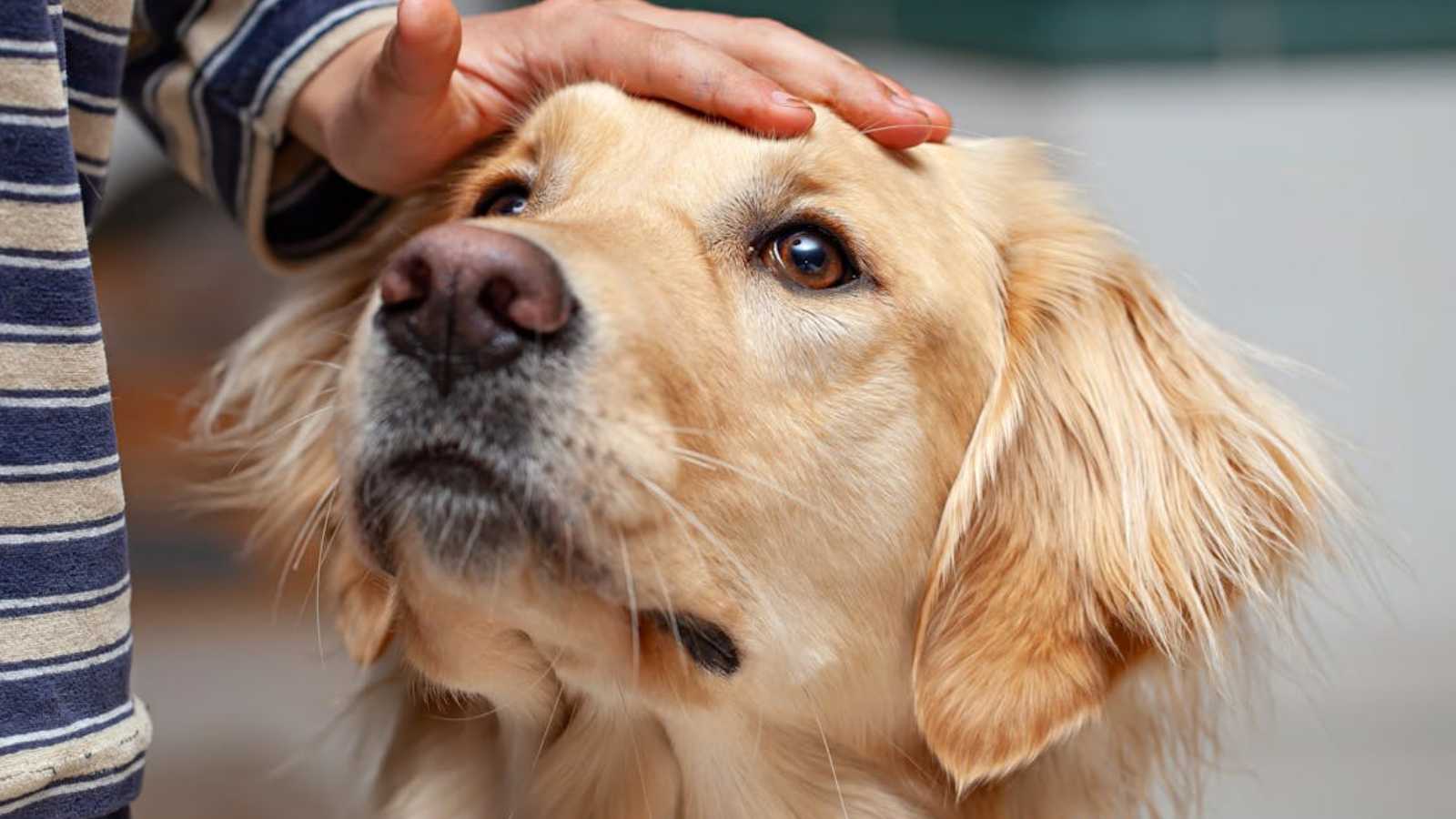
In 2025, consent isn’t just for humans. Expert behaviorist Grisha Stewart popularized the “5-Second Rule” for petting: pet for five seconds, then stop and wait. If the dog leans in, you continue; if they freeze or look away, you stop.
Dog magnets intuitively respect these boundaries. They don’t just grab a dog’s face and start smooching. By giving the dog the choice to opt in or opt out, you instantly build massive trust equity. You become the rare human who actually listens, and that makes you the most popular person in the room.
You are predictably consistent

Trust is just a fancy word for predictability. ResearchGate studies show that when a person points to a container with no food inside, dogs quickly stop following that person’s cues. They stop trusting the “liar.”
If you are a dog magnet, you likely say what you mean and do what you say. You don’t tease them with a ball you never throw. You don’t call them over for a cuddle, then toss them into the bath. This consistency lowers their cognitive load; they don’t have to stress about what you might do next because you are reliable.
You catch their yawns
Ever yawn just because your dog did? That’s a good sign. Contagious yawning is a primary marker of empathy in mammals, and studies show a link between this mimicry and the emotional bond between human and dog.
If you possess high empathy, you likely mirror your dog’s emotional state without even trying. You feel their anxiety, their excitement, and their fatigue. This physiological synchronization creates a feedback loop of attachment that is hard to break.
Key Takeaway

Being a dog magnet isn’t about having bacon in your pocket (though it helps). It’s about projecting safety through kindness, calmness, and competence. By respecting their boundaries and keeping your promises, you speak a language deeper than words. So next time a strange dog picks you out of a crowd, take it as a compliment; science says you’re officially a good human.
Read the Original Article on Crafting Your Home.