
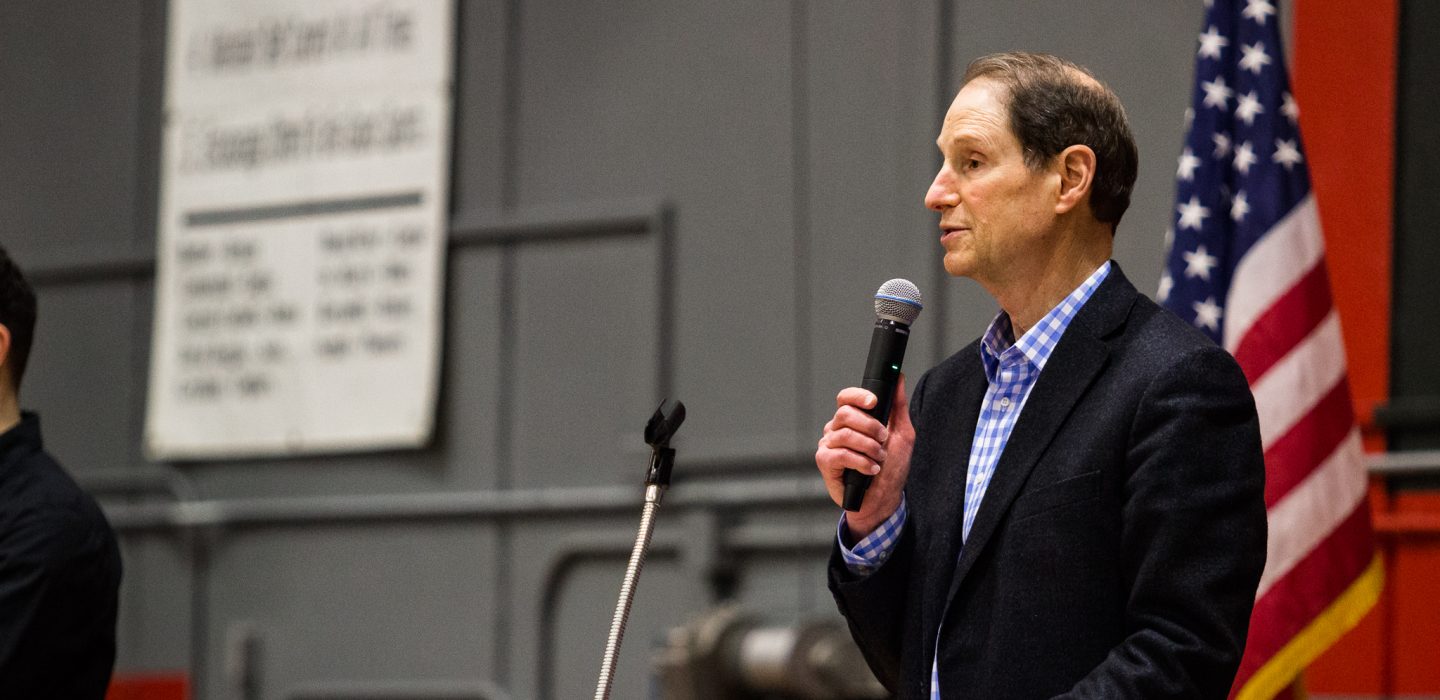

The Department of Health and Human Services is denying a warning from Sen. Ron Wyden that the Trump administration may be preparing to remove hundreds of unaccompanied migrant children from federal custody through a fast-track process.
Wyden Claims Children Were Identified for Removal
Wyden said he had “credible information” that HHS was using a list involving more than 500 children as potential targets for expedited removal. He said the process could move quickly and bypass protections normally available to children in immigration proceedings.
The senator said the children had been in federal custody for at least 180 days. Many were placed in long-term foster care and classified as children without a viable sponsor in the United States.
HHS Says No Removal Plan Exists
HHS rejected the allegation and said the administration is not targeting the children for deportation. A department spokesperson said there are no plans to target the group described by Wyden. The department said its priority is to identify parents or legal guardians and place children with properly vetted sponsors. That position places sponsor screening at the center of the dispute.
ORR Holds Children After Border Transfer

Unaccompanied children are usually transferred to ORR after federal immigration authorities encounter them at the border. ORR operates inside HHS and oversees shelter care, case management, family tracing, and sponsor placement.
The program serves children who lack lawful immigration status and have no parent or legal guardian available in the United States. Federal officials must provide temporary care while a child’s immigration case moves forward.
Sponsor Vetting Drives the Policy Fight
Sponsor vetting is a major part of the current conflict. HHS says children should not be released to adults who have not been properly screened. Federal watchdog findings have shown why that concern exists. A 2024 review found that sponsor safety checks lacked documentation in some case files and that some follow-up records were incomplete.
Immigrant advocates have also warned that stricter vetting can keep children in custody longer. Relatives without legal status may avoid the sponsor process if they fear immigration enforcement.
Federal Law Gives Children Specific Protections
Federal law generally requires that eligible children be placed in the least restrictive setting possible while their cases proceed. That often means release to a safe sponsor rather than extended custody.
A 2025 Guatemala Case Adds Pressure
The administration said that the effort involved reunification with parents or guardians. Attorneys for some children disputed that explanation and said legal protections still applied.
Children May Come From Several Countries
The children described by Wyden have been in ORR care for at least six months. That detail matters because long-term custody can affect a child’s legal case, education, mental health, and placement options.
Federal Oversight Has Already Flagged ORR Risks
That review said that missed monitoring posed risks because staff may have accessed children before providers had verified the required background checks. It found ORR conducted 176 of 256 required visits during the reviewed period.
Congress Seeks a Clear HHS Response
The Senate Finance Committee has jurisdiction over ORR, giving Wyden a formal oversight role. His June 25 letter follows earlier inquiries into the administration’s handling of unaccompanied children and possible detention plans.
The next development may come through a written HHS response, additional congressional oversight, or emergency court filings if any children are moved toward removal. For now, the dispute remains a direct clash between a senator’s warning and an agency denial over children already in federal care.


