Worst Mistakes You Can Make in Survival Situations
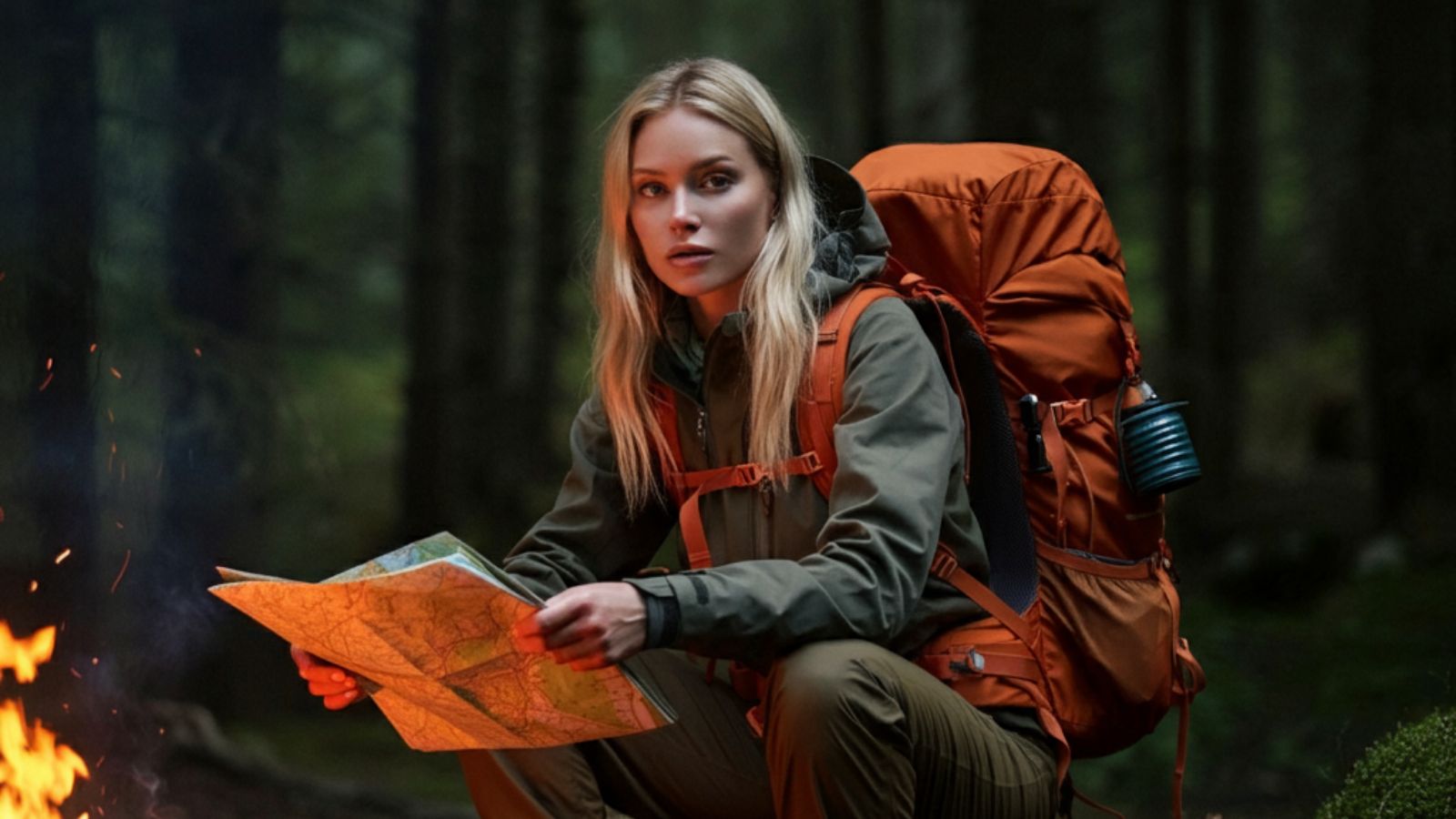
Photo Credit: bbernard/Shutterstock
Survival situations can quickly escalate from minor inconveniences to life-threatening challenges. When faced with an emergency, every decision you make could be the difference between life and death. While the instinct to act quickly is often necessary, it’s critical to understand the most dangerous mistakes people make in survival situations.
These errors, often made in the heat of the moment, can drastically reduce your chances of survival. In this article, I’ll walk you through the 5 worst survival mistakes you can make and how to avoid them.
Underestimating the Risk
One of the most common mistakes in survival scenarios is underestimating the risks involved. It’s easy to think, “I’ve been on this trail a hundred times,” or “I’ve read about this, so I know what to do.” However, no matter how familiar or safe a situation feels, nature has a way of throwing unexpected challenges your way.
The reality is that survival situations rarely go according to plan. Whether you’re hiking through the woods, venturing into a remote area, or even navigating through an urban setting, there are countless variables you can’t control. A seemingly innocent hike could quickly turn into a nightmare if you get injured, lost, or encounter a dangerous animal.
Why does this happen? People often fail to plan for the worst-case scenarios. They make the fatal mistake of assuming everything will go as expected, and as a result, they don’t prepare adequately. The most effective way to avoid this mistake is to prepare for every potential risk.
Always carry essential survival gear, such as a first-aid kit, a map, and extra food and water. Be sure to study your route, and if you’re venturing into unknown territory, make sure someone knows your plan and expected return time.
Drinking Unclean Water

Water is a survival necessity, and in desperate circumstances, it’s tempting to drink any water source you come across. However, drinking unclean or contaminated water can have disastrous consequences. Waterborne diseases, bacteria, and parasites can cause severe illness or even death if consumed.
Even if the water looks clear or fresh, there could be harmful contaminants lurking beneath the surface. Always purify your water before drinking it. This can be done through filtration, boiling, or using water purification tablets. In extreme situations, you can even purify water by boiling it over a fire or by using a solar still if you’re in a remote location.
Remember: never risk drinking water that hasn’t been properly filtered or boiled. Even snow or rainwater, though seemingly clean, can carry unseen pathogens.
Ignoring the Signs of Being Lost

One of the most dangerous mistakes to make in a survival situation is failing to recognize when you’re lost. It’s easy to become disoriented, especially in unfamiliar terrain or after a long period of hiking or navigating. When this happens, many people make the mistake of continuing to walk or explore, hoping they’ll stumble upon a familiar landmark or path.
This is a grave error: If you don’t know where you are, the best thing to do is stop. The more you move without direction, the farther you may get from safety, making it harder for rescuers to find you. In some cases, continuing to move could even place you in greater danger, as you may inadvertently head in the wrong direction or wander into hazardous terrain.
Instead, stop as soon as you realize you’re lost. Find an open area, build a fire (if possible), and signal for help. Keep in mind that staying in one place increases the chances of rescuers finding you, so always have a signaling device such as a whistle, mirror, or flare with you.
Surviving a Falling Elevator

One of the most well-known survival myths is the belief that you can survive a falling elevator by jumping at the last moment. This is an absolute fallacy. Jumping will not soften the impact and can increase your chances of injury or death.
Instead of jumping, you should lie flat in the elevator, spread your weight evenly, and protect your head and neck. This will increase your chances of survival more than trying to jump. While there are no guarantees, this strategy can make a significant difference in the outcome of the fall.
Sheltering Under a Bridge During a Tornado
In the event of a tornado warning, one of the most dangerous mistakes is trying to seek shelter under an overpass or bridge. It may seem like a good idea to take refuge under the structure, but it creates a dangerous wind tunnel effect. The tornado’s winds can funnel under the bridge, increasing the velocity of flying debris and the likelihood of injury or death.
Instead, always seek solid shelter when you receive a tornado warning. If you’re driving, find a sturdy building or ditch to lie in (covering your head with your arms for protection). If you’re at home, move to the basement or an interior room without windows. The key is to get to the safest, most secure place as quickly as possible.
Conclusion
In survival situations, the decisions you make can have life-altering consequences. While it’s easy to make mistakes under pressure, being aware of the most common survival blunders and preparing ahead of time can greatly increase your chances of survival.
Always think critically, stay calm, and act thoughtfully in emergencies. With the right knowledge and mindset, you can navigate even the most perilous situations with confidence.