Why Women Stay in Toxic Relationships Longer Than They Should

It’s a harsh reality that many women remain trapped in toxic relationships far beyond the point where they should have walked away.
The psychological and emotional glue that keeps them stuck can often be invisible to the outside world, and sometimes even to themselves. These forces, fear, comfort, insecurity, and societal expectations, keep women tethered to unhealthy relationships.
However, understanding these patterns and acknowledging the reasons behind them can empower women to break free from toxic cycles and reclaim their happiness.
Hoping He Will Change
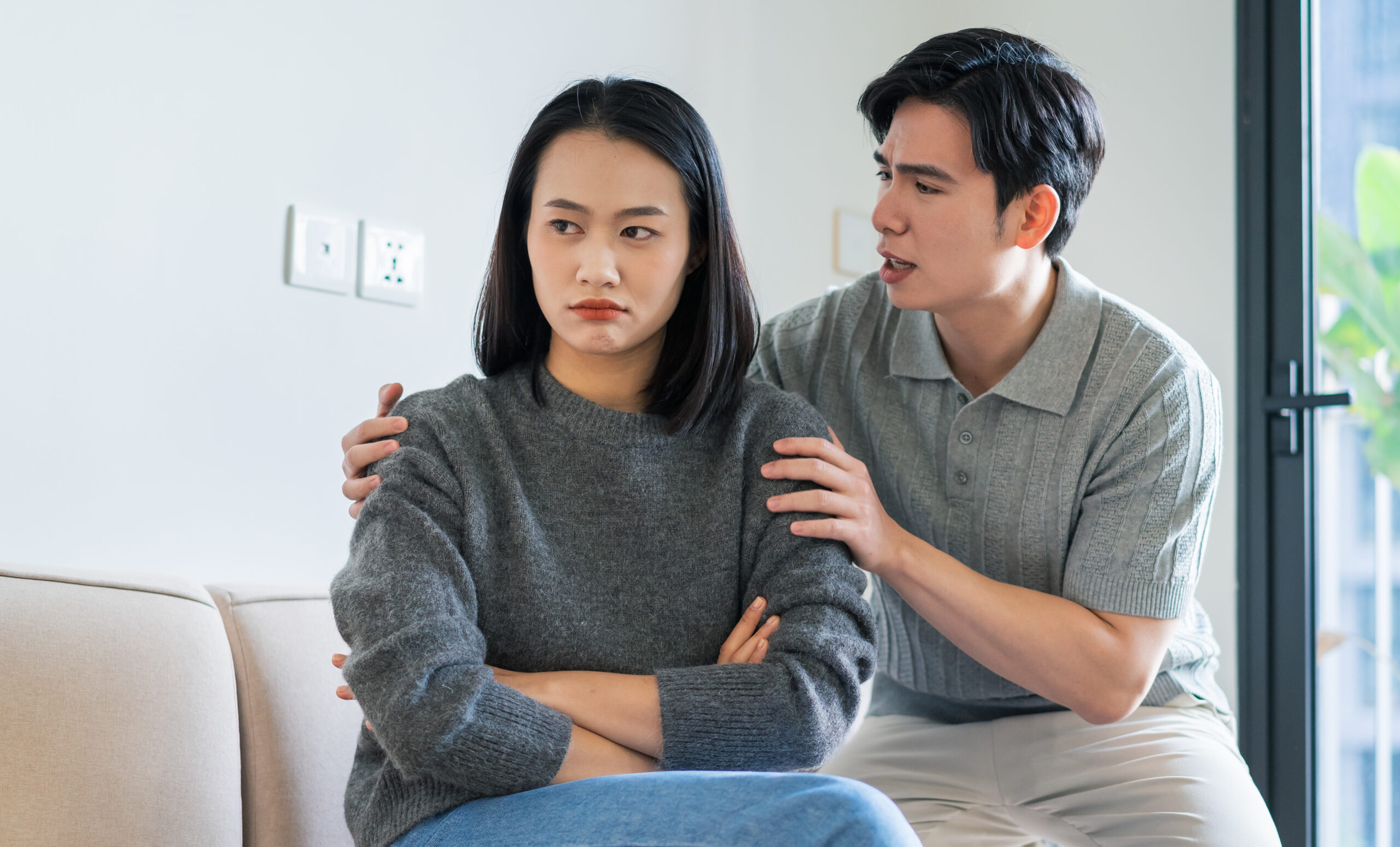
Many women stay because they are in love with the potential of their partner, not the person they are right now. It’s easy to fall into the trap of believing that if they just try harder or show more love, their partner will change. This hope, though, is often unrealistic.
The rare moments of kindness or affection can cloud judgment, and the painful reality is that people rarely change unless they are committed to doing so. Women may find themselves waiting for someone to become who they want them to be, which delays the inevitable, leaving a toxic relationship.
Key Insight:
Cripplingly Low Self-Esteem
Low self-esteem is a significant barrier that keeps many women in unhealthy relationships. Women with poor self-worth often feel they don’t deserve better, and so they settle for mistreatment. They may perceive their partner as “better” than they are, thereby undervaluing themselves and their needs.
Research shows that individuals with low self-esteem are more likely to stay in relationships that don’t meet their emotional needs, believing they can’t do better.
Building self-worth and learning to recognize one’s value is essential for breaking free from toxic patterns. Therapy, self-reflection, and supportive communities can help rebuild a sense of self-love and confidence.
Protecting the Children

One of the most common reasons women stay in toxic relationships is the belief that keeping the family together is better for the children. While the intention is often rooted in love and care for their kids.
Studies show that children in high-conflict households often suffer more lasting emotional damage than those who experience a separation. The misconception that staying together “for the kids” is the best choice can trap women in unhealthy dynamics, creating a cycle of conflict that can lead to long-term emotional harm for all parties involved.
Key Insight:
Financial Dependence
Financial dependency often keeps women tied to unhealthy relationships, especially when they have limited access to resources or lack financial independence. Without the ability to support themselves, they fear the consequences of leaving, be it financial instability, the loss of a lifestyle, or the uncertainty of navigating life on their own.
The stress of being financially dependent on a partner can create a false sense of security, leading to prolonged suffering and staying in the relationship out of fear of change.
Key Insight:
Gaining financial independence, whether through education, career development, or saving, is crucial for women who want to take control of their lives. The freedom to make choices independent of financial fear opens the door to healthier relationships or life choices.
Fear of Being Alone
The fear of being alone is often paralyzing, especially after years in a relationship. Starting over can feel overwhelming and lonely. The idea of facing life without a partner, especially when a woman has been accustomed to companionship, can trigger anxiety and fear.
Many women stay in bad relationships because the thought of being alone is more terrifying than enduring an unhealthy dynamic.
Key Insight:
Embracing solitude as a time for self-discovery and personal growth is essential. Being alone can become a period of healing and empowerment, leading to greater fulfillment in the future.
Mistaking Control for Love
Some women mistakenly believe that a partner’s controlling behavior is a sign of love. This is often fueled by misguided cultural narratives and cinematic portrayals of passionate love.
Controlling partners may exhibit jealousy, dictate behavior, and monitor their partner’s activities in the name of love. However, these behaviors are often rooted in insecurity and the need for dominance, not care. This toxic dynamic can erode a woman’s sense of self and lead her to tolerate mistreatment.
Key Insight:
Recognizing the difference between love and control is crucial. True love is about mutual respect, not domination. Understanding the signs of manipulation can help women break free from toxic relationships.
Conclusion
Women stay in toxic relationships for many reasons, fear, emotional dependence, societal pressures, and a lack of financial independence. However, understanding the psychological forces that keep women tethered to unhealthy relationships can provide the clarity needed to break free.
By focusing on personal growth, self-worth, and emotional independence, women can reclaim their power and move towards healthier, more fulfilling relationships. The path to freedom requires courage, self-compassion, and the willingness to choose personal happiness over societal expectations.
Read the original article on crafting your home