Why experts say you must replace these 5 items every decade
You know that nagging suspicion that everything in your house breaks the moment the warranty expires? Well, you aren’t entirely wrong, but sometimes keeping old stuff costs you way more than just money; it costs you your safety. We’ve all been there, staring at a rusty appliance and thinking, “It still turns on, so we’re good, right?” But recent trends suggest otherwise.
According to the 2026 Hippo Housepower Report, 18% of homeowners now fail to budget for maintenance at all, double the rate from just a year earlier, while 30% report significant, unexpected home-related issues that have wrecked their financial stability.
You don’t want to be part of that statistic. Experts agree that swapping out these five specific items every ten years isn’t just about having shiny new toys; it’s about protecting your health, your wallet, and your life.
Your mattress is heavier than you think
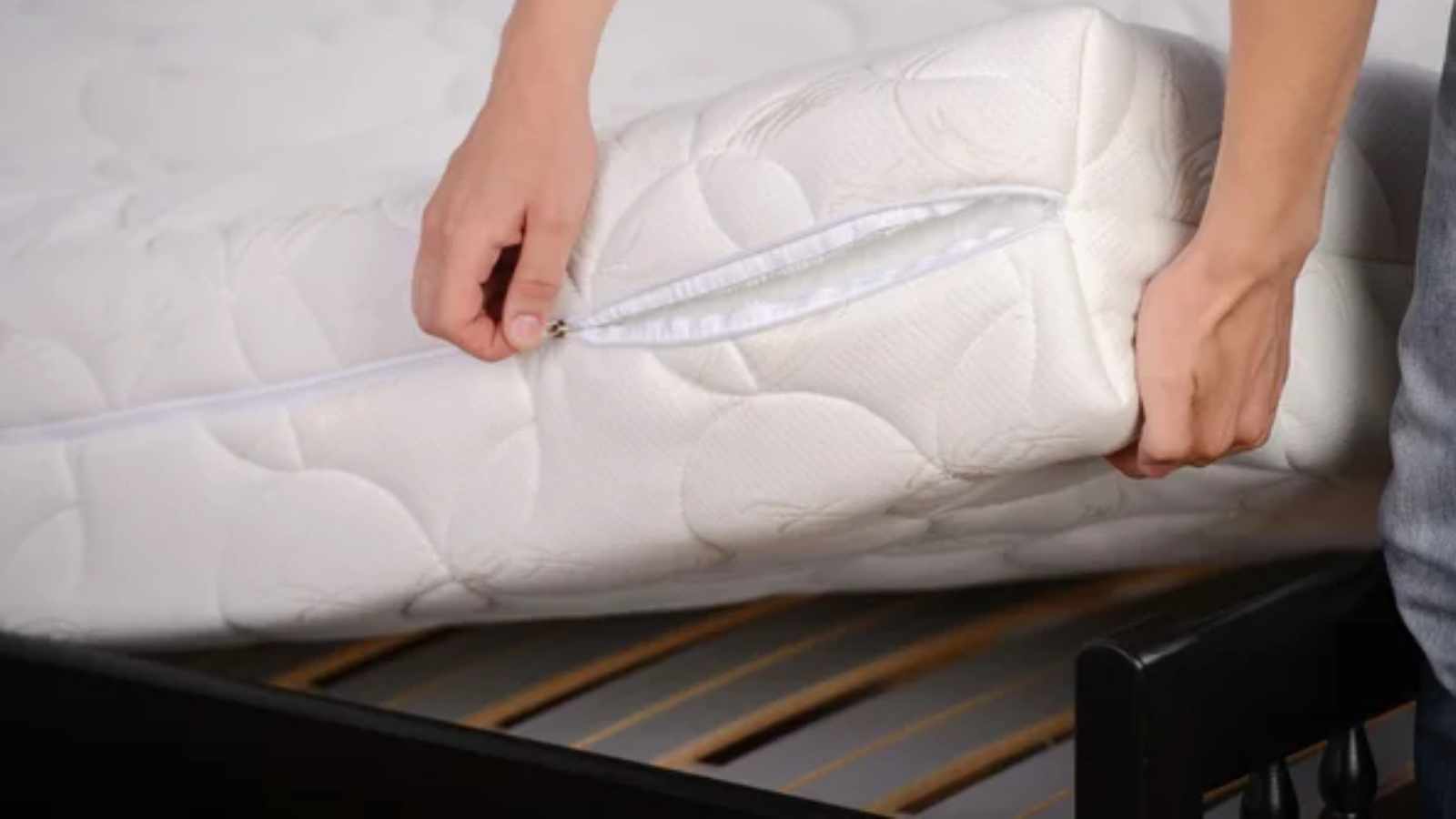
Do you really want to know who, or what, you’re sleeping with? Lauren Fountain, a Certified Sleep Science Coach, warns that while we grow accustomed to our beds, materials degrade significantly between the 7 and 10-year marks, destroying our sleep quality. But the gross factor wins the argument here.
While the internet rumor that a mattress “doubles in weight” is a myth, the reality is still nasty enough to ruin your lunch. A claim is always made that your mattress collects up to 10 pounds of dead skin over a decade. This organic buffet feeds millions of dust mites, which then leave behind waste that triggers allergies and asthma. If you wake up stuffy every morning, your bed might literally be making you sick. If you sleep better at a hotel than at home, you need to kick that old mattress to the curb immediately.
Smoke alarms go blind
We often assume that if we press the “test” button and it beeps, we’re safe. Sadly, that’s dead wrong. The test button only checks the battery and the siren, not the sensor’s ability to smell smoke. The National Fire Protection Association (NFPA) explicitly states you must replace all smoke alarms every 10 years because the sensors physically degrade.
The statistics paint a terrifying picture. Data shows that 97% of smoke alarms work perfectly at one year old, but reliability drops to 73% by the ten-year mark. Would you board a plane with a 27% chance of engine failure? Probably not. With three out of five home fire deaths occurring in properties with non-working alarms, you shouldn’t gamble here. Check the date on the back of your unit today.
The fire extinguisher is a brick

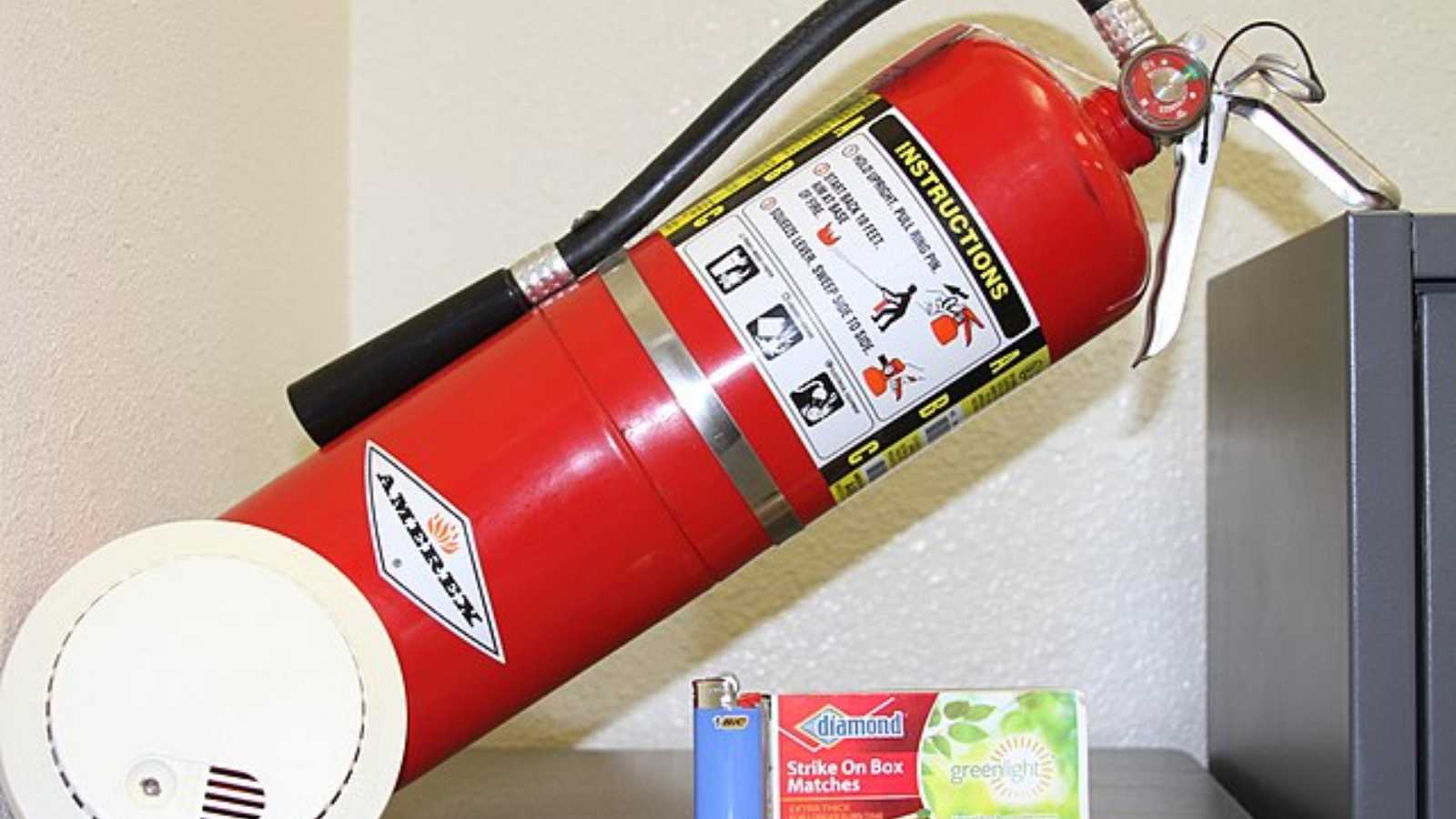
Speaking of fire safety, when did you last check that dusty red canister under your kitchen sink? Experts at the NFPA advise that disposable fire extinguishers have a maximum lifespan of 10 to 12 years. Over time, the chemical powder inside settles and compacts into a solid “brick” due to gravity and humidity.
When you pull the pin on an expired unit, you might just get a puff of gas while the fire-suppressing powder stays stuck inside the can. Data indicates that failure rates for older units can jump significantly, and relying on a clogged extinguisher during a grease fire is a recipe for disaster. Shake your extinguisher monthly to keep the powder loose, but if it hits the decade mark, toss it.
Your water heater is a basement time bomb
I learned this one the hard way: water heaters rarely fail gracefully; they usually fail catastrophically. Most standard tank water heaters live for 8 to 12 years before rust eats through the steel tank. Insurance companies know this, which is why many carriers now deny water damage claims for units older than 10 years.
Considering the average water damage claim hits around $12,514, trying to squeeze a few extra years out of a $1,500 appliance makes zero financial sense. Sediment builds up at the bottom of the tank over the decade, baking the metal and killing efficiency. If your heater rumbles like a freight train or you see rust on the bottom, you are living on borrowed time.
The dishwasher wastes water (and your time)

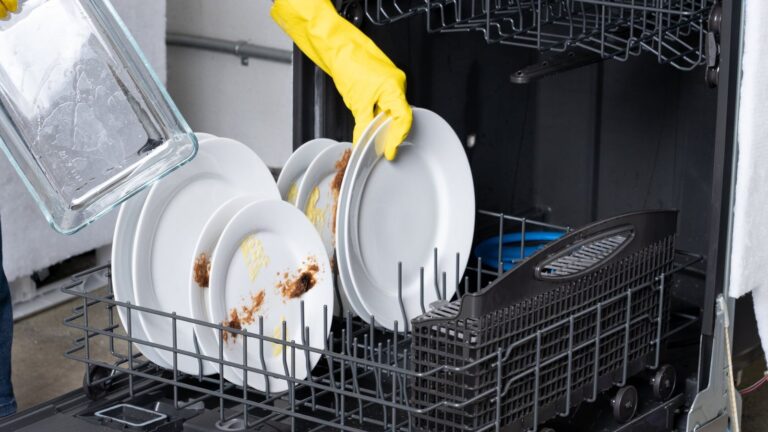
You might think keeping an old dishwasher saves money, but modern units are light-years ahead in efficiency. A new ENERGY STAR-certified dishwasher saves roughly 3,870 gallons of water over its lifetime compared to older models. That’s enough to fill a small swimming pool!
Old machines blindly wash for hours, but new tech uses soil sensors to adjust the cycle in real-time, getting dishes cleaner with less water. The best part is that experts now say you shouldn’t pre-rinse dishes with modern units because the enzymes in the detergent need dirt to work. So, a new dishwasher saves you water and the hassle of scrubbing.
Key takeaway

Don’t let “if it ain’t broke, don’t fix it” become your motto for these critical items. The data proves that proactive replacement every decade saves you money and keeps you safe. Go check those manufacturing dates right now; you’ll sleep better on that new mattress, knowing your home won’t flood or burn down.
Read the Original Article on Crafting Your Home.