Why Catholics Aren’t Regarded as Christians
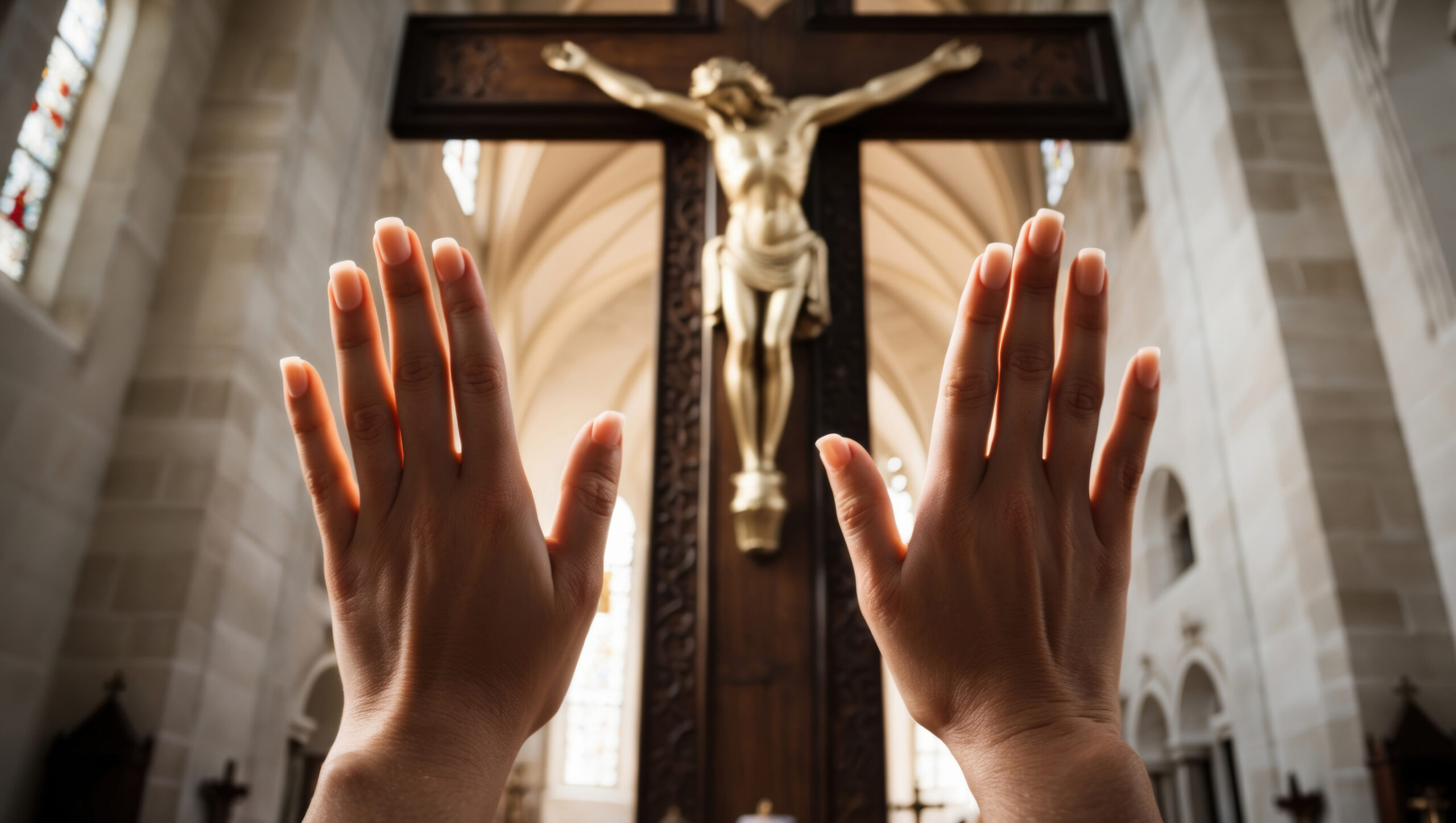
The claim that Catholics are not Christians appears frequently in religious discussions, particularly in some Protestant and evangelical circles. This view is not held by historians, theologians, or mainstream Christian institutions, yet it persists due to doctrinal disagreements and differing definitions of what it means to be “Christian.”
Understanding this debate requires separating theological disagreement from historical and definitional reality.
Defining “Christian”: Why the Meaning Matters
At its most basic level, a Christian is someone who professes belief in Jesus Christ as the Son of God and Savior. This definition is rooted in the earliest centuries of Christianity and formalized in creeds such as the Nicene Creed (AD 325/381), which affirms belief in the Trinity, the incarnation, crucifixion, resurrection, and salvation through Christ.
Catholicism fully affirms every element of this creed, which is accepted across Catholic, Orthodox, and most Protestant traditions. According to the Oxford Dictionary of the Christian Church and mainstream academic scholarship, acceptance of the Nicene Creed is the historical benchmark of Christian orthodoxy.
The disagreement, therefore, is not about whether Catholics believe in Christ, but about how Christian faith should be defined and practiced.
Core Christian Beliefs Catholics Affirm
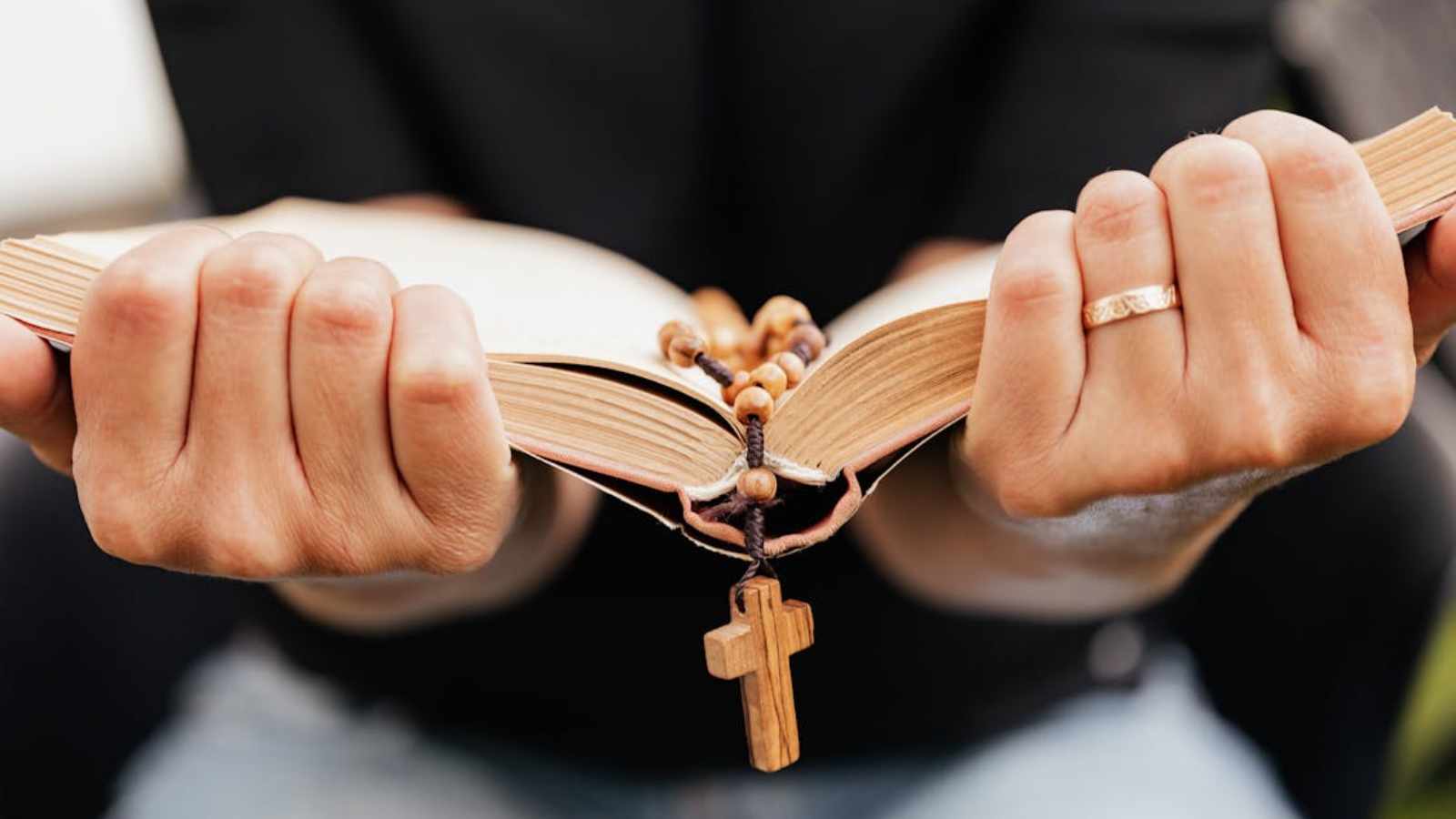
The Catholic Church teaches that:
- Jesus Christ is fully divine and fully human
- God exists as the Trinity: Father, Son, and Holy Spirit
- Christ died for humanity’s sins and rose bodily from the dead
- Salvation is made possible through Jesus Christ
These doctrines are codified in the Catechism of the Catholic Church and are directly derived from Scripture and early church teachings. No major academic or historical source disputes that these beliefs are Christian in nature.
Where the Disagreement Begins: Salvation and Authority
The primary reason some groups argue Catholics are not Christian lies in differences over salvation and authority, not over Jesus himself.
Many Protestants adhere to sola fide (salvation by faith alone) and sola scriptura (Scripture alone as authority), principles that emerged during the 16th-century Protestant Reformation. Catholic theology, by contrast, teaches that salvation involves God’s grace received through faith, expressed through obedience and participation in the sacraments.
Importantly, the Joint Declaration on the Doctrine of Justification (1999), signed by the Catholic Church and the Lutheran World Federation, states that both sides now agree that salvation is entirely dependent on God’s grace, demonstrating that historical disagreements have often been overstated.
Scripture and Tradition
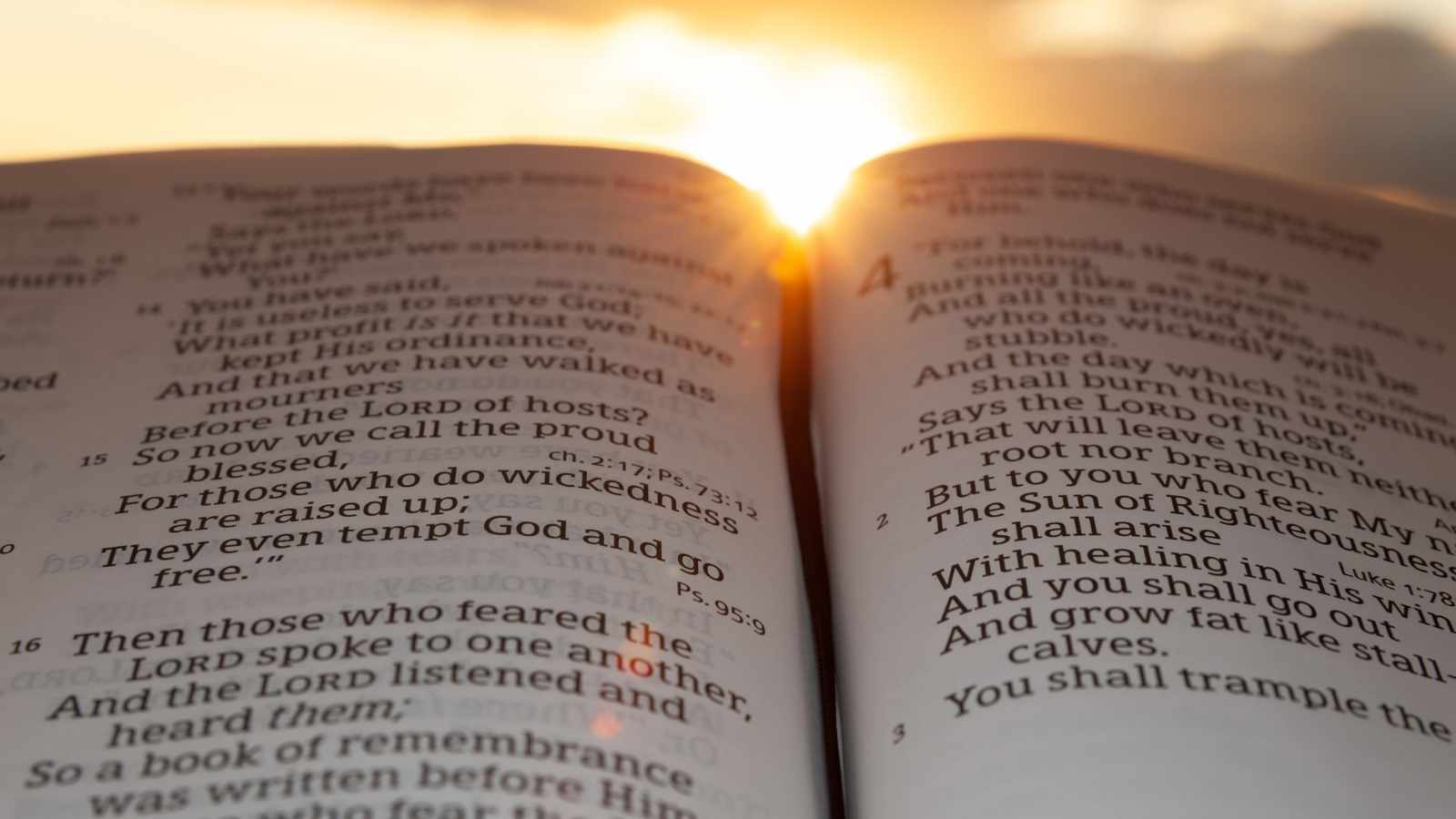
A frequent claim is that Catholics “add to the Bible.” In reality, Catholic theology holds that Sacred Scripture and Sacred Tradition work together, both originating from the apostolic community.
This position reflects historical reality. The biblical canon itself was formally recognized by early church councils, such as those of Hippo (393) and Carthage (397), centuries before the Reformation. Thus, Catholic reliance on tradition is not extra-biblical but historically foundational.
Mary and the Saints: Worship vs. Veneration
Another major source of confusion concerns Catholic devotion to Mary and the saints. Critics often claim Catholics “worship” them. This is a categorical misunderstanding.
Catholic theology makes a strict distinction between:
- Worship (latria) — given to God alone
- Veneration (dulia) — respect shown to saints
- Special honor (hyperdulia) — accorded to Mary due to her role in Christian theology
This distinction is clearly articulated in Catholic doctrine and acknowledged by scholars of religion. The Encyclopaedia Britannica notes that veneration of saints developed within early Christianity and was never understood as replacing worship of God.
The Role of the Pope and Church Authority

The Catholic belief in papal authority and apostolic succession is another dividing line. Catholics believe church leadership descends from the apostles, with the Bishop of Rome (the Pope) holding a unique role.
While many Protestants reject this structure, disagreement over church governance does not redefine Christian identity. Eastern Orthodox churches, which also affirm apostolic succession, are universally recognized as Christian by historians and theologians.
Why Scholars and Institutions Recognize Catholics as Christians
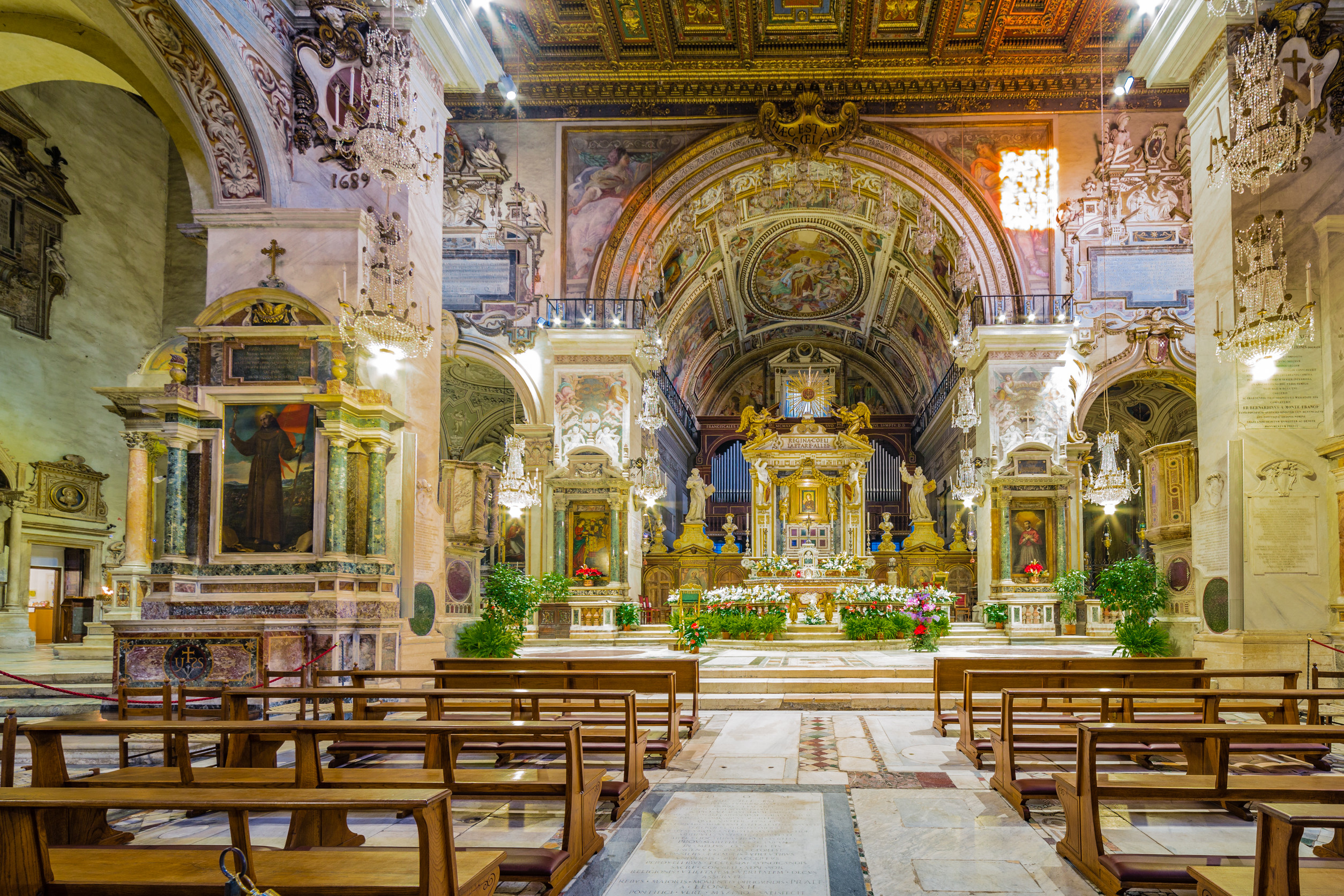
From an academic and institutional standpoint, Catholicism is universally classified as the largest Christian tradition in the world. The World Council of Churches, the Encyclopaedia Britannica, Pew Research Center, and virtually all departments of religious studies recognize Catholicism as a core branch of Christianity.
Why the Claim Persists Today
The assertion that Catholics are not Christian persists largely due to:
- Theological gatekeeping within certain evangelical subcultures
- Lack of historical literacy
- Polemic teaching rather than academic theology
Importantly, this claim is a minority position, even within Protestantism. Most mainline Protestant denominations formally recognize Catholics as fellow Christians, despite ongoing doctrinal disagreements.
Key Takeaways

The most accurate way to frame this issue is as an internal Christian debate, not a question of Christian identity itself. Catholics meet every historical, creedal, and theological criterion used by scholars to define Christianity.
Disagreement does not equal exclusion. Catholics are regarded as Christians by history, scholarship, and global consensus, even when theological differences remain.
Read the original article on Crafting Your Home