Why boomers are obsessed with keeping these 8 worthless things

You’ve likely seen the memes about Boomer hoards, but the reality behind those packed attics is actually quite fascinating. We are witnessing what experts call a “kink in the chain” of generational inheritance, where the flow of goods from parent to child has completely stalled. While Boomers view their collections as retirement nest eggs, the market disagrees entirely. In fact, the EPA estimates that Americans discard over 12 million tons of furniture annually, a figure that has increased by 450% since 1960 because no one wants this stuff.
Why do they keep it? Psychologists point to an “inherited scarcity mindset” passed down from parents who survived the Great Depression. They see safety in things; we see clutter. Ready to dive into the attic? Let’s look at the eight items clogging up homes that are, frankly, worthless.
The stacks of fine floral china

Remember those massive sets of Noritake or Lenox china stored in the hutch? Boomers often insured these for $1,500 or more in the 1980s, viewing them as a crucial asset for formal entertaining. But here is the hard truth: we live in a “heat and eat” culture, and you can’t put gold-rimmed plates in the microwave.
Today, estate liquidators struggle to sell these sets for even $100 because the secondary market has frozen over. Young homeowners refuse to hand-wash delicate dishes after working a 10-hour day. Does anyone really want to baby a plate just to eat a sandwich?
Massive brown furniture pieces
Boomers love “brown furniture”, those heavy, dark wood hutches and armoires built to survive a nuclear winter. While they praise the solid oak construction, Millennials and Gen Z generally prefer the “IKEA aesthetic” or mid-century modern styles that fit into smaller, urban apartments.
The situation is so dire that charities like Goodwill often refuse these donations because they take up too much floor space and simply do not sell. Tragically, 80% of discarded furniture now ends up in landfills because the resale value has hit rock bottom.
Silver-plated flatware sets
Let’s clarify a major misconception: Sterling silver (marked 925) is valuable, but silver plate is basically scrap metal. Boomers often hoard tarnished silver-plated tea sets and cutlery, thinking they hold intrinsic wealth.
The reality? The cost to refine the microscopic layer of silver often exceeds the value of the metal itself. Plus, “Millennials don’t polish silver,” notes appraiser Stephanie Kenyon; we prefer stainless steel that doesn’t demand a Sunday afternoon of chemical scrubbing.
The humble Hummel figurine
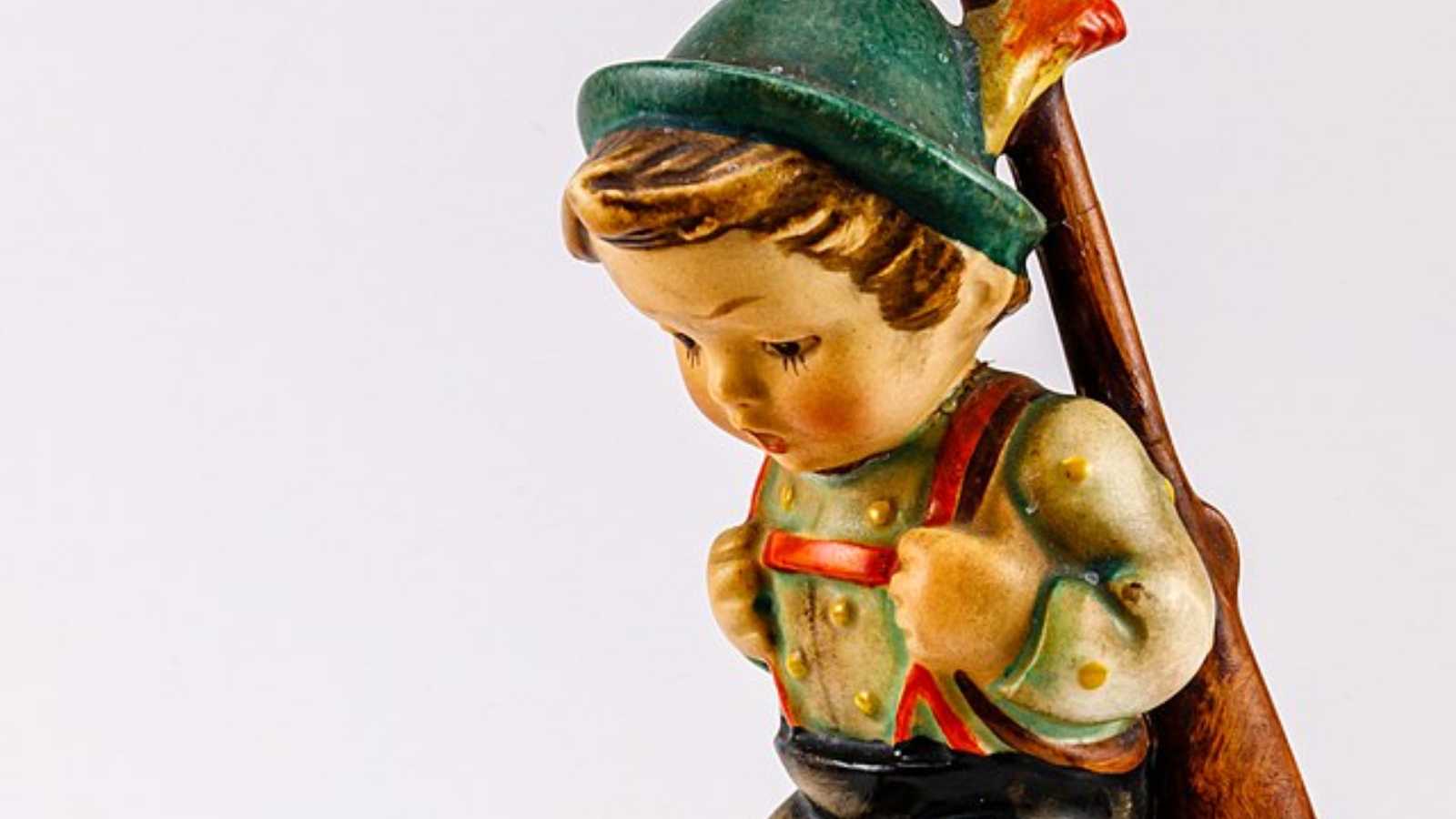
In the 1970s, people bought M.I. Hummel figurines as “investments,” convinced they would pay for their grandkids’ college tuition. But the internet exposed a harsh reality: these items were never rare. eBay flooded the market with supply, crashing prices by over 90%.
A plate that sold for $2,000 in the 80s now struggles to fetch $50, and common figurines often sell for $15, barely covering shipping costs. Most younger buyers also find the aesthetic a bit “creepy” and overly cluttered for modern shelves.
Decorative collector plates
Do you remember the “Bradex” exchange that tracked the value of plates featuring kittens and scenes from Gone with the Wind? It was a bubble. Experts like Terry Kovel now state that most collector plates made after 1980 have no monetary value.
Boomers often hand these over in their original styrofoam boxes, expecting gratitude, but they are handing over an obligation, not a gift. Most of these “limited editions” now languish in thrift store bins for $1 or $2 apiece.
Lead crystal stemware

That heavy, intricate Waterford crystal certainly looks expensive, but it carries a hidden flaw: lead. Modern health-conscious consumers often avoid storing wine in leaded glass decanters due to leaching risks.
Furthermore, like the china hutch, crystal requires a display cabinet to look good. Without the backlight of a formal dining room, these jagged glass pieces just catch dust. Prices for standard crystal stemware have dropped by 50–80% as entertaining styles have shifted toward casual, stemless glasses.
Printed encyclopedias
Boomers revere the Encyclopedia Britannica as the ultimate source of truth, often paying $1,400 for a set back in the day. Throwing them away feels like burning books.
However, a 1995 encyclopedia contains maps of countries that no longer exist and medical advice that might actually kill you. Britannica stopped printing physical sets in 2012 for a reason: Google won. These heavy tomes are now just expensive doorstops.
Stacks of old magazines

Finally, we have the National Geographic hoard. Boomers kept these yellow-spined magazines, thinking they were archiving history. But have you ever tried to move a box of them? They weigh a ton.
Since most of these archives are now digital, the physical copies have lost their utility. Recycling centers even struggle with them because the clay coating on the glossy paper gums up the machinery.
Key Takeaway

The obsession with these items isn’t really about the objects; it’s about clinging to a lifestyle that no longer exists. If you are drowning in “brown furniture” or Hummels, consider this your permission slip to let go. Start your own version of “Swedish Death Cleaning” now; your kids (and their tiny apartments) will thank you later!
Read the Original Article on Crafting Your Home.