What The Original Versions Of 6 Popular Dishes Actually Tasted Like
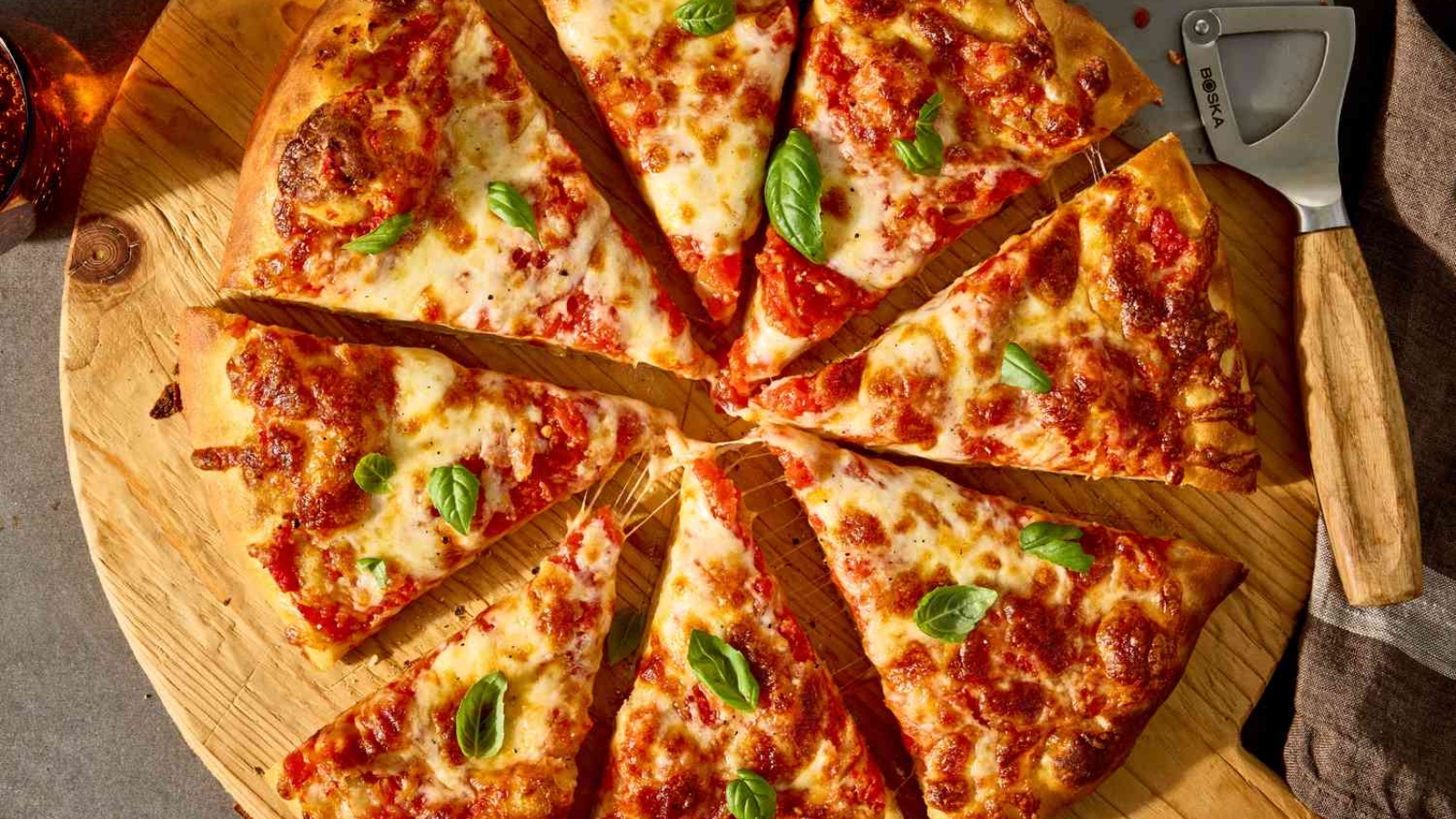
Image Credit: jarck_the_sparrow/123rf Photos
Food is much more than just a means to satisfy hunger; it is a story. A story that traces back centuries, telling us about different cultures, evolving traditions, and how flavors have shaped the world we live in today. Every time you bite into a slice of pizza or sip a cup of tea, you’re not just tasting a dish, but experiencing a rich history.
But have you ever wondered what the original versions of these popular dishes actually tasted like? How have they evolved over time? Exploring the original versions of some of the most beloved dishes of all time would be so interesting. What did they taste like back in the day? Were they as sweet, spicy, or savory as we know them now?
Mac and Cheese

Mac and cheese — a dish so versatile it can be found in gourmet restaurants and in the form of a quick, nostalgic box mix. But where did it all start? The earliest known recipe resembling mac and cheese comes from Italy in the 13th century, where it was called “de lasanis.” This version involved pasta cut into small squares and mixed with grated cheese, likely Parmesan, and then boiled.
There were no breadcrumbs, no creamy sauce, and no gooey cheddar cheese — just simple pasta and cheese.
Mac and cheese became a staple in American cuisine when Thomas Jefferson brought it back from his time in France. But it wasn’t just Jefferson; his enslaved chef, James Hemmings, was the one who refined the dish into what we recognize today as a baked, cheesy, and creamy casserole.
Over time, mac and cheese evolved, with countless variations incorporating lobster, bacon, or multiple cheeses. Yet, the original version was much more modest — just pasta and cheese, cooked simply with whatever was available at the time.
Pizza
The pizza we know and love today has its roots deeply embedded in Italy’s history, particularly in Naples. But pizza, in various forms, has been around since ancient times. The ancient Egyptians, Greeks, and Romans all had versions of flatbreads topped with herbs, oils, and cheeses. These early iterations weren’t as saucy or cheesy as the pizza we enjoy today.
Imagine biting into a crispy, savory flatbread, drizzled with olive oil and sprinkled with fresh herbs, perhaps with a little cheese for richness. It wasn’t until the late 19th century in Naples that the dish began to take its modern form. The poor residents of Naples sought affordable and quick meals, and pizza was born from the humble flatbread, topped with mozzarella, tomatoes, and basil — the same ingredients that make up the classic Margherita pizza today.
After King Umberto I and Queen Margherita of Savoy tasted it during their 1889 visit to Naples, the dish gained royal approval, though it remained a local treat for many years. It was only when Neapolitan immigrants brought pizza to the United States that it became the global sensation we know now. So, what did pizza taste like back then? It was a far cry from the gooey, cheese-laden, and sometimes greasy pizzas of today. It was a simpler, crisper version, where the ingredients’ flavors could really shine.
Hot Dogs

The debate over the origins of the hot dog is one that has fueled many an argument between the cities of Frankfurt and Vienna. Each city claims to have invented this iconic street food, with the Germans likely having a more legitimate claim. The original version of the hot dog, known as the “dachshund sausage,” dates back to the 1600s in Frankfurt, Germany.
These sausages were made of minced meat and seasoned with various spices, but what made them truly unique was their long, slender shape — resembling a dachshund dog. The hot dog as we know it today was popularized in the United States, where German immigrants brought their sausages to pushcarts in cities like New York.
The buns that we associate with hot dogs, however, didn’t appear until the 1800s, likely due to a German immigrant who thought a bun would make the sausage easier to eat. So, while the sausages themselves have remained relatively consistent, the introduction of the bun, along with ketchup and mustard as toppings, has made the American hot dog a global phenomenon.
Tea
Tea, in its many forms, has remained remarkably consistent throughout the centuries, but its first taste was nothing like the sugary, flavored teas we often enjoy today. The legend of tea’s discovery goes back to ancient China in 2737 BCE, where Emperor Shen Nung accidentally discovered it when some tea leaves fell into his boiling water. Back then, tea was likely a simple, refreshing infusion of Camellia sinensis leaves.
In its earliest form, the tea wasn’t nearly as sweet or flavored as it is now. It was more of a clean, slightly bitter, and earthy drink, a far cry from today’s popular chai lattes or bubble teas. Over the centuries, various cultures have added their own twist to the drink, from the delicate green tea of Japan to the strong, bold black tea of the British. But despite the innovations, the original tea remained largely unchanged, a testament to the beverage’s simple elegance.
Chocolate
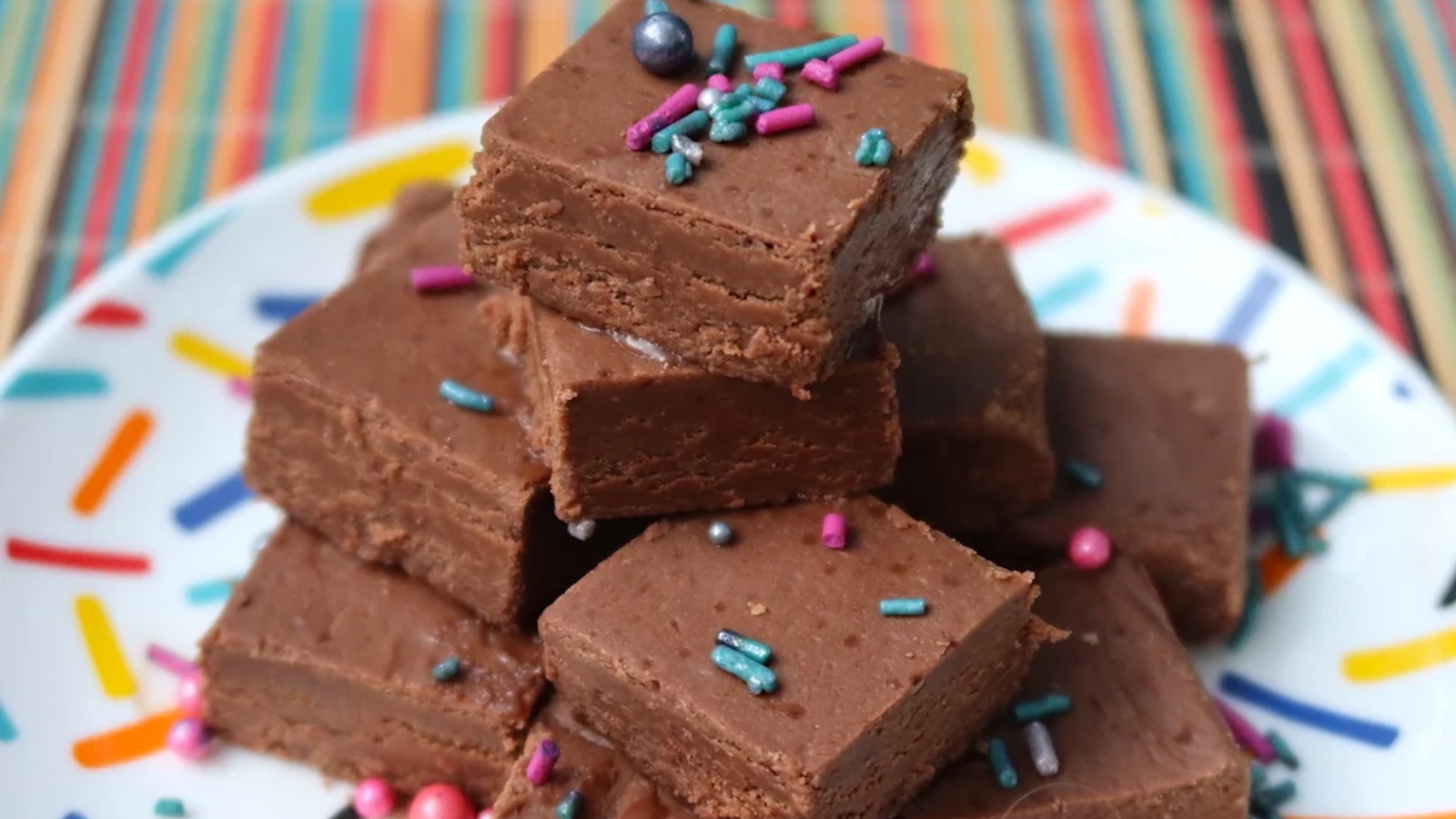
Today, chocolate is a beloved treat that comes in many forms, from rich dark chocolate to sweet milk chocolate. But the first chocolate wasn’t sweet at all. The ancient Aztecs enjoyed a bitter, spicy drink made from cacao beans, often spiced with chili peppers and vanilla. This drink was far from the smooth, sugary chocolate drinks we indulge in today.
It wasn’t until the 19th century that chocolate began to take on a sweeter form. Joseph Fry is credited with creating the first chocolate bar in 1847, mixing cocoa powder and sugar into a paste that could be molded into a solid shape. But this early version was still quite bitter compared to today’s standards. It wasn’t until companies like Nestlé and Hershey’s introduced milk chocolate that we got the sweet treat we know and love.
Hamburgers
The hamburger, as we know it today, has a fascinating history that spans centuries and continents. The first version of the hamburger was not quite the meaty, juicy patty served between two soft buns we crave today. The earliest recorded version comes from 1st-century Rome, where the Romans enjoyed minced meat, often mixed with pine nuts, pepper, and wine. These were shaped into patties, but they were likely not eaten between bread.
By the 13th century, the Mongols were storing their meat under their saddles, tenderizing it with the weight of their horses. This early “hamburger” was quite different from what we know now, but it laid the foundation for the minced meat patty. In the 1700s, the concept of the minced meat patty was further developed in London, but it wasn’t until the late 1800s in the United States that the hamburger was born, with claims to its invention coming from both New York and Wisconsin. Regardless of who truly invented it, the hamburger has become a global fast-food staple.
Conclusion
Food is more than just fuel for our bodies; it’s a testament to the cultural, social, and historical transformations that have shaped our world. The original versions of these dishes may seem vastly different from what we consume today, but each iteration tells a story of ingenuity, adaptation, and the ever-evolving nature of cuisine.
Whether it’s the simple flatbread of ancient pizza or the bitter drink that started chocolate, these dishes have evolved with the times, creating the delicious meals we know and love. By exploring the origins of these popular dishes, we gain a deeper understanding of their cultural significance and how flavors have shaped our global palate.
The next time you sit down to enjoy a pizza or a cup of tea, remember that you’re not just indulging in a meal — you’re participating in a centuries-old tradition that continues to evolve and delight people around the world.