
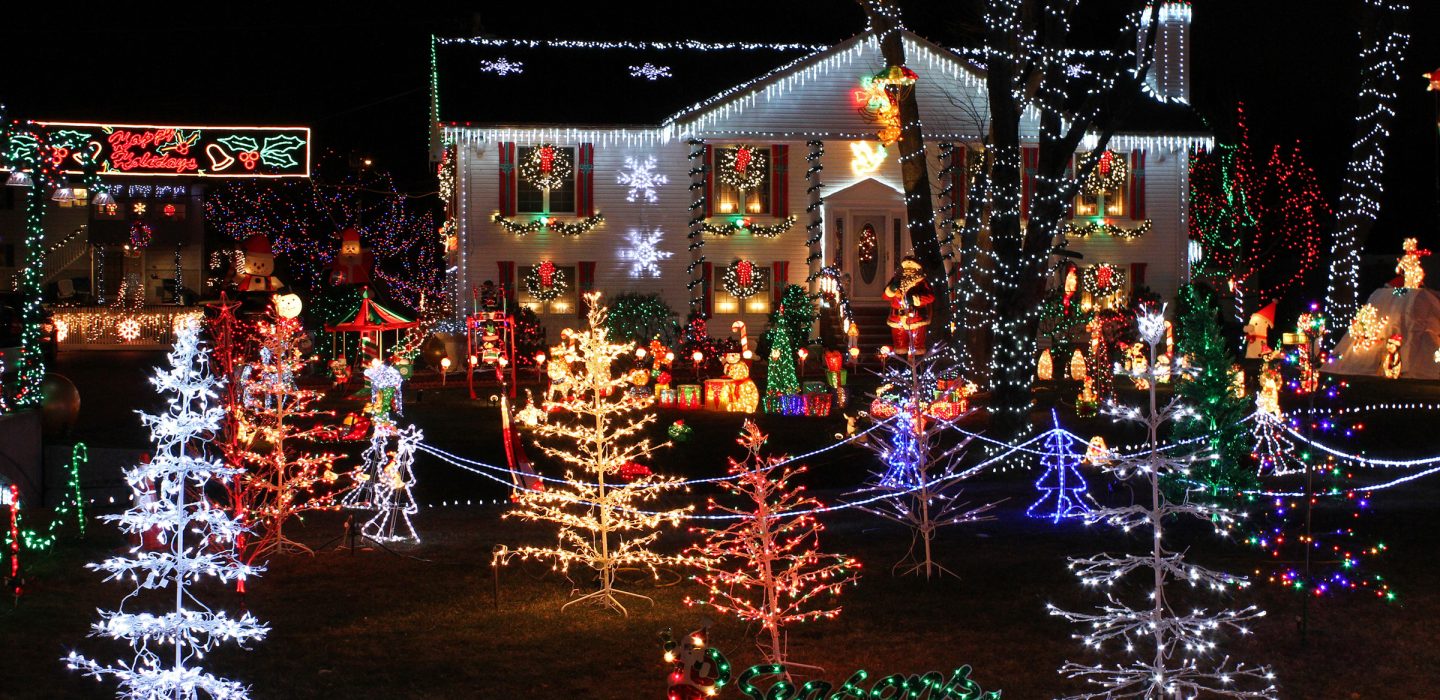

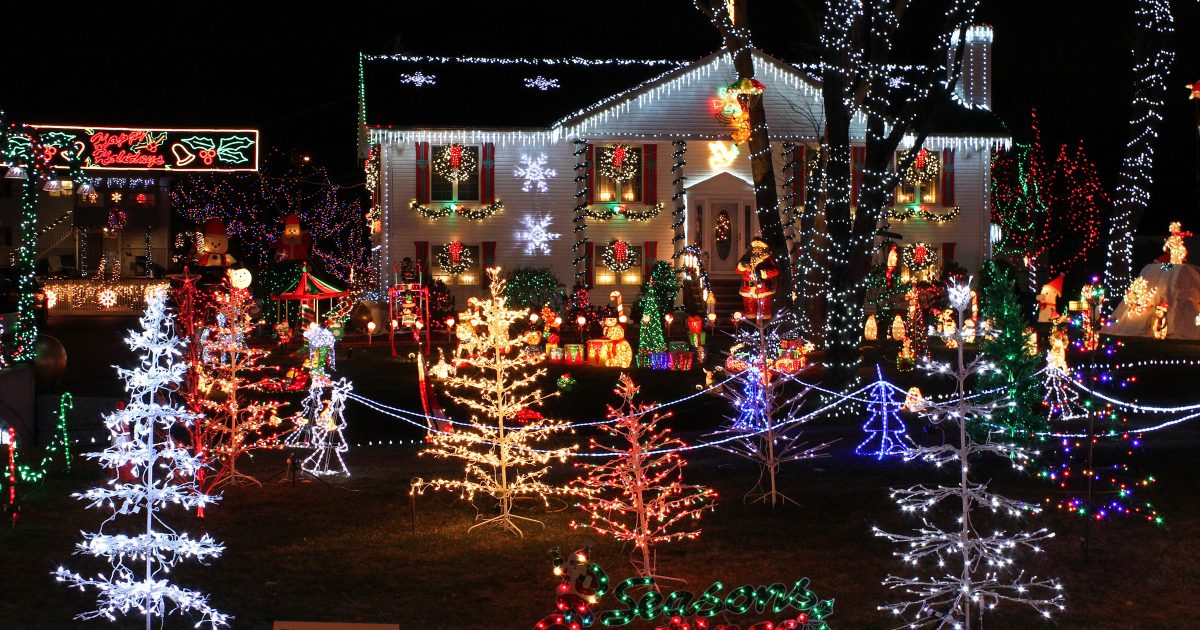
A homeowner in Waxhaw, North Carolina, says he has spent more than $70,000 on a Halloween and Christmas light show built around about 60,000 lights, and his homeowners association is now asking neighbors to vote on rules that would ban displays like his. Neil Heuer, who lives in the Aero Plantation fly-in community, has also filed a lawsuit against the association.
Realtor.com and The Independent both reported the dispute in November, and both include comments from Heuer and a statement from the association’s president. The vote on the proposed changes is open until Jan. 30, so this season’s show comes before the neighbors’ decision.
The story has drawn attention because it pits one family’s hobby against a neighborhood’s rulebook, a conflict many HOA disputes share.
A 60,000-Light Show Five Years in the Making

According to Realtor.com, Heuer has staged the displays for five years. They include more than 60,000 lights, choreographed animatronic figures and coordinated music, and he estimates the total cost of lighting and decorations at more than $70,000.
The Independent reported that the show, which Heuer promotes on social media as “High Flying Lights,” uses synchronized LED lights and special effects, with music transmitted to spectators’ car radios. Aero Plantation sits about 30 miles south of Charlotte and has its own airstrip. Going all out on decorations is among the odd American traditions that often baffle outsiders.
Heuer told Realtor.com that the show began because of his interest in technology and because his children enjoyed it, and that neighbors once danced in his driveway, a scene of the old-fashioned neighborliness that is making a comeback. His outdoor Christmas lights are a far bigger project than the average yard string, though, which is part of why the association says visitors and traffic became a concern.
The Hearing, the Violations and the Fine
Realtor.com reported that the association held a hearing in September 2026 on the display, alleging violations of community rules on exterior lighting, signage size, traffic and guest limits, along with architectural alterations. Aero Plantation is not gated, but it is private, and the association owns and maintains its roads, much like the rules HOAs often set for what owners can put out.
According to Realtor.com, a Sept. 15 letter after the hearing said the board “did not find a violation exists at this time” over the visitors. Heuer was found in violation of lighting and signage rules, while the board could not decide the questions about parking and exterior alterations. One sign that broke the size limits, Realtor.com noted, was posted to tell visitors that off-duty sheriff’s deputies patrolling the area had been hired by the association, not by him.
The Independent added that the association warned future lighting violations could bring fines of $100 per day. Heuer tested a powerful light fixture on Sept. 28 and was fined $100 the next day. His attorney had offered to run the display at 30 percent of its maximum brightness and to remove powerful moving-head lights and a large banner, but the association rejected that proposal three days later.
The Lawsuit and the Proposed Rule Changes
Heuer sued the Aero Plantation Association in Union County Superior Court on Oct. 6, the Independent reported, claiming the board overstepped its authority and failed to follow proper notice and hearing procedures. He also argues that the restrictions being applied to him were never formally adopted in the bylaws. The case is ongoing, and similar fights, such as when a Maine couple paid fines over tin rooster statues, show how far these disputes can go.
Meanwhile, the board sent notice of new parking rules that hold owners responsible for stopping or parking caused by activities that attract non-resident traffic, even if the owner did not invite every visitor, per Realtor.com. Crowds of sightseers are a worry familiar to any place with popular tourist attractions. A second notice described two proposed bylaw amendments, and deciding what counts as too much is a matter of social norms as much as rules. One would set standards for public attractions that generate substantial or recurring non-resident traffic. The other would set standards for flashing, strobing, pulsating and high-intensity exterior lighting.
Both outlets describe the amendments as ones that would block displays like Heuer’s. North Carolina’s Planned Community Act, which the association’s president cited, lets members change a community’s declaration by vote. The same law, in Chapter 47F of the state statutes, says that, unless a declaration sets its own procedure, an association must hold a hearing before fining an owner, and daily fines that begin after five days are capped at $100.
What Heuer and the Association Each Say
Heuer’s explanation is not about lights. He told both outlets he believes the dispute is retaliation for an anonymous newsletter he wrote that questioned a plan to renovate the community’s golf course. He said the board’s vice president promised yearly upkeep of about $8,000, and that the figure later turned out to be closer to $16,000. In his view, once neighbors learned who wrote the newsletter, the association was used as a weapon against him and his show.
For the association, President David Arno said in a statement that Heuer filed a lawsuit, to which the association will respond through legal channels. He added that the Act authorizes members to change the declaration and that the board will not comment further.
Arno’s statement also urged members to voice their opinions by deciding whether to approve the changes. Heuer emailed neighbors asking them to think twice, telling Realtor.com that residents may or may not like the show but do not need more rules.
What Happens Next for the Lights and the Lawsuit
Heuer told Realtor.com that the new rules will not apply to this year’s show, and he plans to go big again. He also said he and his wife intend to leave Aero Plantation once their youngest daughter graduates from high school, and that the next neighborhood will not have an HOA.
The Independent reported that Heuer has heard from supporters too. One neighbor he did not know rolled down her window to thank him for bringing joy to the neighborhood, and another sent a video of her 93-year-old mother laughing at the show.
The question facing Aero Plantation residents is the one many communities face each December: whether a spectacle that draws crowds is a gift or a nuisance. Visitors drawn by the show are exactly what the proposed standards for public attractions address.
Get stories like this by email. Sign up for Crafting Your Home.
This article was produced with AI assistance and edited for accuracy against the sources linked above.
Image: Anthony92931 – CC BY-SA 3.0/Wikimedia Commons
