
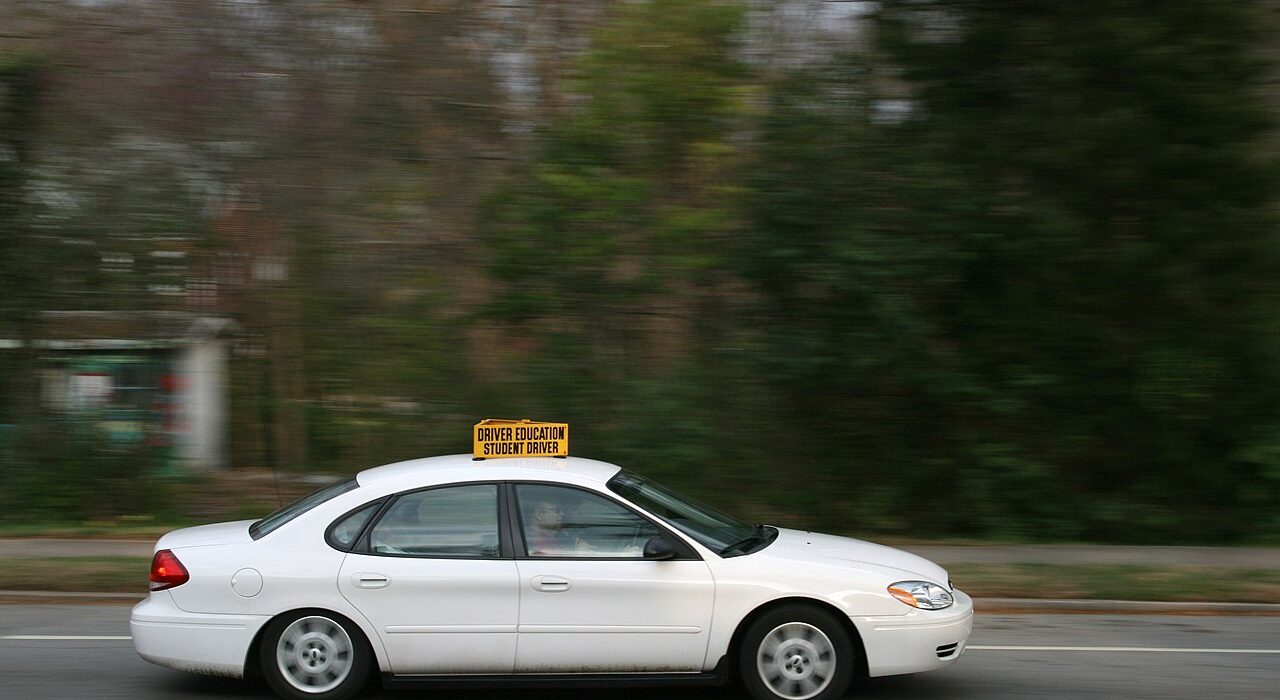

Roughly 79% of Washington drivers who got their first license between ages 18 and 21 never completed driver training, according to the state’s Department of Licensing (DOL) implementation report. That gap is about to close for the youngest adults. Beginning Jan. 1, 2027, anyone applying for a first Washington license at age 18 must finish a driver training course first.
Who the Jan. 1, 2027 Rule Covers

Until now, only 16- and 17-year-olds have had to complete driver education before licensing. The DOL guidance page says applicants age 18 are required to take it starting Jan. 1, 2027, which covers those born in 2009 or later.
The change comes from House Bill 1878, signed by Gov. Bob Ferguson on May 17, 2025, Fox 13 Seattle reported. Washington is not alone in tightening the path to a license, since Colorado is adding its own 30-hour requirement. For parents guiding a young adult toward the driver’s seat, this guide to raising confident kids offers a calmer approach to the milestone.
The course itself is not new. DOL’s report refers to a 30-hour classroom portion plus behind-the-wheel instruction, and the department says it will release more information and outreach as the launch date nears.
How the Age Limit Climbs Through 2030
The mandate does not hit every young adult at once. Under the session law, applicants must complete training if they are under 19 starting Jan. 1, 2027, under 20 starting Jan. 1, 2028, under 21 starting Jan. 1, 2029 and under 22 starting Jan. 1, 2030.
In practice, each January adds one more age group: 19-year-olds in 2028, 20-year-olds in 2029 and 21-year-olds in 2030. The Washington Traffic Safety Commission’s summary of the bill describes its core intent as progressively mandating training for new license applicants up to age 25, though the dates in the law stop at 22.
DOL’s report adds context on why the early years matter: about 31% of 18-year-olds already complete training, a share that drops below 7% by age 21. The agency estimates the expansion will raise the number of new drivers subject to training by about 53% between 2027 and 2030. Safety-minded readers can compare that with a ranking of cities with the most car accidents.
Rules differ by state, as Connecticut’s mandatory license suspension for a third violation shows, and skills beyond the classroom matter too, from the penny test for tire tread to knowing which side of the car the gas cap sits on. Families shopping for a first car can also look at used family cars with low maintenance costs, and holiday travelers can pick up ideas from tips for surviving road trips with a dog.
Exemptions, Waivers and a Possible Delay
The law carves out applicants who already hold a license from a reciprocal jurisdiction outside Washington. DOL may also waive the course if an applicant could not take it, needs to drive and can drive safely.
A separate provision lets DOL pause or delay the requirement by rule if an internal review finds too few driver education courses or instructors for an affected age group. That is more than a formality. DOL’s report says schools report difficulty recruiting and training enough instructors, and the department plans a readiness survey of schools and instructors in 2026.
For now, DOL’s guidance page lists no delay, so the Jan. 1, 2027 start stands. Applicants close to the cutoff may want to check the department’s site before booking a road test.
Other Changes for Young Drivers
Several related rules arrive on separate timelines. From Jan. 1, 2027, drivers aged 18 to under 22 with two moving-violation findings must complete a safe driving course, and those aged 22 to under 25 face the same requirement through 2031. Anyone who misses the deadline of 180 days from DOL’s notice faces suspension.
Applicants under 25 must also pass a DOL-approved online work zone and first responder safety course, which the department must provide at no cost. Vouchers for low-income residents aged 15 to 24 are slated to begin Jan. 1, 2027, subject to funding, and the license application fee rose from $35 to $50 at the start of 2026.
Starting in 2031, initial licenses for drivers under 21 will expire on the later of their 21st birthday or two years after issuance, and renewal will require a refresher course focused on risk management and hazard perception.
Why Lawmakers Backed the Change
Rep. Brandy Donaghy, the bill’s prime sponsor, said the goal is to keep roadways “as safe as possible for everybody on them,” according to Fox 13, adding that she ultimately wants the requirement to reach age 25. Mark McKechnie of the Washington Traffic Safety Commission told the station that 18- to 25-year-olds who had not taken driver education had more than a 60% higher rate of crash involvement.
Not everyone agreed. Alex Hansen, president of the Washington Traffic Safety Education Association, argued that public schools are the best way to reach all new drivers and called the bill’s online and one-day training options educationally unsound.
Get stories like this by email.