7 Unwritten Rules That Shape Behavior in the U.S.
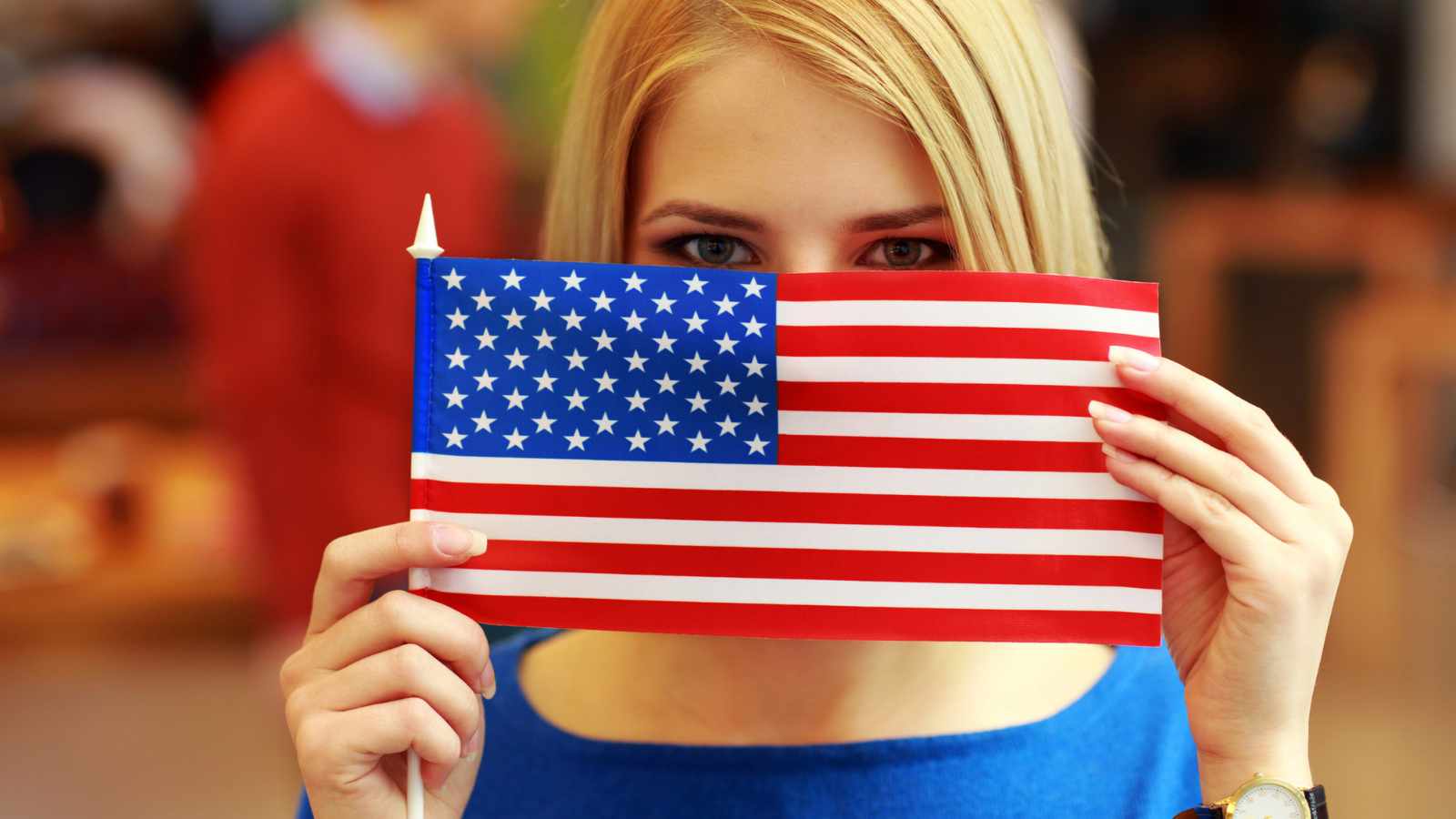
Image Credit: vadymvdrobot via 123RF
The United States is a land of dynamic contrasts and unspoken rules that subtly govern every aspect of daily life. Many tourists arrive with expectations shaped by geography or history, but few are prepared for the intricate, unspoken norms that shape social interactions.
These invisible guidelines, understood by the locals, dictate everything from how you stand in line to how you greet someone on the street. The following explores some of the fundamental, unwritten rules in the U.S. that define behavior and social conduct across this vast country.
Tipping
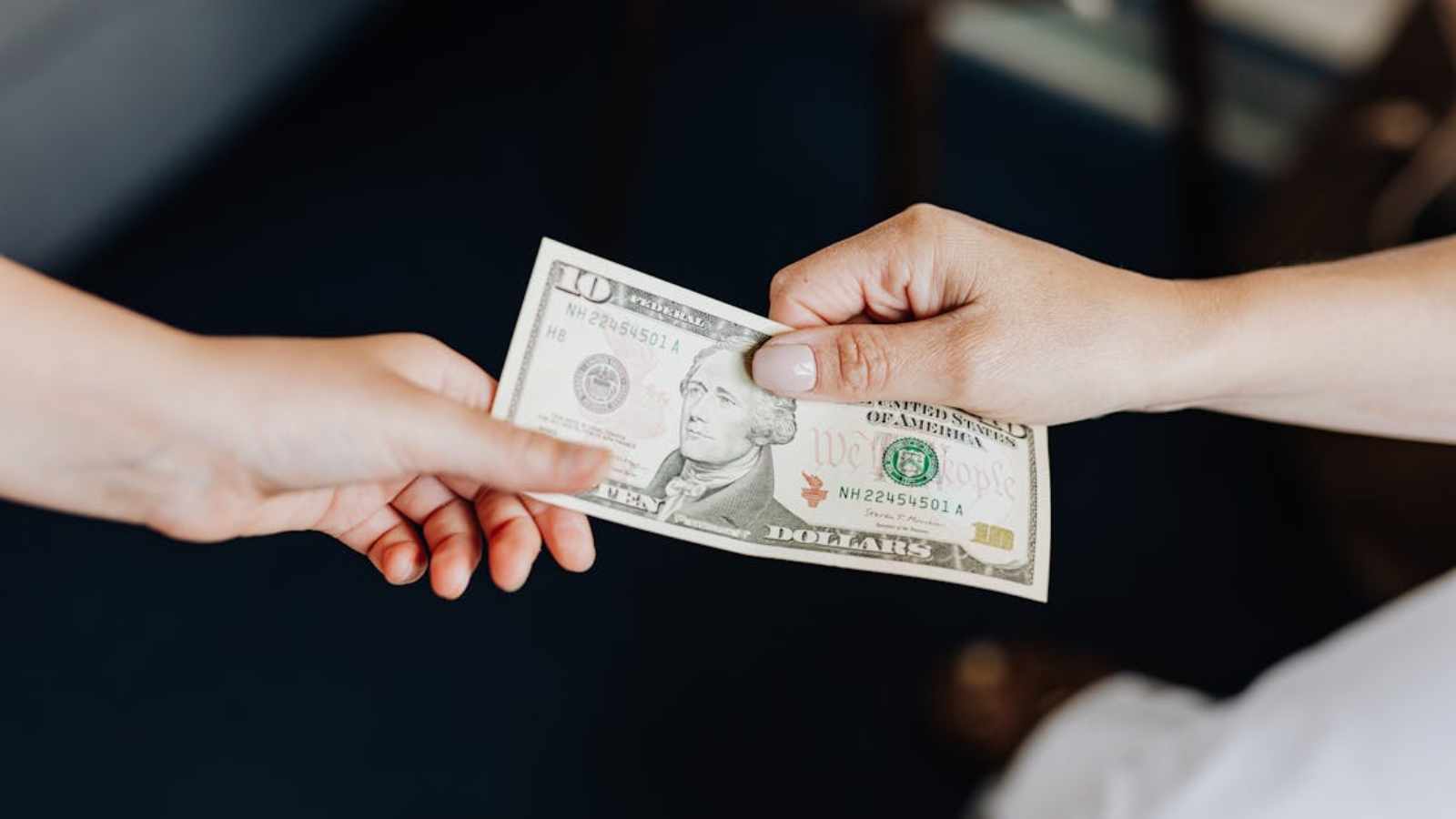
In the U.S., tipping is an essential part of the service industry economy. It’s not just a gesture of appreciation for good service; it’s expected. For those unfamiliar with this custom, walking out of a restaurant without tipping can be perceived as a grave breach of etiquette. Servers in the U.S. often earn lower wages, and tips are an essential part of their income. This creates an unspoken obligation for patrons to leave an appropriate gratuity, typically 15-20% of the total bill.
The Universal Power of the Smile
In the United States, smiling is not just an expression of happiness; it’s a social tool that signifies approachability and kindness. Even if you don’t know someone, a simple smile can create an unspoken bond, signaling peace and friendly intent. Visitors often find this puzzling: why smile at strangers in passing? The answer lies in the American tradition of bridging cultural gaps. Smiling has become a form of non-verbal communication, transcending language barriers and fostering a sense of warmth in public spaces.
Small Talk as a Social Glue
Silence is often revered in some cultures, but in the U.S., small talk is a critical social lubricant. Whether you’re in an elevator, a coffee shop, or waiting in line, expect to engage in casual conversations with strangers. Topics such as the weather, weekend plans, or simple greetings are often used to create brief connections and break the ice.
Punctuality is an Expression of Professionalism
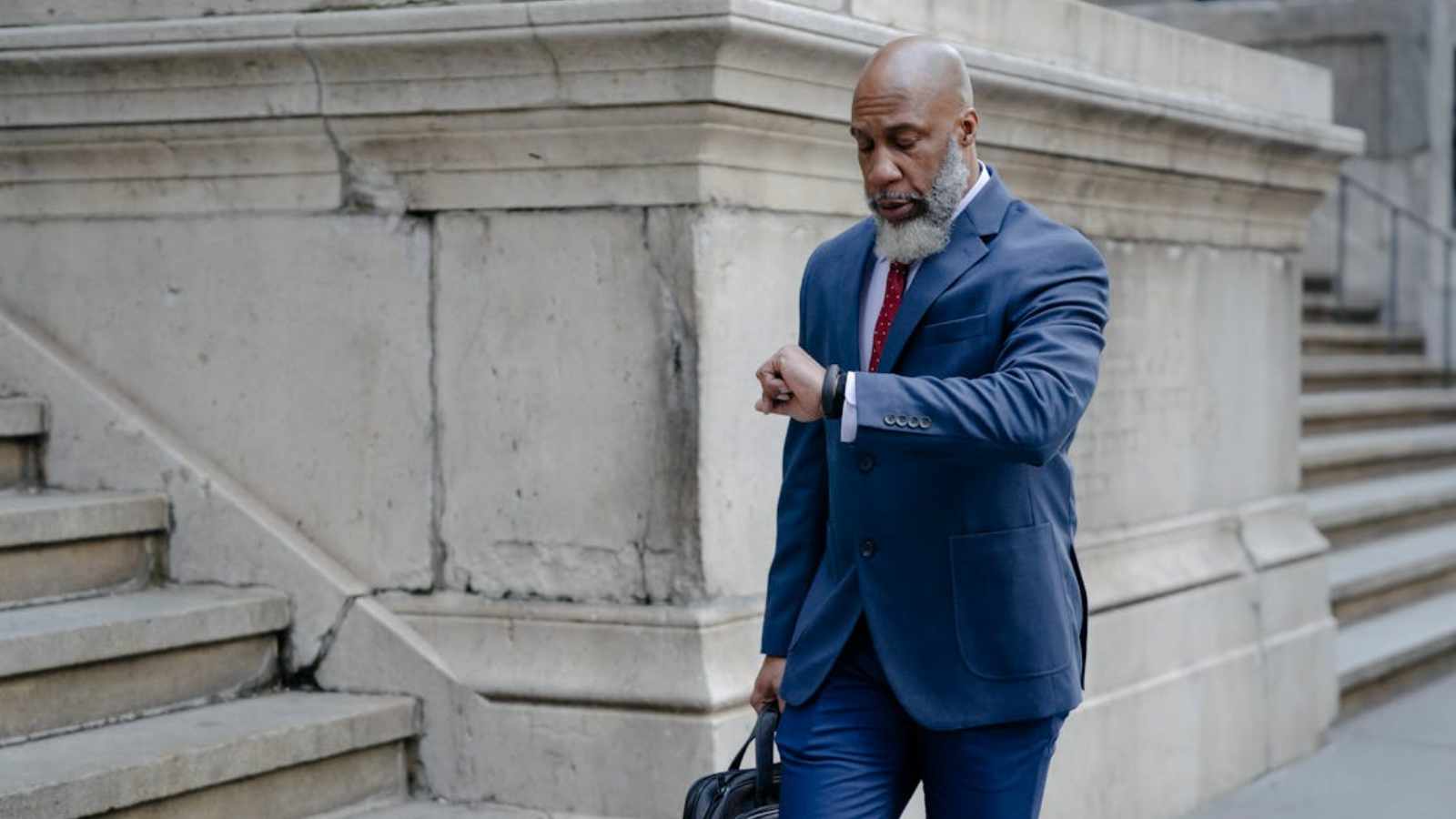
In the U.S., punctuality is more than a matter of time; it’s a direct reflection of an individual’s professionalism and respect for others. Being late to an appointment, meeting, or even a casual social gathering is frowned upon and can be seen as disrespectful. The norm is to arrive early, often 5 to 10 minutes in advance, to show that you value the time of others.
Enthusiastic Customer Service
Walking into a store in the U.S. typically involves an immediate, enthusiastic greeting from the staff. While it may feel a bit over-the-top, the American customer service model is rooted in creating a welcoming, satisfying experience for patrons. Employees are trained to go above and beyond to ensure customers feel valued and well-served.
The Undying Optimism
Americans are known for their unwavering optimism and belief in the possibility of success. This “can-do” attitude permeates the national psyche and is particularly evident in the way people approach personal challenges, business ventures, and even political debates. A belief in the inevitability of success through hard work and perseverance is part of the cultural fabric.
The Cult of “Busyness”

In the U.S., being busy is often seen as synonymous with success. People are often expected to be constantly engaged in productive activities, whether at work, volunteering, or pursuing hobbies. A common response to “How are you?” is “Busy,” which signals not only the demanding nature of modern life but also a sense of pride in one’s productivity.