6 Unusual Dishes From Around The World You Need To Try

Image Credit:
sittipolphoto/123rf Photos
Travel offers more than just stunning landscapes or rich history. It provides a chance to dive into flavors, aromas, and textures that might seem strange, yet hold deep cultural significance. Bold travelers know that some of the best culinary experiences come not from traditional dishes, but from the daring foods that define a region’s heritage.
These unusual foods may seem intimidating at first, but they provide unforgettable stories, new tastes, and often a sense of connection to local traditions. Each destination has its own culinary surprises, waiting for those willing to venture outside their comfort zone.
From crispy, deep-fried tarantulas in Cambodia to the rich, earthy taste of yak butter tea in Tibet, the world’s menus are filled with extraordinary experiences that transcend typical food tours. These dishes offer more than just a meal—they provide a way to understand the place, its people, and their unique way of life.
South Africa’s Biltong
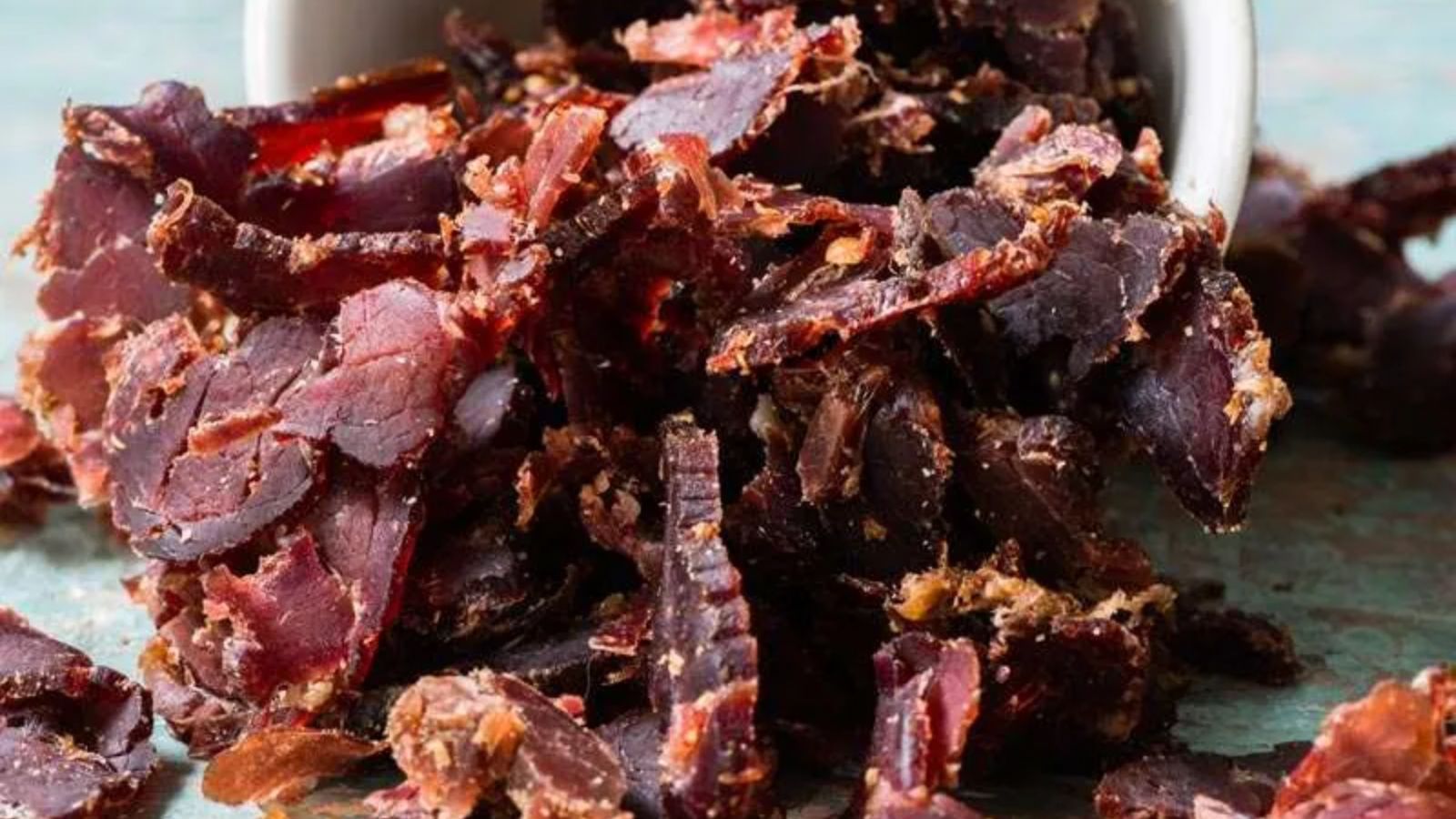
If you’re visiting Cape Town, you’ll undoubtedly come across biltong, a beloved South African snack that locals swear by. While it might resemble jerky, there’s a key distinction: biltong is dry-cured meat, not smoked. Unlike the heavily spiced jerky you might be used to, biltong is seasoned with vinegar, salt, and spices such as coriander, then air-dried to perfection.
But the magic lies in the variety of meats you can try: from beef to springbok (a type of antelope) to ostrich. Each has a unique texture and flavor, offering a full sensory experience. You’ll find it in supermarkets, gas stations, and local markets. It’s not just a snack—it’s part of the culture, and it’s one you won’t want to miss!
Escamoles in Mexico
In Mexico City, there’s a dish that might make even the most daring food lover pause for a moment: escamoles, or ant larvae. But don’t be put off by the unusual source. These larvae, harvested from the roots of agave plants, are often referred to as “insect caviar” because of their rich, nutty flavor and delicate texture.
Typically sautéed with butter and spices, escamoles can be enjoyed in tacos, omelets, or even as a stand-alone dish. Their soft, creamy texture and slightly nutty taste are a far cry from what you might expect from an insect, making this delicacy a must-try for the bold traveler.
Thailand’s Fried Beetles
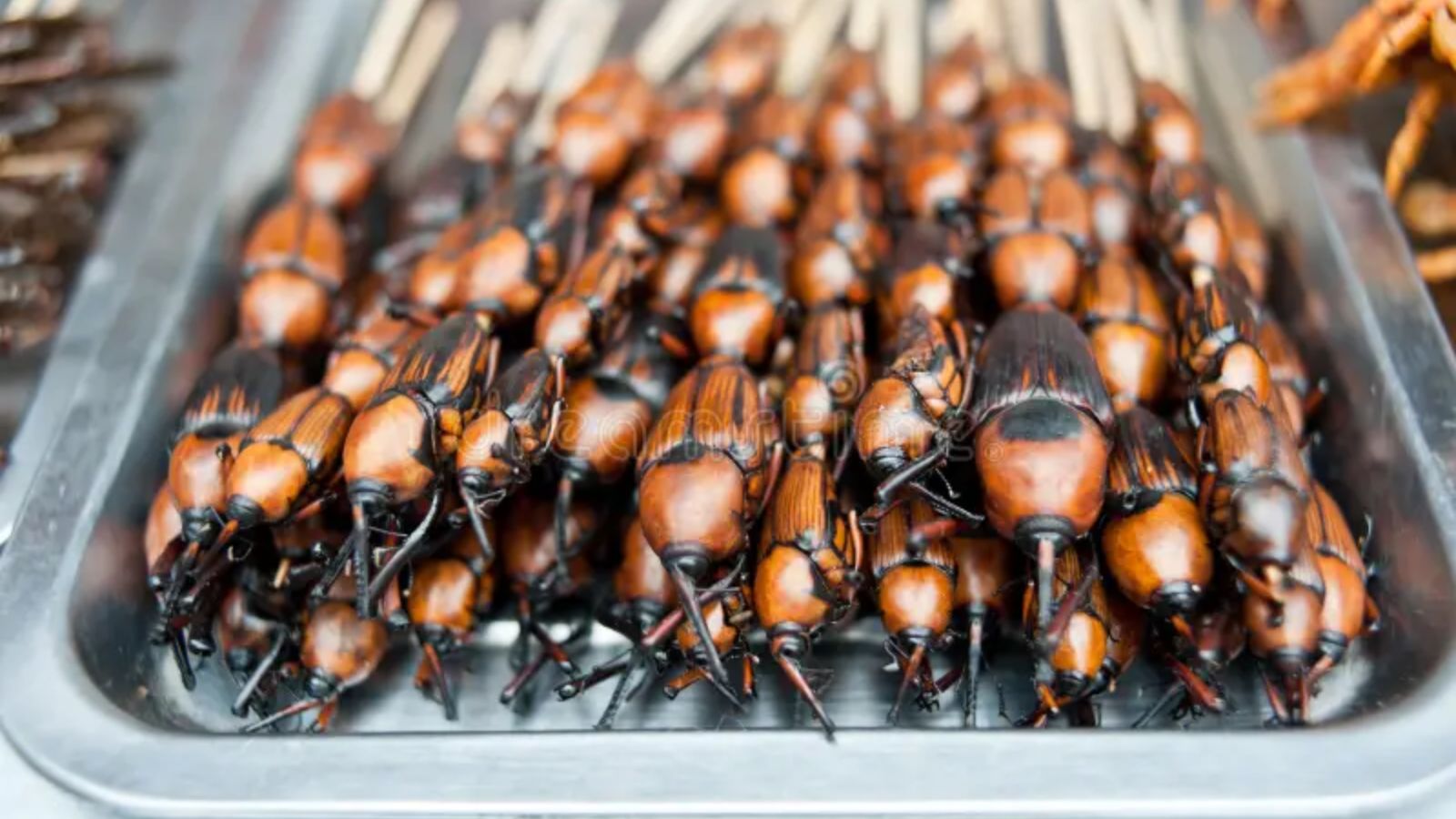
If you’re wandering the streets of Bangkok, one snack might just catch your attention: fried water beetles. Often prepared with a zesty blend of garlic, chili, and oil, these crunchy critters pack a punch in both flavor and protein. Though the idea of eating bugs might sound unappealing at first, the texture is surprisingly satisfying, with a sweet, licorice-like aftertaste that lingers on the tongue.
Fried beetles and other edible insects like silkworms and grasshoppers are popular street foods in Thailand, and they offer a fun—and protein-packed—way to snack while exploring the city. So why not give it a shot? You might be surprised at how much you enjoy it.
Shark Burgers on Maracas Beach
In Trinidad and Tobago, there’s a local delicacy that will leave you craving more: bake-and-shark. This unique sandwich consists of fried flatbread stuffed with deep-fried shark meat, topped with fresh coleslaw, tomatoes, and tangy sauces like mango chutney or tamarind. Served with a side of crispy fries or a refreshing beverage, bake-and-sharkis a must-try dish when visiting Maracas Beach.
The shark meat is tender, mild, and flaky, and when paired with the various toppings and sauces, it creates a flavorful explosion in every bite. While you can find this sandwich in many parts of the Caribbean, nothing beats enjoying it right by the beach, where the salt air and crashing waves add to the whole experience.
A Warm Cup of Yak Butter Tea in Tibet
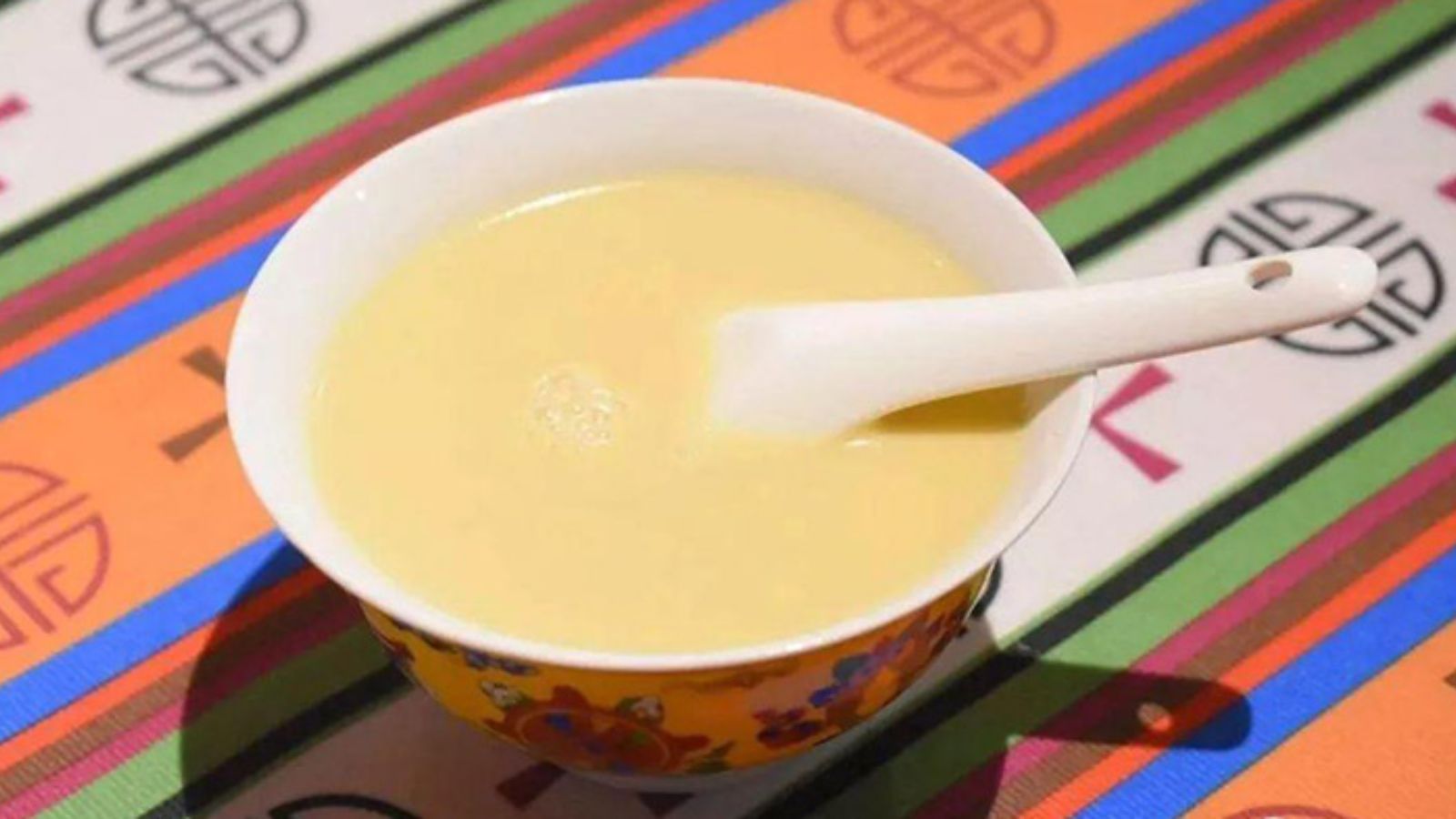
When you find yourself in the high-altitude city of Lhasa, Tibet, make sure to indulge in a traditional cup of yak butter tea, also known as po cha. It’s a drink that reflects the region’s cold climate and rugged lifestyle, offering sustenance in the form of a hearty, calorie-dense beverage.
Made with black tea, rich yak butter, and a pinch of salt, po cha offers a creamy, earthy flavor that might surprise you. Served hot and often enjoyed by locals as part of their daily routine, this drink is not just a beverage—it’s a warm embrace that fuels your body during Tibet’s chilly evenings. Don’t leave without giving it a try—it’s the perfect way to feel like a local.
Guinea Pigs in Peru
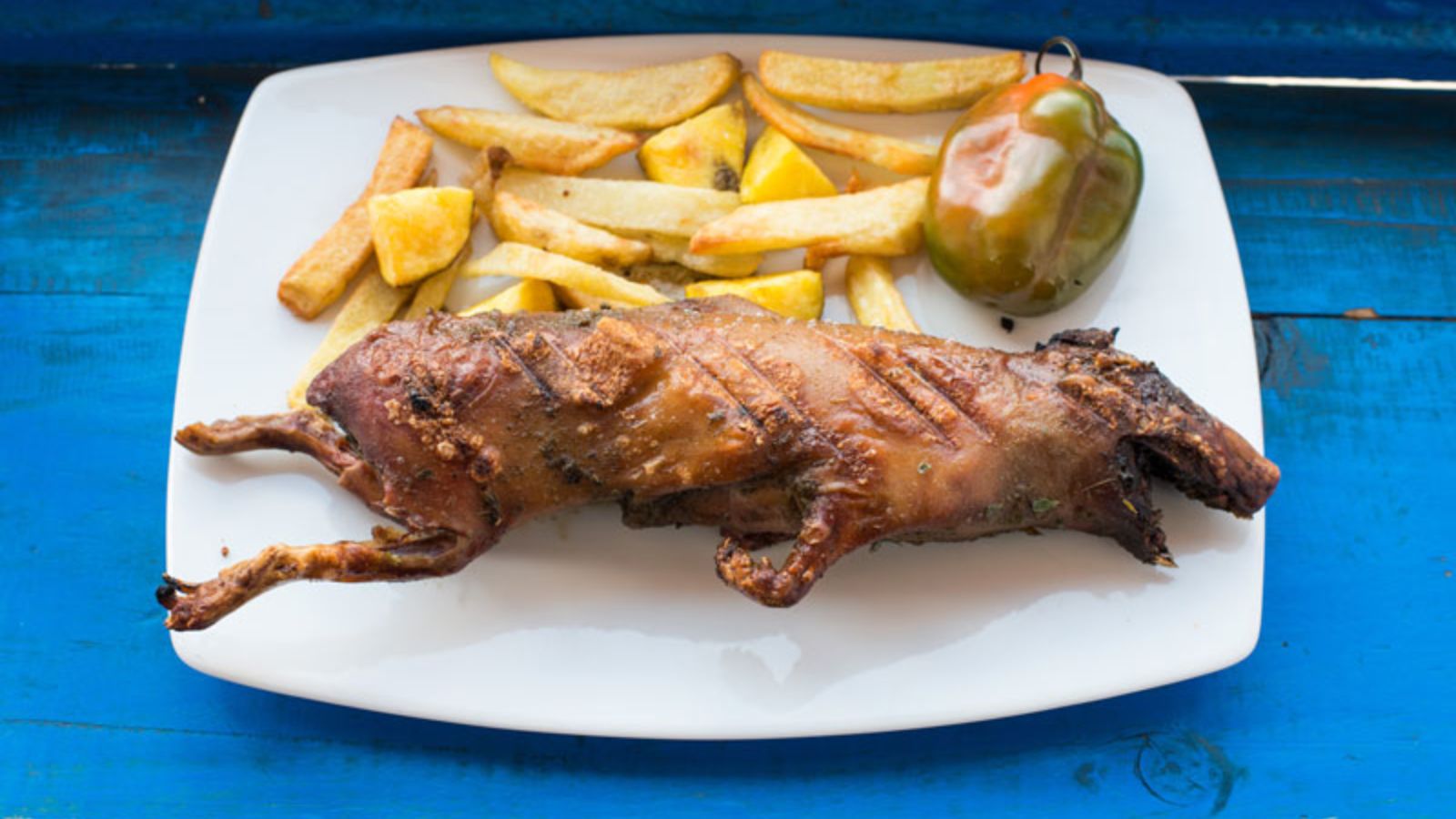
In Peru, the consumption of guinea pig, or cuy, dates back over 5000 years and remains a staple of the country’s cuisine. While it might seem strange to eat what many consider a household pet, guinea pig is an important part of Peru’s cultural and culinary heritage.
The meat is rich, tender, and similar to a mix between rabbit and chicken. In Lima, you can find cuy roasted to perfection, often served with a side of potatoes or corn. If you’re looking for a more adventurous dining experience, don’t be afraid to order one for yourself at local eateries—just be prepared for a slightly intimidating presentation.
Key Takeaways
Embarking on a culinary adventure means embracing the unfamiliar and challenging your taste buds. While the foods on this list may seem strange or off-putting to some, each dish holds deep cultural significance and offers a unique taste of the regions they come from.
Whether it’s biltong in South Africa, escamoles in Mexico, or surströmming in Sweden, these unusual foods provide an unforgettable way to connect with the local culture and tradition.