

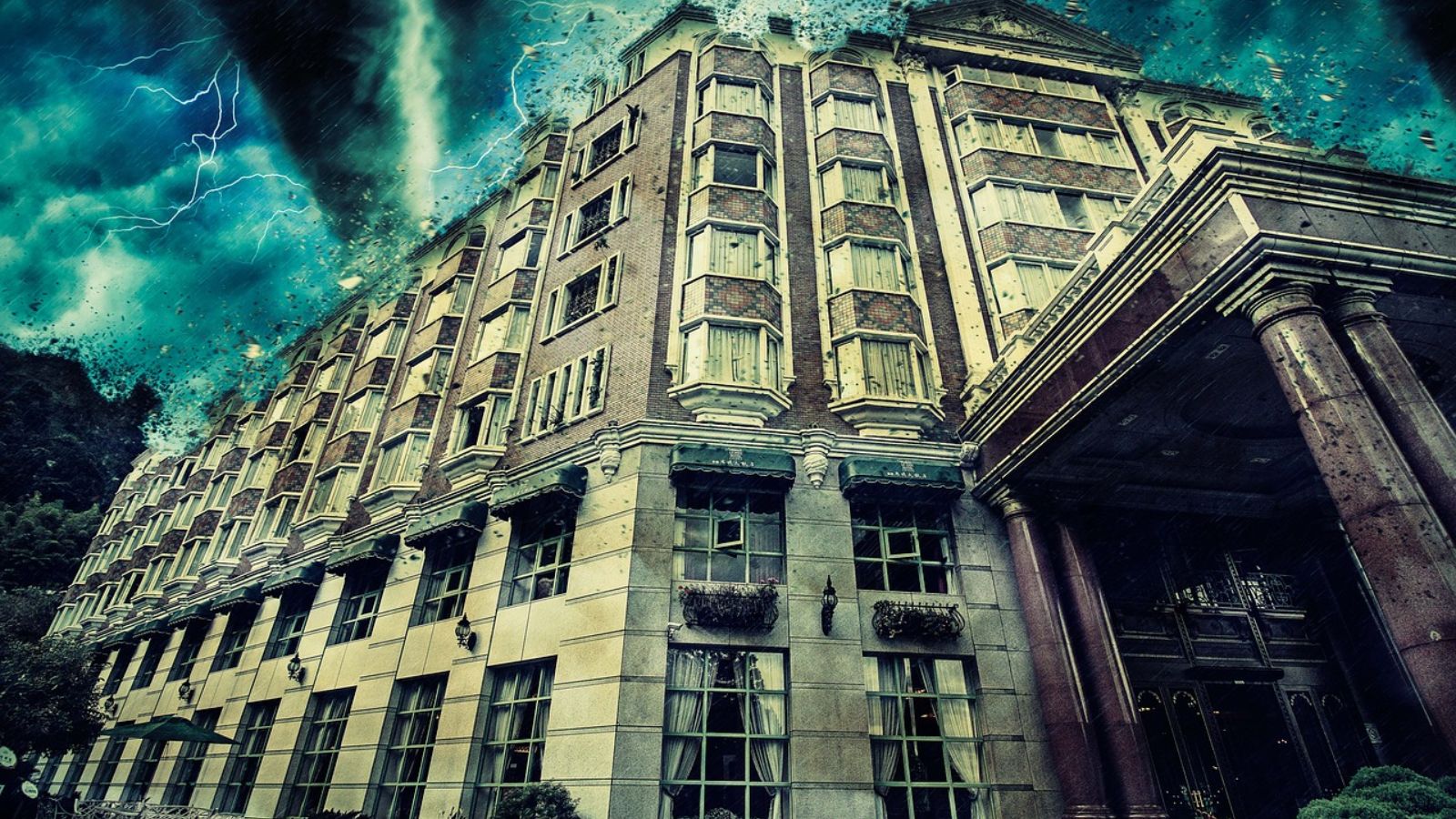
Travel is usually wrapped in bright words. Discovery. Escape. Wonder. Memory. Yet there is another side to movement, one that seems to pull people toward places marked by grief, violence, disaster, and loss. Scholars generally define dark tourism as travel to sites associated with death, disaster, or the macabre, and they note that the subject raises difficult questions about memory, ethics, and the way suffering can be turned into something consumable.
What makes the subject so difficult is that it does not sit neatly in one moral box. A visit to a concentration camp, a battlefield, a disaster zone, or a memorial can be thoughtful and deeply educational, but it can also drift into spectacle.
That tension may be what makes dark tourism so unsettling. It asks not only where people go, but why they want to stand there in the first place.
Dark Tourism Has Ancient Roots
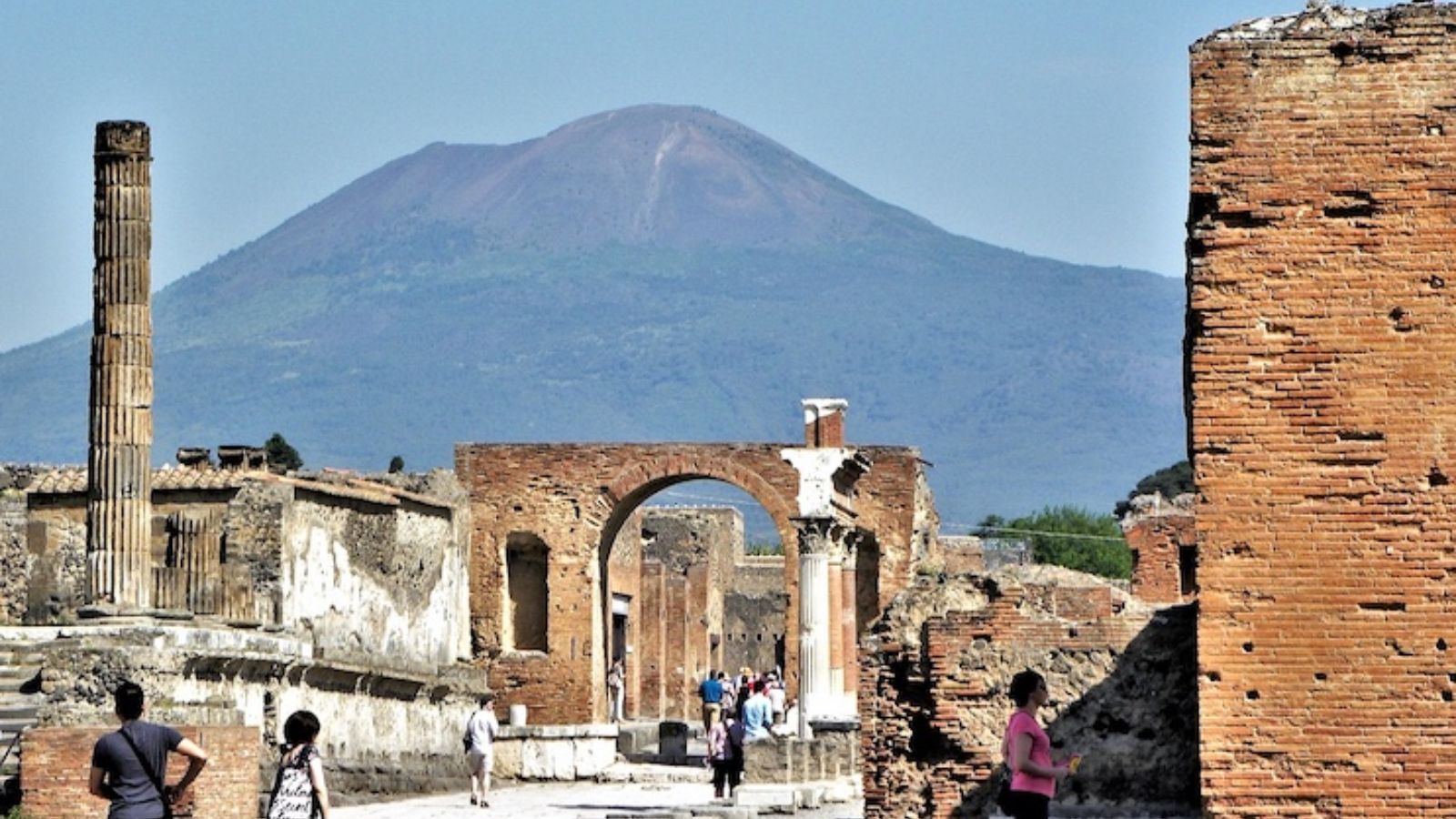
It’s easy to assume that dark tourism is a modern invention, spurred by the internet, social media, and the ability to share grisly content online. But the truth is, dark tourism has been part of human culture for centuries. People have always been drawn to places associated with death, destruction, or great suffering.
Whether it was witnessing public executions in medieval times or visiting the ruins of ancient battlefields, this fascination with the darker aspects of history has persisted. The formalization of dark tourism into an industry is recent, but the concept itself is deeply rooted in human history, and perhaps even in human nature itself. This longstanding history raises an interesting point: dark tourism might not just be a modern phenomenon, but an ongoing human tendency that reflects our complex relationship with death, tragedy, and history.
If we examine it through the lens of history, we see that the more things change, the more they stay the same. Dark tourism might simply be an evolution of an age-old curiosity about the darkest corners of human existence.
Battlefields Were Once Tourist Attractions
Historically, battlefields were not only sites of immense violence and loss, they were also viewed as attractions for spectators. During wars such as the American Civil War, it wasn’t unusual for families to pack picnics and head to the front lines to watch the chaos unfold. There’s something almost surreal about the idea of viewing a violent battle as though it were a theatrical performance.
But this wasn’t unique to the Civil War era. In the past, many battles, including the famous Battle of Waterloo, drew crowds eager to witness the carnage from a safe distance. The unsettling thing here is that war, which should be a somber and tragic event, was, in many cases, treated like entertainment.
Even today, some people may visit historical battlefields out of curiosity about the past, without fully understanding or appreciating the gravity of the human suffering that occurred there. That blurry line between education and spectacle is a key reason dark tourism can feel so morally complicated.
Suffering Can Be a Commercial Product
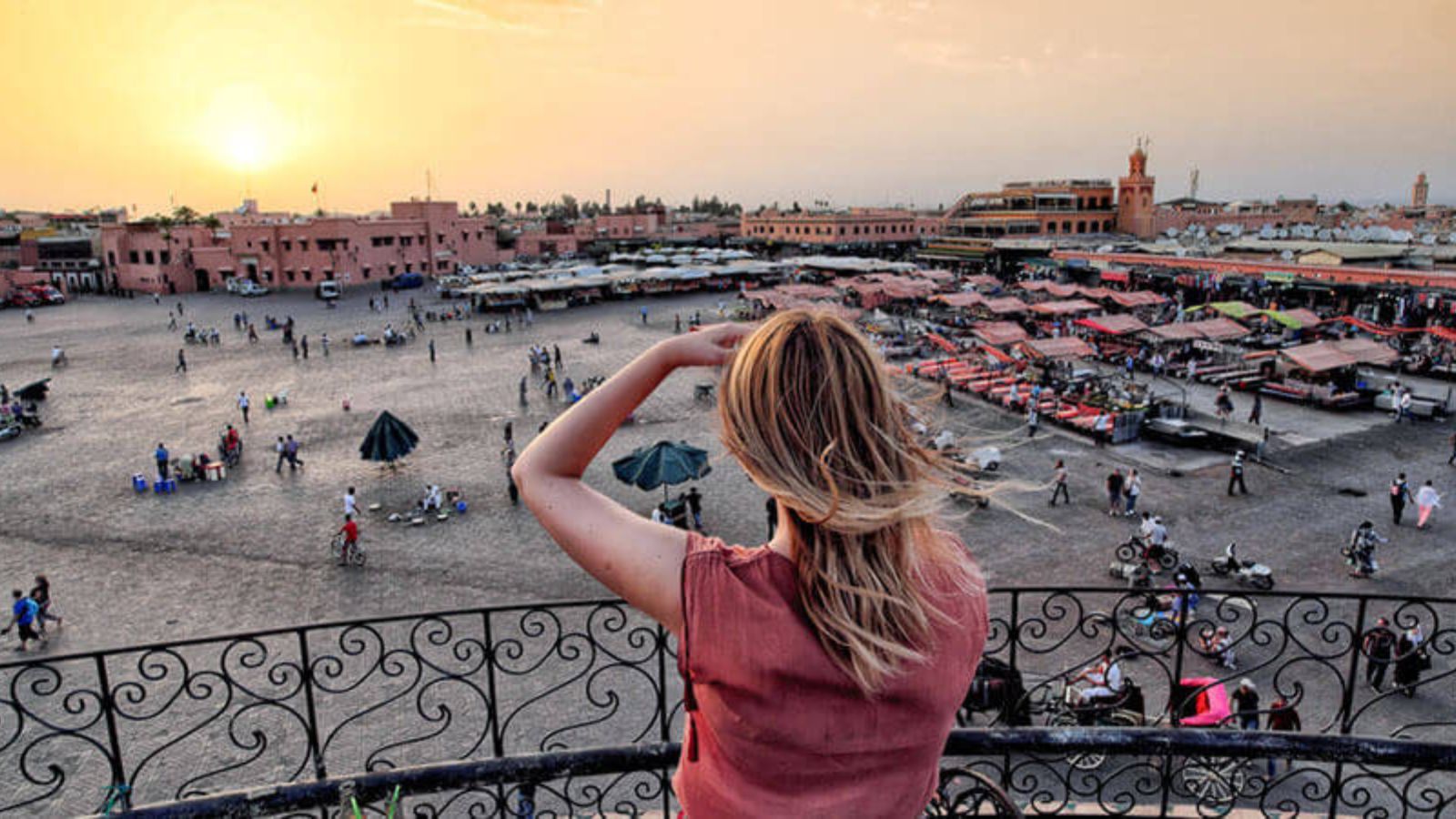
In today’s world, it’s hard to deny that tourism has become a thriving industry, one that often capitalizes on human suffering. Take, for example, the growing trend of slum tourism in areas of extreme poverty. In cities like Mumbai, Rio de Janeiro, and Johannesburg, tours are offered that guide visitors through some of the world’s most impoverished neighborhoods.
While these tours are sometimes marketed as opportunities to raise awareness and promote social good, they also raise ethical concerns. The unsettling part is that, in some cases, poverty has been commodified, turning the lives of people who are struggling into a form of entertainment for outsiders. This phenomenon can be seen as exploitative, as it reduces real human suffering to a spectacle.
What’s worse, it often involves tourists taking pictures, buying souvenirs, and leaving without any meaningful engagement with the community. While some of these tours may genuinely aim to educate people about poverty and social inequality, there is an undeniable discomfort in turning someone else’s hardship into a marketable experience.
Disasters Become Tourist Destinations
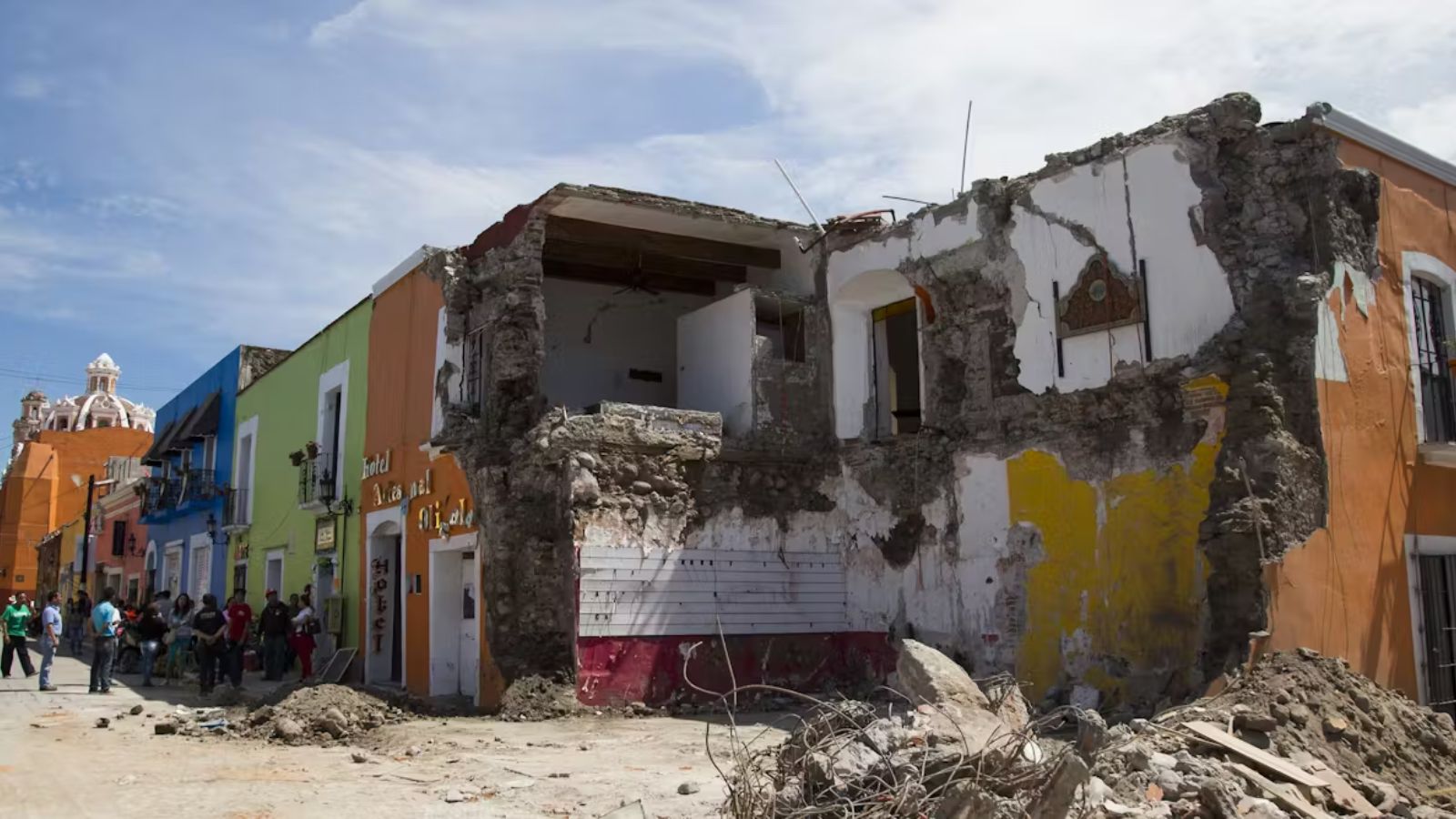
Disasters, whether natural or man-made, often result in a flood of media coverage and public interest. It’s strange, then, how quickly these tragic sites transform into tourist destinations. Consider Chernobyl, a place where a nuclear disaster occurred, leaving behind a legacy of radiation, death, and environmental devastation. Today, it’s a location where people pay to take guided tours.
Similarly, New Orleans, in the wake of Hurricane Katrina, saw a rise in tours that took visitors through neighborhoods still grappling with the storm’s aftermath. What’s unsettling about this rapid transformation is the apparent disconnect between the immediate human suffering and the commercialization of those sites.
The rush to profit from disaster zones may seem jarring to some, as it often reduces immense human pain to something that can be experienced through a camera and a tour guide. It raises a difficult question: When does the desire to witness history up close cross the line from respectful remembrance to exploitative voyeurism?
Most Tourists Don’t Realize They’re Engaging in Dark Tourism
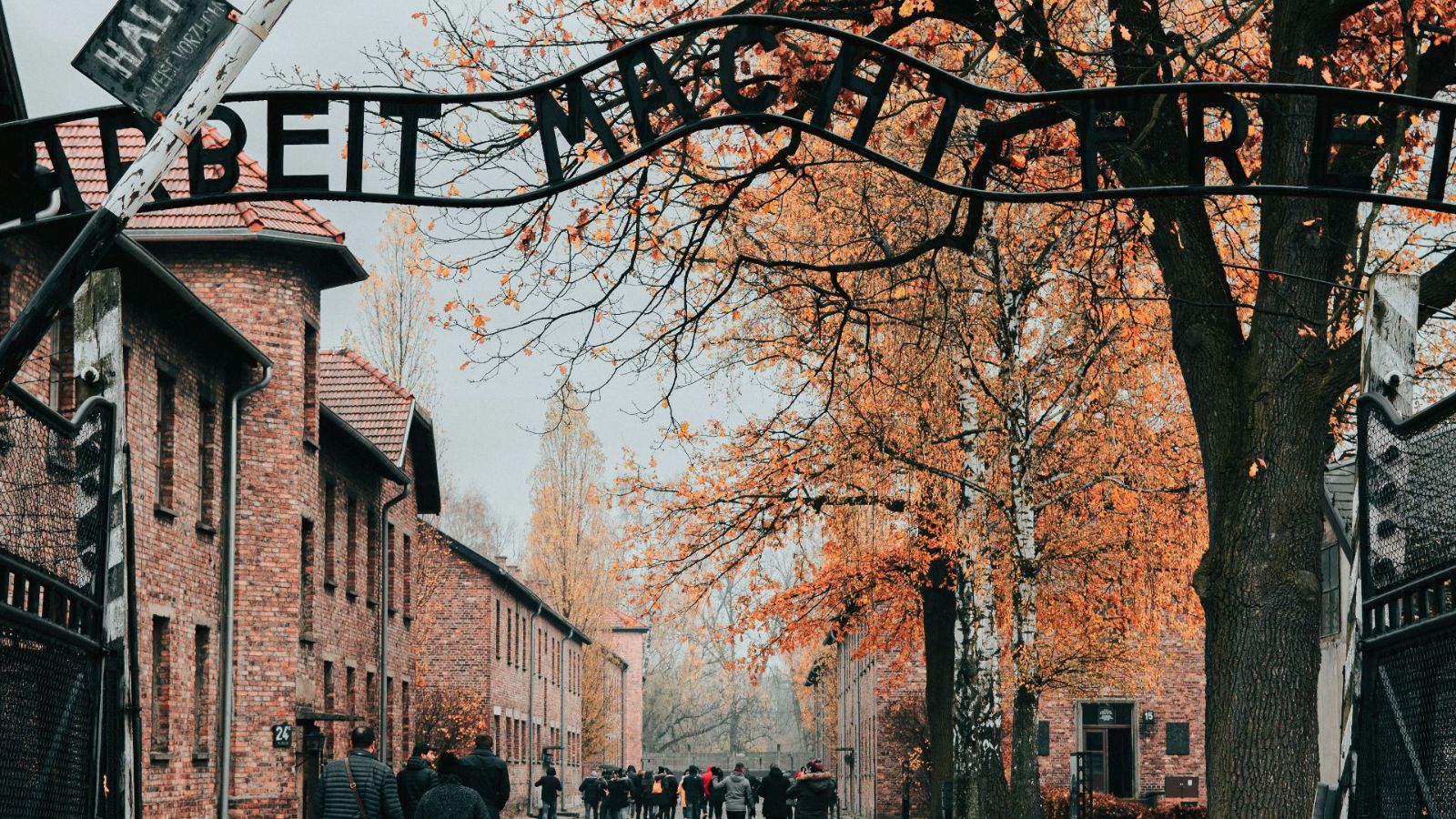
One of the most unsettling aspects of dark tourism is that many people don’t even realize they’re participating in it. They might visit places like the Auschwitz concentration camp or the Anne Frank House with the intention of learning about history, paying respects, or remembering the victims of horrific events. But these are still sites of immense suffering, and dark tourism scholars often categorize them as part of the phenomenon.
The lack of awareness about dark tourism adds another layer of complexity to the issue. For many, these locations are seen as educational or memorial sites, not as “tourist attractions” in the traditional sense. But the fact remains that people are still visiting these sites for a combination of reasons: to learn, to remember, or simply out of curiosity.
This raises ethical questions about how we engage with painful history and whether our presence at such sites truly honors the victims, or simply consumes their suffering for our own benefit.
The Fine Line Between Education and Exploitation
The line between education and exploitation is one of the most difficult to navigate in dark tourism. There’s a world of difference between visiting a site to learn about its historical significance and visiting simply to gawk at the tragedy. The purpose of the visit can shape the entire experience, but the difficulty lies in determining how much is driven by genuine education and how much by curiosity, even if it’s a morbid one.
This issue becomes especially pronounced at sites that were once the backdrop for significant human suffering. Concentration camps, for instance, are sites of extreme horror, and it is crucial to approach them with respect.
But there’s a risk that they may become turned into spectacles, where visitors leave with nothing more than a passing moment of reflection or, worse yet, simply a selfie for their social media feed.
The Safety of Distance Creates a Strange Fascination
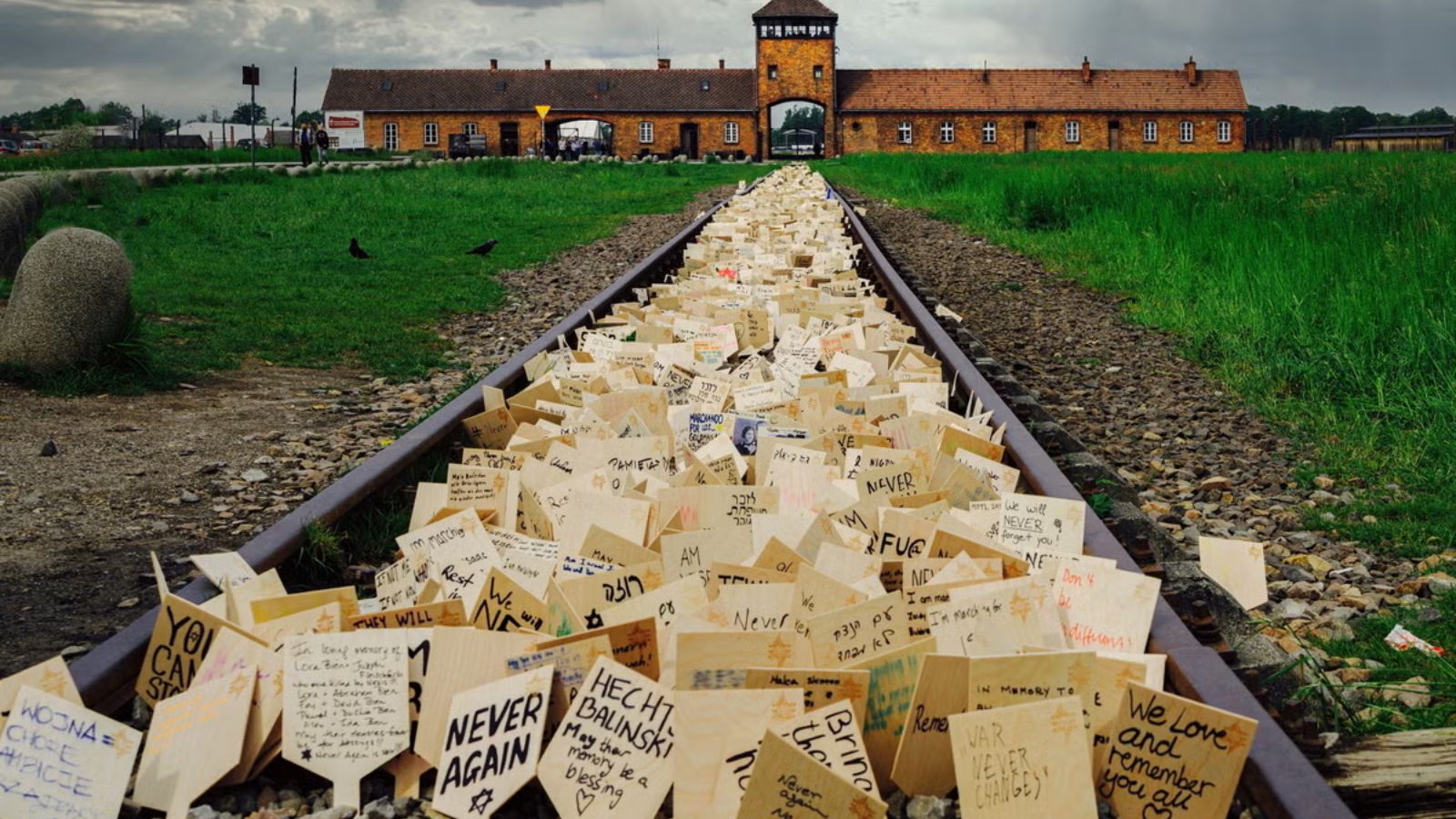
One reason why dark tourism feels so pervasive is that it allows people to experience the horrors of history from a safe distance. Visitors to places like war zones or disaster sites often do so within the comfort of organized tours that are designed to keep them away from danger. This carefully managed safety creates an unusual disconnect between the tourists and the traumatic events that occurred at these sites.
This feeling of distance, both physical and emotional, is part of what makes dark tourism so oddly appealing for some. They can witness history, walk through areas where human suffering unfolded, and yet remain untouched by the grief and destruction that occurred there.
It’s a paradox—by visiting a site of tragedy, people are often distanced from the very pain that makes these locations meaningful in the first place.
Profit and Morality Can Mix Uneasily
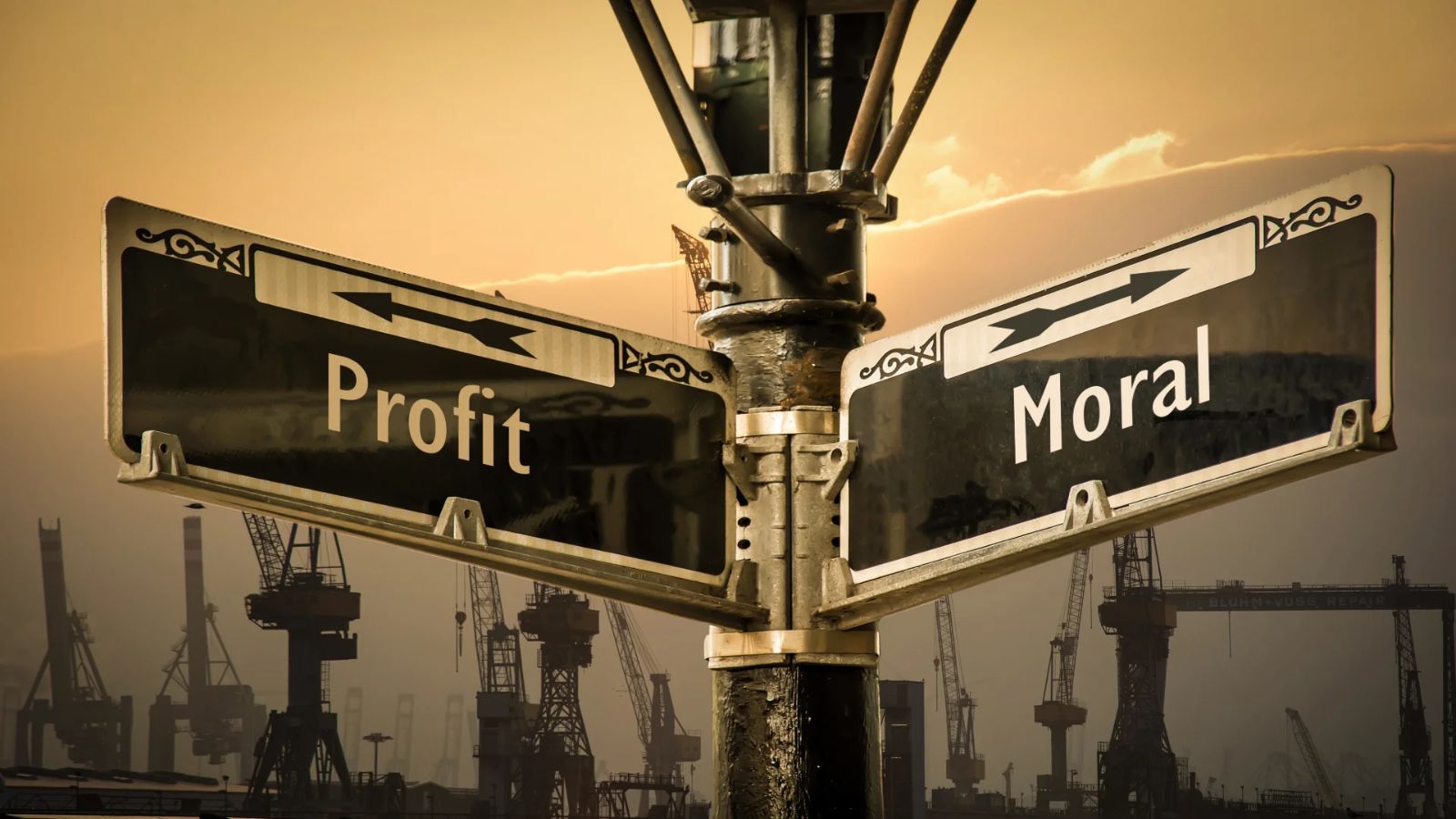
As with most forms of tourism, once there’s a demand, there’s usually someone ready to meet it. The commercialization of dark tourism is an uncomfortable reality. Tours, merchandise, hotels, and themed events are all designed to profit from people’s curiosity about death, suffering, and historical trauma.
The fact that this often leads to the commodification of places associated with tragedy raises important moral questions. While some argue that dark tourism can offer educational value, the presence of profit complicates the picture. When a disaster site becomes a moneymaker, it’s hard not to feel that the human suffering that took place there is being used to generate revenue.
The discomfort lies in how easily grief can be commodified, even when the intention behind these sites may still be educational or commemorative.
Conclusion
Dark tourism seems to reveal something difficult about human curiosity. People may want to remember, to learn, to mourn, to bear witness, and sometimes, perhaps, to feel the strange pull of standing near the edge of horror without falling into it themselves. That is what makes the subject feel so thought provoking.
It is not simply about grim destinations. It is about the uneasy space where empathy, history, fascination, and commerce meet, and where our reasons for looking may be more complicated than we would like to admit.


