


This article was originally published on Crafting Your Home. A human contributor also wrote and edited the post.
For Americans living, working, or traveling across the Middle East, a trip home can quickly become a race against canceled flights, closed airspace, and shrinking consular options. U.S. embassy warnings deserve attention before an airport departure board turns red.
The U.S. State Department urged American citizens in 14 Middle Eastern countries to leave using available commercial transportation because of serious safety risks. The March 2026 warning covered Bahrain, Egypt, Iran, Iraq, Israel and the Palestinian territories, Jordan, Kuwait, Lebanon, Oman, Qatar, Saudi Arabia, Syria, the United Arab Emirates, and Yemen.
We should not read that list as proof that every street carries the same danger. Instead, read it as a warning that regional conflict can disrupt aviation, borders, communications, and diplomatic services far beyond the places where fighting begins.
The 14 Countries Included in the U.S. Departure Warning

The State Department’s regional guidance directs Americans to follow alerts from the nearest U.S. embassy or consulate. Its Middle East page includes Bahrain, Egypt, Iran, Iraq, Israel, the West Bank and Gaza, Jordan, Kuwait, Lebanon, Oman, Qatar, Saudi Arabia, Syria, the United Arab Emirates, and Yemen.
Commercial hubs can remain outwardly calm while airlines reduce service, governments restrict airspace, and embassies cut operations. So the warning reached beyond countries experiencing direct conflict and included major destinations used for tourism, employment, international business, and connecting flights.
In March 2026, the State Department said more than 17,500 Americans had returned to the United States from the Middle East within several days. It also said a 24-hour task force had assisted nearly 6,500 Americans with security guidance and travel support.
A Departure Alert Is Not the Same as a Level 4 Warning
Travelers can confuse an embassy security alert with the State Department’s four-level advisory system. The two can overlap, but they do not always mean the same thing.
Level 1 means normal precautions. Level 2 calls for increased caution. Level 3 advises Americans to reconsider travel, while Level 4 tells them not to travel or to leave as soon as it is safe because life-threatening risks may exist and U.S. assistance may be severely limited.
Several countries covered by the regional message carry Level 4 warnings, including Iran, Iraq, Lebanon, Syria, and Yemen. Others have lower nationwide ratings but contain areas with stricter restrictions. For example, Saudi Arabia is rated Level 3, while the border region near Yemen is Level 4.
That is why we should read the full country advisory. A nationwide rating may not reflect the danger around a border, military facility, airport, protest site, or active conflict zone.
Why Americans Are Told to Leave While Flights Still Operate
The phrase “use available commercial transportation” signals that Americans should leave while ordinary routes remain open, rather than assuming the U.S. government will later provide a direct evacuation.
The first major problem may not be an attack near a traveler’s hotel. Instead, it may be an airline suspension, airspace closure, crowded land crossing, or shortage of seats. Once those routes narrow, departure can become expensive, uncertain, or impossible.
The State Department has arranged charter flights during major disruptions, but government-supported transportation is not guaranteed. In March, emergency funding was authorized for evacuation flights, and officials said most Americans returning home had used commercial options.
An ordered departure for embassy employees also does not guarantee an evacuation for private citizens when non-emergency diplomatic personnel leave; passport and consular services may become limited precisely when demand is rising.
Iran, Iraq, Lebanon, Syria, and Yemen Carry the Gravest Warnings
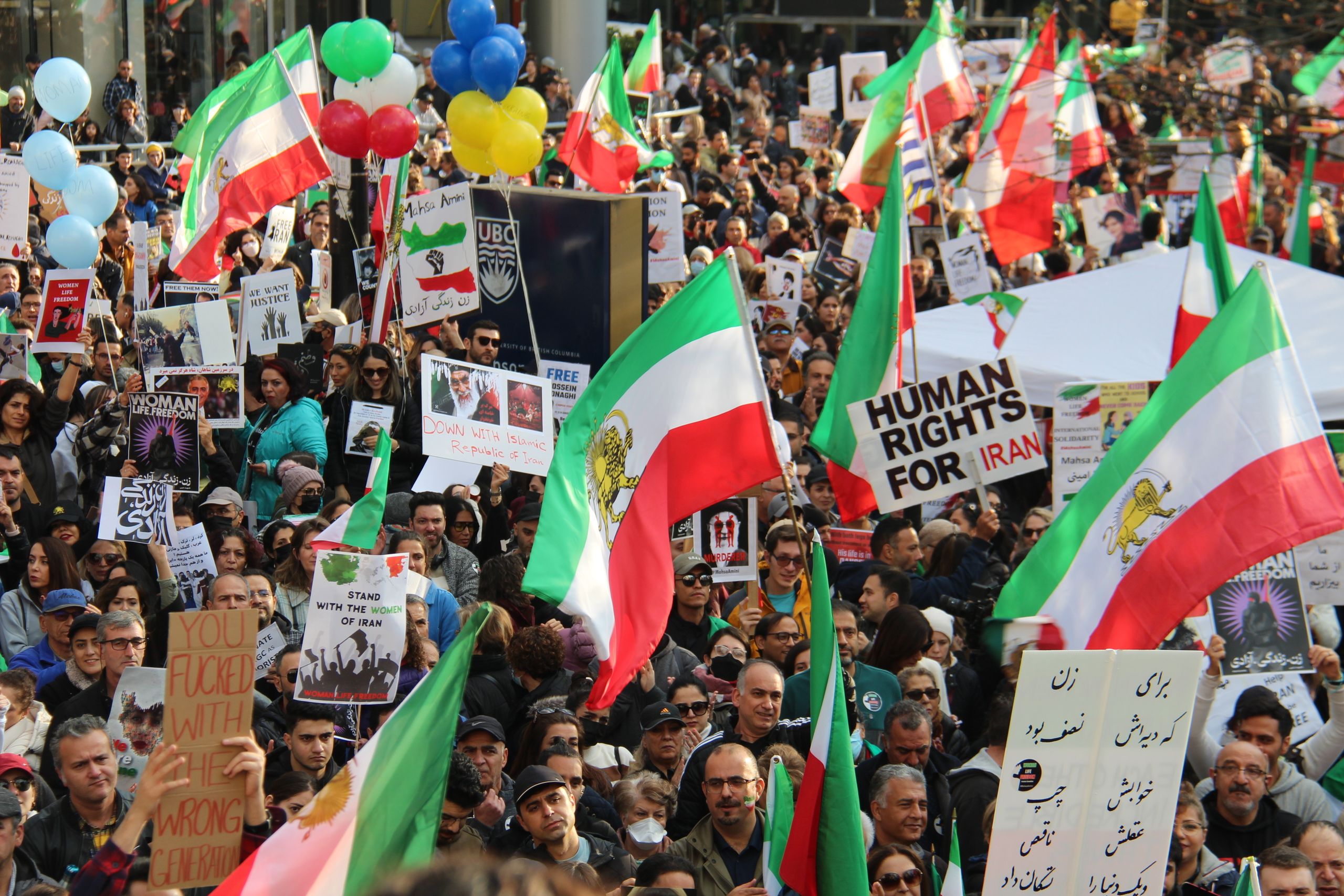
Iran’s Level 4 advisory reflects unrest, terrorism, kidnapping, wrongful detention, and limited U.S. consular support. The absence of normal U.S. embassy operations makes an emergency especially difficult for Americans, including dual nationals.
Iraq’s warning highlights terrorism, kidnapping, armed conflict, and missile, rocket, or drone attacks. Hotels, transportation hubs, diplomatic facilities, and other places associated with foreigners can face heightened risk.
Lebanon, Syria, and Yemen remain particularly dangerous because conflict can combine with weak infrastructure, kidnapping threats, unexploded weapons, and limited diplomatic access. Even an illness, lost passport, or missed flight can become a serious crisis.
These warnings measure the risks facing U.S. citizens and the government’s ability to help when transportation, medical systems, or diplomatic channels break down.
Gulf Destinations Are Not Immune From Regional Spillover
Bahrain, Kuwait, Oman, Qatar, Saudi Arabia, and the United Arab Emirates are major aviation, energy, and business centers. Their airports connect passengers traveling between Asia, Africa, Europe, and the United States.
That connectivity creates vulnerability during a wider conflict. As a result, missile and drone threats, military activity, or airspace restrictions can affect routes even when a traveler is hundreds of miles from an active battlefield.
Saudi Arabia’s advisory cites armed conflict, terrorism, missile and drone risks, exit bans, and restrictions linked to local laws. It advises Americans to reconsider travel nationwide and to avoid the Yemen border.
A modern airport, luxury hotel, or familiar American brand cannot guarantee normal conditions. Security can change faster than tourism infrastructure can respond.
What Americans in the Region Should Do Now
Americans who receive a departure alert should confirm it through the State Department and relevant embassy. They should then check flights directly with airlines, review land-border rules, and verify that any transit country will admit them.
Travelers should enroll in the Smart Traveler Enrollment Program, known as STEP. The service sends security alerts and helps U.S. officials contact citizens during a crisis. The State Department continues to recommend STEP enrollment for Americans seeking security information across the Middle East.
Passports, visas, medications, cash, charging equipment, and copies of essential records should remain accessible. Family members should know the route, destination, and backup plan.
Those who remain should follow local instructions, avoid demonstrations and sensitive facilities, monitor transportation changes, and identify a secure place to shelter. They should not travel to an embassy unless officials direct them to do so.
The central lesson is simple: a warning to leave is most useful before the final safe route disappears. So when embassies urge Americans to depart, the better decision is made while flights are still moving, borders are still open, and travelers still have choices.
If you like what you just read, then subscribe to our newsletter and follow us on social media.


