
This article was originally published on Crafting Your Home. A human contributor also wrote and edited the post.
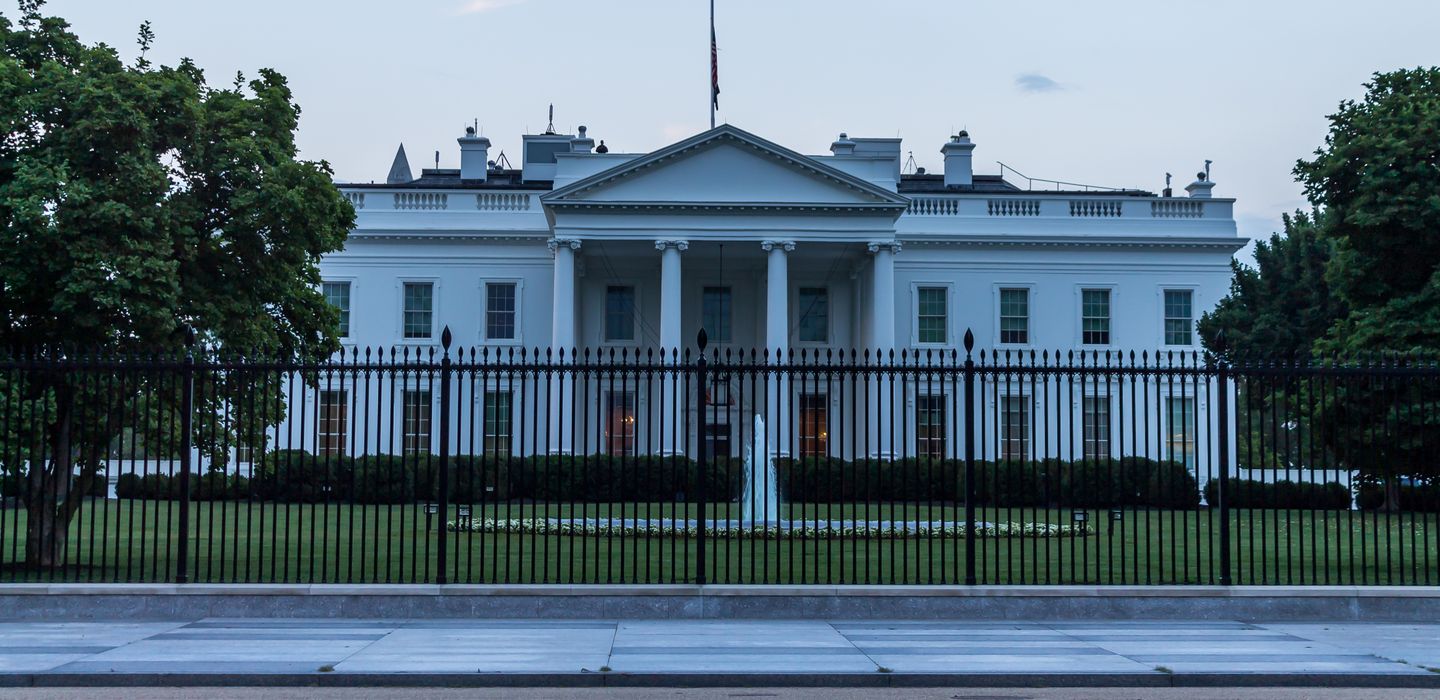
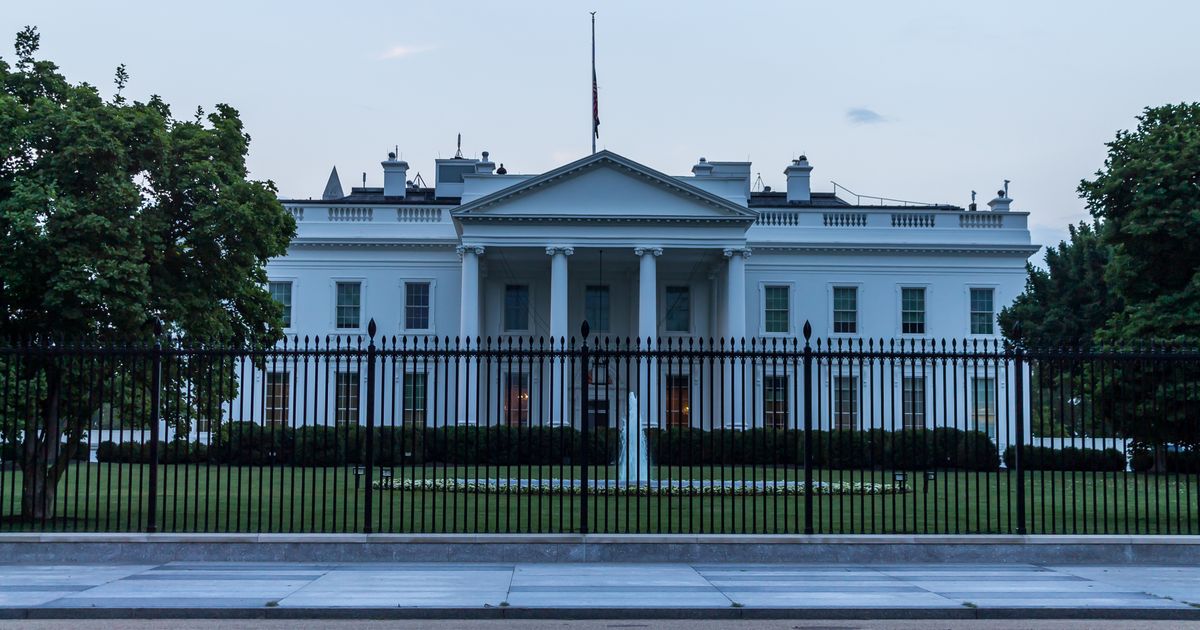
President Donald Trump’s plan to transform part of the White House complex with a massive new ballroom has hit a major obstacle after a federal appeals court blocked the project from moving forward without additional approval.
The decision places one of the Trump administration’s most ambitious White House renovations in legal limbo. It raises a broader question about the limits of presidential authority over one of America’s most recognizable landmarks.
The proposed ballroom was designed to provide the White House with a permanent space for large official gatherings. Still, the project has sparked a fierce debate over historic preservation, government oversight, and whether a president can make sweeping changes to federal property without congressional involvement.
While the ruling does not permanently end the project, it prevents construction from advancing as the legal fight continues.
Court challenges Trump’s authority over White House changes.

The heart of the legal battle is not simply about a ballroom, but about who has the power to reshape the White House.
A federal appeals court ruled that major structural changes to the White House complex require approval beyond the president’s authority alone.
The judges focused on the argument that the White House is not a private residence or personal property of the person occupying the Oval Office. Instead, it is a historic federal building owned by the American public and protected by government rules designed to preserve its character.
The Trump administration defended the project as a necessary improvement. Officials argued that the White House has long faced challenges when hosting large events, with limited indoor space forcing planners to rely on temporary structures.
The proposed ballroom was intended to provide a permanent solution for state dinners, diplomatic receptions, ceremonies, and other major gatherings.
Supporters of the project said the addition would modernize the White House while allowing officials to accommodate visiting leaders and large delegations better.
Opponents saw the issue differently. They argued that the scale of the changes required a more extensive review process because the White House grounds carry historical significance that extends beyond any single presidency.
The court ultimately focused on the legal process behind the project rather than whether the ballroom itself was useful or desirable.
A renovation project becomes a national political fight.
What started as a construction proposal quickly became a debate over presidential power and the future of a historic symbol.
The White House has undergone renovations throughout American history. Presidents have updated offices, improved infrastructure, and adjusted spaces to meet changing needs.
But the scale of the ballroom project made it different from many previous improvements.
The plan involved a significant redesign of the White House grounds, raising questions about how much freedom a sitting president should have when altering a building that represents the entire country.
Critics argued that allowing one administration to make major permanent changes without broader approval could set a precedent for future presidents.
They warned that historic landmarks require careful oversight because decisions made today could affect the appearance and function of those sites for generations.
Supporters countered that the president needs flexibility to manage the executive residence and ensure it can meet the demands of modern government.
They argued that the White House must continue evolving to serve its role as both a workplace and a venue for national and international events.
The disagreement turned the ballroom into a symbol of a much larger political argument about executive authority.
Construction work puts spotlight on the White House’s future.
The legal battle intensified after preparations for the project moved beyond the planning stage.
Once physical changes began, the debate became more urgent because opponents argued that reversing the work could become increasingly difficult if construction continued.
The dispute highlighted the challenge of balancing modernization with preservation.
The White House is both an active government facility and a historic site visited by millions of Americans. Every renovation decision must consider security needs, operational demands, and the responsibility of protecting a national symbol.
The ballroom project brought those competing priorities into direct conflict.
The administration maintained that the expansion would help the White House function more effectively in the modern era.
Critics argued that efficiency alone should not determine decisions involving historic federal property.
The court’s decision temporarily shifted the momentum away from construction and back toward the legal process.
Trump administration faces critical next steps.
The ruling leaves the White House with difficult choices as officials consider how to move forward.
The administration could continue fighting the decision through additional legal appeals, potentially asking a higher court to review the case.
A future ruling could determine whether presidents have broad authority to make major changes to federal properties under their control or whether Congress must approve large-scale transformations.
The outcome could have consequences beyond this specific ballroom project.
Future administrations may look to the case as a guide when considering renovations, expansions, or major changes to historic government buildings.
For now, the ballroom remains uncertain.
The project has moved from a construction plan into a larger national conversation about power, preservation, and the responsibilities that come with occupying the White House.
The legal fight is not only about adding a new room to an old building. It is about deciding how much control any president should have over a place that belongs to the nation as a whole.