


The post Trump Canada Trade War Could Hit These 5 States the Hardest, Expert Says, first appeared on Crafting Your Home.
A trade dispute between the United States and Canada is moving beyond government offices and into the factories, farms, and supply chains that connect the two countries.
Canada’s retaliatory tariffs are now targeting billions of dollars in U.S. goods, and some states could feel the effects more than others. Trade analyst Eric Clement identified Ohio, Illinois, Michigan, Pennsylvania and Wisconsin as among the states most exposed because of their exports to Canada and the types of products included in Canada’s tariff response.
For workers, businesses and communities in these states, the concern is not just about international trade numbers. It is about the products made locally, the companies that rely on Canadian customers, and the supply chains that stretch across the border.
Why This Trade Fight Matters Locally
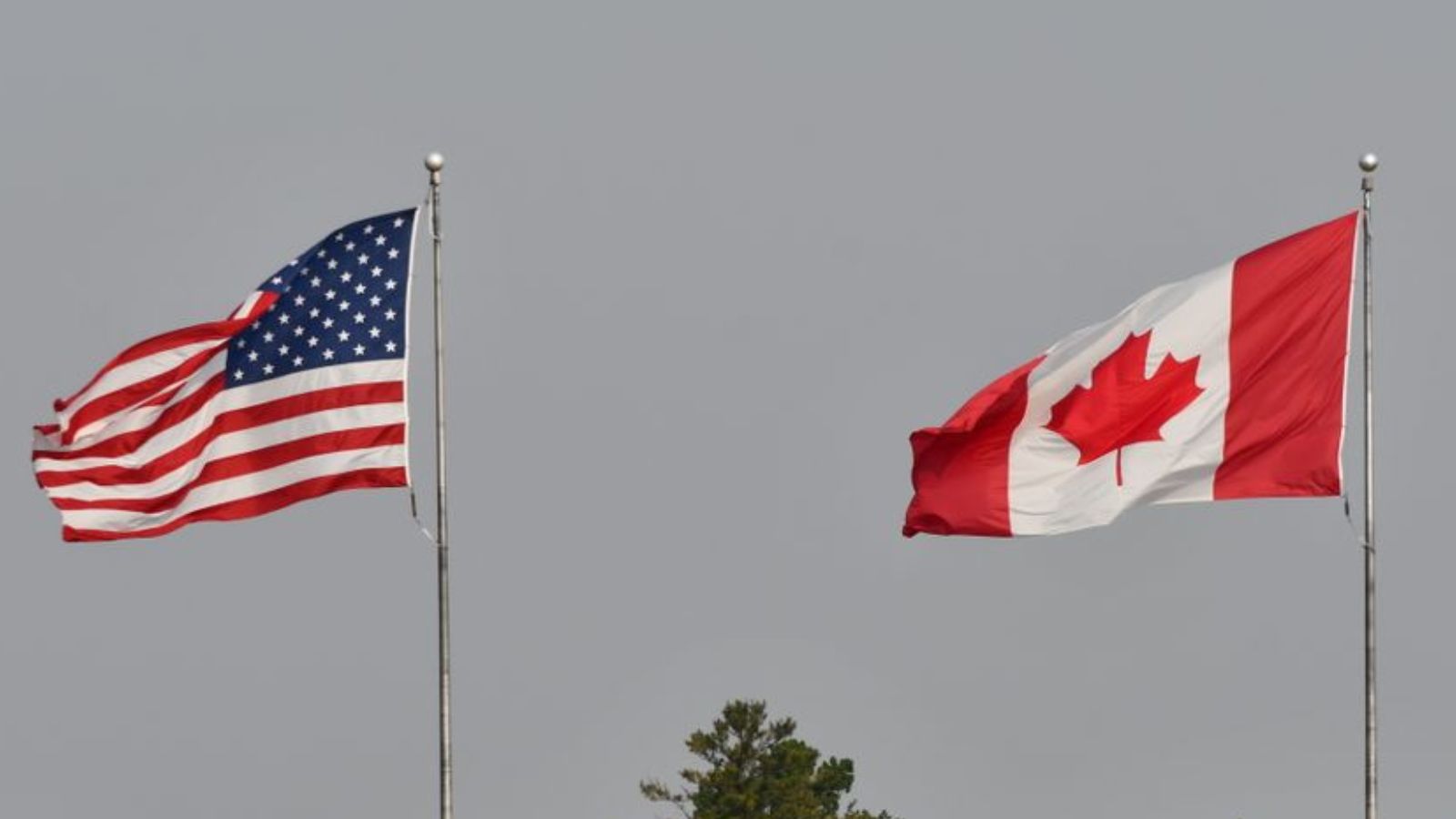
Canada is one of the largest trading partners for the United States, and it is the top foreign buyer of exports from 26 U.S. states. That means a dispute between two governments can quickly become a local economic issue.
Canada’s counter-tariffs took effect on September 8 and apply to about $20 billion in U.S. goods, according to reporting included in the brief. The targeted categories include steel, aluminum, dairy products, household appliances, agricultural equipment, pulp and paper, plastics, electronics and other manufactured goods.
The impact will not look the same everywhere. A state’s overall trade relationship with Canada matters, but so does what that state exports and whether those products appear on the tariff list.
Ohio

Ohio is among the states identified as particularly vulnerable by Eric Clement, who estimated that roughly $2.2billion in Ohio exports to Canada could be exposed to the counter-tariffs.
The state’s exposure is connected to manufacturing and industrial supply chains. For communities built around factories, suppliers, and production networks, changes in cross-border trade can affect more than the companies directly involved.
The concern is that a trade dispute can reach the smaller businesses and workers connected to larger industrial systems.
Illinois
Illinois is another state highlighted by Clement as having significant exposure.
The state’s connection to Canada includes machinery, equipment, industrial products, food goods, and materials that support manufacturers and exporters.
For Illinois businesses, the effect may not come from one recognizable product or company. Instead, it may appear across networks of specialized manufacturers and suppliers that depend on international customers.
Michigan
Michigan may offer one of the clearest examples of how closely tied some U.S. industries are to Canada.
The state exported about $23.6 billion in goods to Canada over the past year, and one analysis found nearly $1.5 billion of Michigan exports fell into categories included on Canada’s tariff list.
The state’s automotive relationship with Canada is especially important because vehicles and parts often move through cross-border supply chains.
As the brief notes, “the border is not merely a line on a map, it is part of the auto industry’s production floor.”
That means tariffs can affect costs and decisions at multiple points in a production process rather than only at the final product stage.
Related: 10 U.S. Cities With the Highest State and Local Tax Burdens
Pennsylvania
Pennsylvania is another state identified as vulnerable.
Eric Clement estimated that just under $1.8 billion in Pennsylvania exports to Canada could be at risk. About 25% of the state’s exports go to Canada, with much of that trade involving machinery and equipment.
The state shows how trade disputes can affect communities far from the border. Manufacturing companies and suppliers across Pennsylvania can still be connected to international markets through the products they make.
Wisconsin
Wisconsin’s exposure comes through both manufacturing and dairy-related trade.
Canada’s tariff list includes dairy products, and reporting cited in the brief estimates that roughly $1.4 billion in Wisconsin exports to Canada could be affected.
The dairy connection gives the trade dispute a direct local angle, linking international policy decisions to industries that are part of everyday communities.
Related: 10 U.S. Cities Where Residents Die Younger Than They Should
Why the Products on the Tariff List Matter
Trade exposure is not only about how much a state sells to Canada. It is also about what those exports include.
A state may have a large trading relationship but face less immediate pressure if its products are not part of the targeted categories. Another state with fewer exports could face greater challenges if its industries match the products Canada is targeting, such as steel, machinery, aluminum, dairy, or industrial equipment.
North Dakota offers an example of why the details matter. The state has strong dependence on Canadian trade when fuel is excluded, but some agricultural products, including soybeans and wheat, were reported as exempt from Canada’s new tariffs.
What Happens Next
The effects of the tariff dispute will depend on how businesses respond, how trade relationships adjust, and whether the affected industries experience changes in orders, costs, or production.
For local communities, the biggest questions are practical ones:
Will companies face higher costs?
Will export demand change?
How will manufacturers, farmers and suppliers adjust?
The answers will likely vary by industry and state.
For now, the trade fight is a reminder that international policy decisions often reach much closer to home than headlines suggest. A tariff announced in Washington or Ottawa can eventually show up in a factory order, a supplier contract, or a business decision in communities across America.
Other posts you might like
If you like what you just read, then subscribe to our newsletter and follow us on social media.


