Top 10 Forbidden Foods You Can’t Find in the US
Americans have a deep appreciation for food and embrace rich culinary diversity. Yet, some foods, often fascinating and surprisingly controversial, are banned in the United States, with reasons ranging from health risks to ethics and conservation. The factors behind these bans shape what appears on American tables and reflect regulatory priorities.
Haggis
Haggis, a savory dish hailing from Scotland, is one of the most famous foods that the US has outlawed. This rich, hearty pudding is made from sheep’s heart, liver, and lungs, mixed with oatmeal, onions, and spices, then traditionally cooked in a sheep’s stomach. For many Scots, haggis is a staple of national pride and is served especially during Burns Night celebrations.
However, the US Food and Drug Administration (FDA) has banned this dish since 1971, primarily because it contains animal lungs. While the US allows a wide range of meats, animal lungs pose a risk of diseases, including the infamous “mad cow disease.”
Efforts to lift the ban on haggis have met with little success, despite pleas from the Scottish government and restaurateurs. In short, haggis is not allowed in the US due to health concerns about the use of animal lungs.
The core issue behind the ban is not the flavor or tradition but the health risks associated with consuming animal lungs. Lung tissue can harbor diseases such as tuberculosis and, in rare cases, prion diseases.
The ban on haggis remains a major point of contention for Scottish ex-pats who see the dish as an essential part of their heritage.
Beluga Caviar
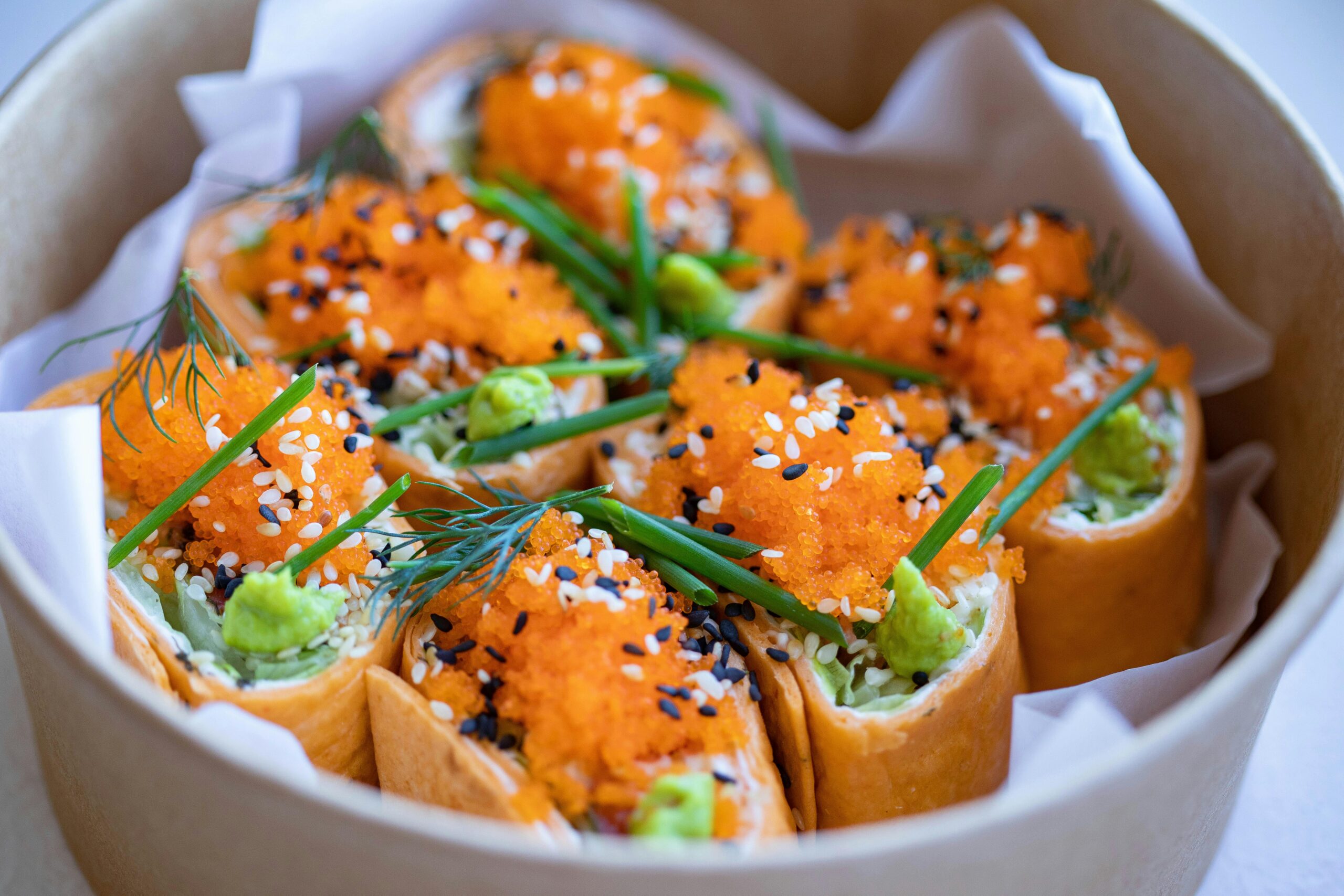
Beluga caviar is widely considered one of the most luxurious foods. Harvested from the eggs of beluga sturgeon in the Caspian Sea, its large, buttery pearls symbolize high-end dining. Yet, despite its reputation, beluga caviar has been banned in the US since 2005.
The ban on beluga caviar is the result of overfishing that has led to a drastic decline in beluga sturgeon populations. With females taking up to 25 years to reach maturity and produce eggs, the species’ slow reproductive cycle made it highly vulnerable to exploitation.
The US accounted for around 60% of global caviar production, contributing to a sharp decline in sturgeon numbers. The takeaway is that protecting the beluga sturgeon prompted the US to prohibit this prized caviar.
Caviar harvesting involves capturing sturgeon, extracting their eggs, and often releasing the fish back into the wild. However, high demand for beluga caviar, especially in upscale markets, has led to unsustainable practices, including illegal poaching.
The international community has acted to restrict beluga sturgeon fishing, and the US ban on beluga caviar is part of global efforts to protect endangered species.
Unpasteurized Milk
Milk is an everyday staple in many households, but when it comes to unpasteurized milk (also known as raw milk), the US has put its foot down. Unpasteurized milk is milk that has not undergone pasteurization, a heat treatment designed to kill harmful bacteria.
While some argue that raw milk has superior taste and nutritional benefits, the FDA prohibits its interstate sale due to health concerns.
Unpasteurized milk can contain dangerous pathogens such as E. coli, Salmonella, and Listeria. These bacteria are especially hazardous to children, the elderly, and pregnant women.
Despite these health concerns, raw milk retains a group of dedicated supporters, and certain states permit its sale in specific outlets.
Advocates of raw milk claim it’s more natural and provides beneficial bacteria and enzymes that are destroyed during pasteurization. Some believe raw milk can help improve digestion, strengthen the immune system, and promote overall health.
However, experts continue to warn that the risks far outweigh the benefits, and the USDA strongly recommends consuming pasteurized milk for safety.
Sassafras Oil
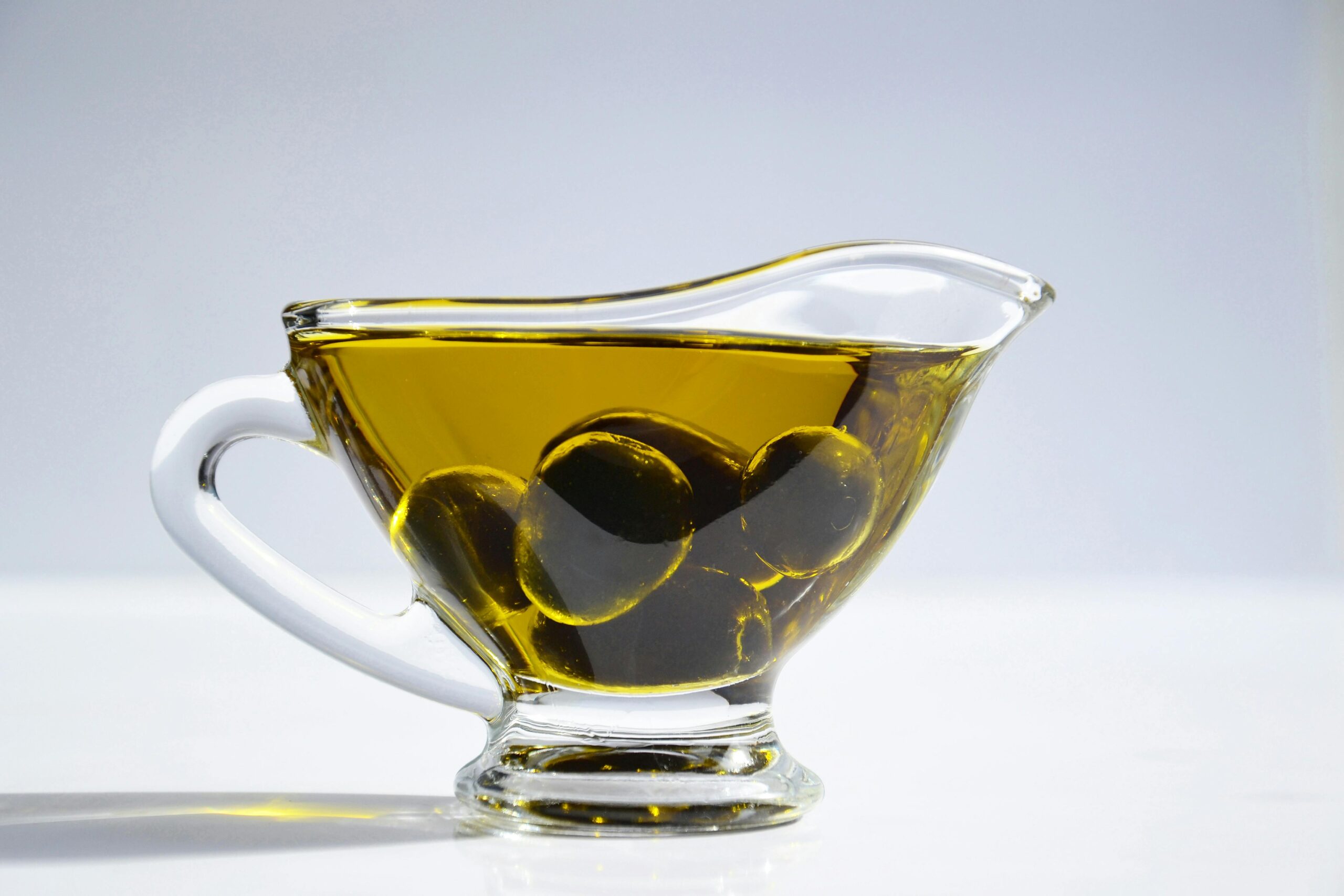
Sassafras oil, derived from the root bark of the sassafras tree, was once a popular ingredient in root beer and traditional remedies. Native Americans used it to treat ailments such as acne, fever, and digestive issues. However, in 1979, the FDA banned sassafras oil due to its potential carcinogenic properties.
The compound safrole, present in sassafras oil, was identified as a carcinogen in animal studies, leading to its removal from approved food products. Today, selling sassafras oil as a food additive or flavoring is prohibited in the US.
While some cultures still use sassafras for medicinal purposes, the risk of poisoning and cancer has overshadowed its popularity. Long-term consumption of safrole has been linked to liver damage and an increased risk of cancer.
While small amounts in some foods may not be harmful, the potential long-term effects have led the FDA to take a strong stance against their use in food production.
Ortolan
The ortolan, a small songbird native to Europe, was once a French delicacy enjoyed by aristocrats. The birds were traditionally eaten whole after being fattened in captivity. Often, diners would consume them beneath a napkin, a gesture meant for privacy.
Ortolan has become a symbol of ethical issues in cuisine due to the methods used in its preparation. The birds are captured with nets, force-fed, and kept in darkness to promote fattening before being drowned in Armagnac (a type of brandy).
These practices caused a significant decline in ortolan populations, leading France to ban both consumption and hunting of the birds in 1999.
The controversial methods used to capture and prepare ortolans have sparked global outrage. The bird’s declining numbers intensified concern and led to continued poaching, even after bans. Consuming or killing ortolan is now illegal in both France and the United States, with strict penalties for violators.
Casu Marzu
Casu marzu, or “maggot cheese,” is a Sardinian delicacy and one of the most unusual foods banned in the US. The cheese is created when flies lay eggs in Pecorino cheese, and larvae help develop its distinct soft texture.
Though casu marzu is a Sardinian tradition, it is banned in the US due to its unpasteurized state and the presence of live larvae. Local fans believe it should be eaten while the maggots are alive, but significant health risks prevent its wider availability.
The US has stringent food safety regulations that require all cheese to be made in sanitary conditions and free from contamination.
The presence of live larvae and the unsanitary conditions under which casu marzu is made make it illegal for sale in the US. However, in Sardinia, this unique cheese remains a highly prized delicacy despite the risks.
Shark Fins

Shark fin soup is considered a delicacy in many parts of Asia, with shark fins sought for their purported health benefits. However, the practice of shark finning, cutting off a shark’s fins and discarding the body, has led to the rapid decline of shark populations globally.
In response to the growing concerns about shark conservation, the US has made shark finning illegal. The ban aims to protect shark species from overexploitation and prevent the wasteful practice of discarding the rest of the animal. The main goal is to support shark populations and sustainable ecosystems.
Sharks are essential to marine ecosystems, and their declining numbers threaten ocean health. The US ban on shark fin sales aims to reduce demand and promote sustainable fishing practices.
Ackee Fruit
The ackee fruit, native to West Africa and a staple of Jamaican cuisine, is banned in the US unless properly processed. When consumed improperly, ackee can cause Jamaican vomiting sickness, which can lead to nausea, vomiting, and even death.
The fruit contains toxins that are neutralized only when it ripens and the pods open naturally. The FDA allows the import of canned or frozen ackee, but the sale of fresh ackee remains prohibited due to the risks associated with improper preparation. The ban is to prevent poisoning from unripe ackee.
The danger lies in the fruit’s unripe state, when it contains high levels of toxins that can cause severe illness. Once the fruit ripens and the pod opens naturally, it becomes safe to eat.
However, since most ackee sold in the US is imported from Jamaica, the risk of improperly prepared fruit has led to the ongoing ban.
Mirabelle Plums

The Mirabelle plum, a sweet and flavorful fruit, is a regional delicacy in France. It’s primarily grown in Lorraine, where it has been protected under a geographical indication since 1996.
As a result, the Mirabelle plum is considered a high-quality product and is difficult to import into the US due to its protected status.
While Mirabelle plums are not dangerous, their protected status and rarity in the US mean few Americans have the chance to try them.
The rarity of Mirabelle plums in the US is largely due to the difficulty of legally obtaining them. Since plums are protected under French regulations, their export outside the EU is restricted.
The US has strict regulations about importing fruits from abroad, and the Mirabelle plum’s protected status makes it one of the rarest fruits to find on American shores.
Kinder Surprise Eggs
Kinder Surprise Eggs are beloved candy worldwide, but the US has banned them since 1938. The chocolate eggs contain a toy inside, and this combination of candy and non-nutritive objects violates US food safety laws.
Despite the ban, Kinder has introduced a modified version called the Kinder Joy, which separates the toy from the chocolate, making it compliant with US regulations.
The 1938 law prohibits the sale of candy that contains non-food items, such as toys, for safety reasons. Children have been known to choke on small toys found in candy, which led to the ban.
However, Kinder Joy offers a solution that allows US consumers to enjoy a similar treat without violating safety regulations.
Conclusion
The US has a complex food regulatory system, designed to protect consumers from harmful ingredients, unsustainable practices, and unethical treatment of animals. While many of the foods on this list are beloved in their countries of origin, their bans in the US reflect deeper concerns about health, safety, and environmental conservation.
Though some may argue that these bans are too strict or culturally insensitive, the underlying principle is to prioritize public health and sustainability.
Whether it’s the preservation of endangered species, the prevention of foodborne illnesses, or the promotion of ethical practices, these bans highlight important conversations surrounding food culture and safety.
As global markets and food systems continue to evolve, it’s possible that some of these banned foods could return to the US in a safer, more sustainable form. Until then, these forbidden delights will remain a curiosity for many.
Read the original article on crafting your home