4 Things You Should Never Throw Away After Losing a Loved One

Image Credit: MART PRODUCTION via pexels
Losing someone close to you is an experience that reshapes everything. In the midst of grief, the natural inclination may be to clear out spaces, pack up belongings, and remove physical reminders of the person who has passed. This impulse to declutter is understandable, but there are certain items you should never throw away.
These seemingly insignificant objects can carry deep emotional significance, serving as lasting reminders of those you’ve lost.
Here are four things that should be preserved as they hold the power to comfort and connect you with your loved one long after they are gone.
Photos, Videos, and Recordings
Photographs capture fleeting moments of joy, but they also preserve the emotions and experiences tied to them. When a loved one passes, photos and videos become even more valuable. While photographs freeze a moment in time, videos and recordings preserve the nuances of their voice, laugh, and energy, providing a tangible connection that will always remain.
These keepsakes can bring a sense of solace during moments of profound grief. You may want to revisit them when the pain feels too overwhelming, or on anniversaries when you feel the need to reconnect. Consider organizing them into albums or digital slide shows to celebrate the life they lived. These creations can provide comfort and help you celebrate their legacy long after their passing.
The feeling of nostalgia and the joy of seeing someone’s face, hearing their voice, or recalling the shared experiences from a photograph can be incredibly healing. Rather than discarding these mementos, cherish them as precious links to your loved one’s story.
Handwritten Letters and Cards
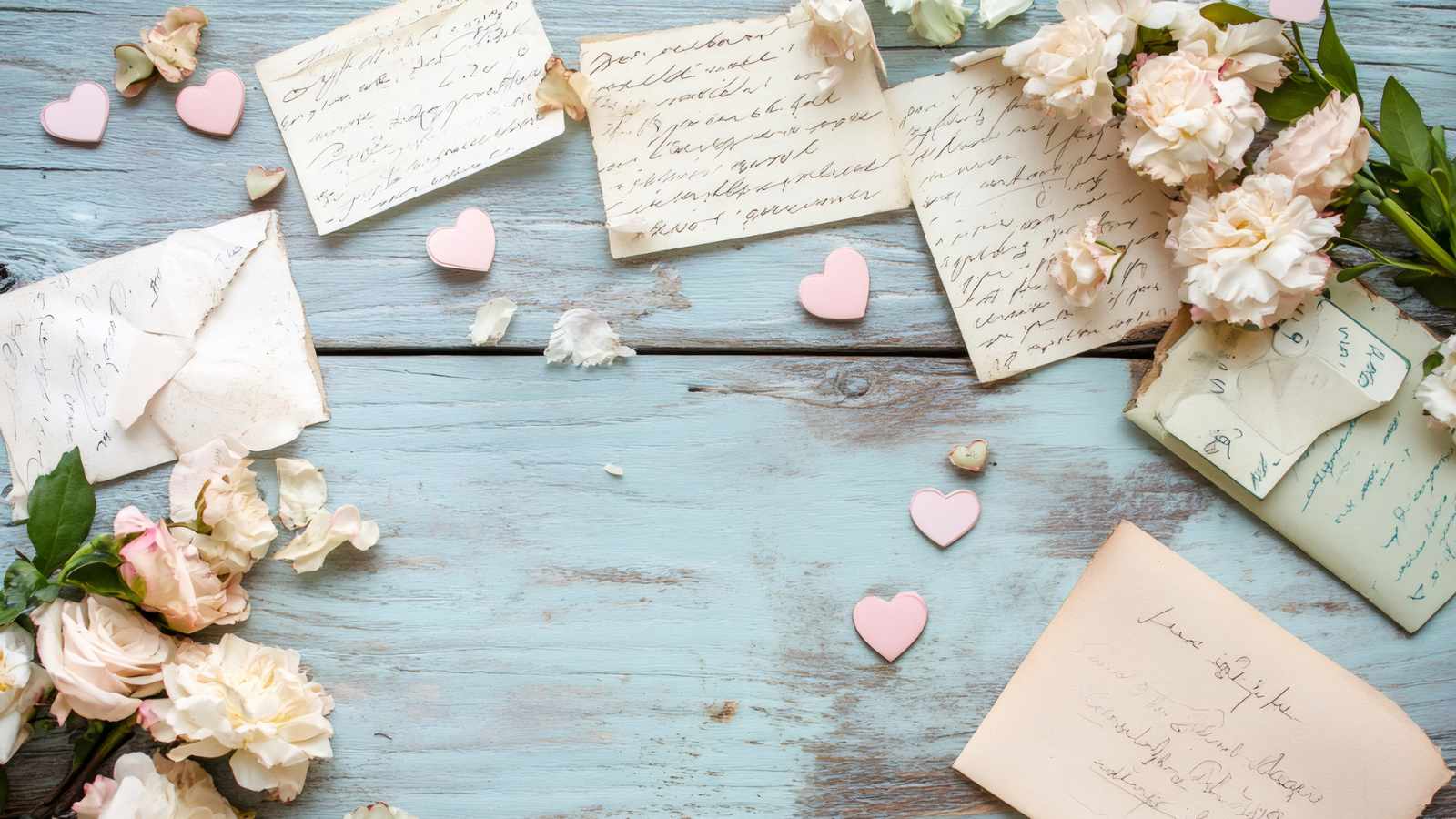
One of the most comforting ways to reconnect with a loved one is through their words. Handwritten letters, birthday cards, or even simple notes jotted down for daily communication are often overlooked in the rush of everyday life. Yet, after a loss, these items take on profound meaning.
There is something deeply personal about the handwriting of a loved one. It’s as if their presence lingers on in each curve of the letters, every word carrying their essence. These handwritten pieces can evoke memories of conversations, inside jokes, and shared experiences.
Instead of discarding these emotional tokens after a loss, store them safely in a box or folder. Over time, these cards and notes will become treasured keepsakes, reminders of the bond you shared. For example, the sound of their voice may fade with time, but the sight of their writing will continue to evoke the comforting memories of their presence.
Belongings They Touched
We often associate the most personal connection with the things a loved one used daily: the watch they wore every morning, the necklace they cherished, or the pair of shoes they always wore. These ordinary objects, though seemingly small, carry emotional weight.
When grieving, holding or using something they once touched can be incredibly grounding. It’s a way of feeling close to them, a way to remember the quiet, intimate moments you shared. The scent of a jacket, the texture of a book they read, or the feel of a cup they always drank from can trigger memories of daily routines you once shared.
These personal items become extensions of the person you’ve lost. As simple as they may seem now, they may eventually become heirlooms or cherished keepsakes to pass down to future generations. Before discarding them in an attempt to “move on,” consider the emotional connection they hold. They might become an important reminder of the love and connection you still feel.
Important Documents and Personal Records

Amid the emotional fog of grief, paperwork and legal matters may feel overwhelming and distant. You may feel the urge to clear out drawers and remove anything that feels like an inconvenience. However, it’s important to be mindful of the documents you choose to discard.
It’s obvious to keep documents like wills, insurance papers, and property deeds, but there are other, less obvious items that hold immense sentimental value. Old letters, school certificates, military records, and journal entries carry more than just practical information; they tell the story of a person’s life, achievements, experiences, and personal history.
These documents connect generations, offering insights into the person’s journey and providing an invaluable link to family history. These papers may seem like clutter at first, but they can become irreplaceable treasures over time. Before discarding anything, take a moment to consider whether it might hold personal, familial, or historical significance that could become meaningful in the future.
The Smallest Things Can Mean the Most
Grief can cloud our judgment, and in the rush to declutter, we often discard items that, in hindsight, would have been deeply cherished. The belongings of a loved one hold more than just material value; they encapsulate their essence, their personality, and their relationship with you.
During such a vulnerable time, it’s important to allow yourself space to reflect on what truly matters. What may seem like clutter today could become a lifeline to your memories tomorrow. Rather than rushing to clear out the physical remnants of their presence, take a moment to hold onto the things that bring you comfort and connection. You might find that it’s not the big gestures, but the small, everyday objects that help heal your heart in the years to come.