Things That Were Weirdly Renamed Because of War, Propaganda, and Politics
Image credit: 123RF Photos
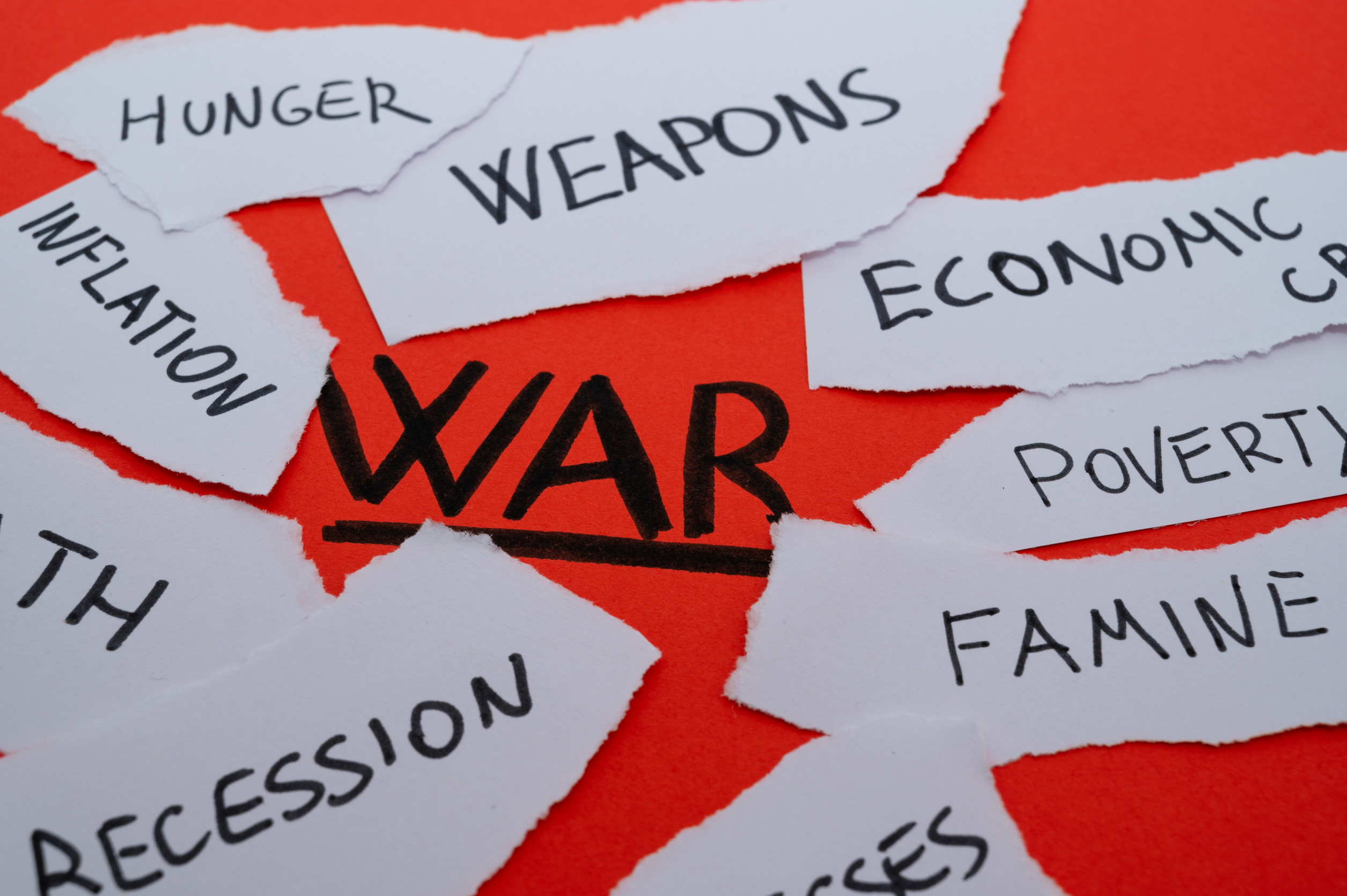
Modern wars do not end at the front line. They seep into menus, maps, shop signs, family names, and museum labels. Once cannons fire and sanctions bite, language often becomes a weapon of its own.
We have renamed foods, towns, mountains, and even royal families to hide uncomfortable connections, to punish enemies, or to signal solidarity. Some of these renamings faded as tempers cooled. Others became so entrenched that most people today have no idea they began as wartime PR.
Below, we unpack some of the strangest things that were renamed because of war and political conflict—and how those new names reshaped memory long after the last shot.
French Fries, French Toast, and the Short, Loud Life of “Freedom Fries”
In the early 2000s, United States lawmakers decided you could still eat French fries—just not call them French. In 2003, as the United States prepared to invade Iraq, France openly opposed the war. The backlash was immediate. Two U.S. congressmen pushed for a symbolic gesture: in three key Washington cafeterias (including those serving Capitol Hill), “French fries” and “French toast” were rebranded as “freedom fries” and “freedom toast.”
Wealthy lobbyists did not dream this up in a boardroom. The idea came from a small restaurant owner in North Carolina, who had already relabeled his menu out of frustration with France. Lawmakers seized on the story, and cameras captured the new labels on the House cafeteria menu boards. For a brief moment, the rebrand worked as emotional theater.
Private diners and fast-food joints across the country followed suit, swapping “French fries” for “freedom fries” as a show of patriotic defiance. Yet the name had a built-in expiration date. As public opinion on the Iraq War shifted and relations with France normalized, “freedom fries” started to sound more embarrassing than bold.
The House cafeterias quietly switched back to “French fries,” and the symbolic stunt became a historical footnote—a reminder that language can be conscripted into service just as quickly as soldiers.
Image Credit: Missvain/Wikimedia Commons, Licensed Under CCO 1.0
Berlin, Kitchener, and “Germantown”
If sausages and cabbage were not safe from wartime rebranding, towns stood even less chance. As anti-German hysteria surged in World War I, geographic names came under intense pressure.
One of the most striking examples is the Canadian city now known as Kitchener. For decades, it had proudly borne the name Berlin, reflecting the strong German heritage of many residents. But by 1916, after years of brutal trench warfare, a city named Berlin felt politically toxic.
A referendum was held. Under fierce social pressure and accusations of disloyalty, the population voted to abandon Berlin and adopt a more “patriotic” name: Kitchener, after a British field marshal who had died at sea. Overnight, a German-sounding city became a monument to British military heroism.
Similar stories unfolded across North America.
Various Germantowns adopted more neutral names under social and political pressure.
Some small U.S. communities quietly removed German references from their signs to avoid vandalism or boycott.
We often treat place names as timeless, but they are not. Each renaming erases one layer of identity and writes a new one on top—usually in the language of whoever holds power at that moment.
The British Royal Family’s Radical Rebrand
In 1917, the British monarchy pulled off one of the most successful rebrands in history. King George V sat on the throne of an empire fighting a brutal war against Germany. Yet his own family bore the unmistakably German dynastic name Saxe-Coburg-Gotha. Artillery shells named “Gotha”—after German bombers—were raining down on British soil. Anti-German feeling was sky-high.
The optics were catastrophic. By keeping a German-linked name while British soldiers died in the trenches, the royal family risked being seen as foreign, disloyal, or worse. European monarchies were already collapsing in Russia and elsewhere. Revolution was no longer an abstract fear. The response was swift and ruthless.
In July 1917, the king issued a royal proclamation: the family would henceforth use the solidly English surname “Windsor.” The choice evoked Windsor Castle, royal pageantry, and centuries-old English tradition. It severed the visible German connection in one stroke.
Today, most people know the royal family only as “the House of Windsor.” Very few realize that this reassuringly British name is a carefully crafted wartime product—born as much from fear of revolution as from patriotism.
German Shepherd vs. Alsatian
Image credit: 123RF Photos
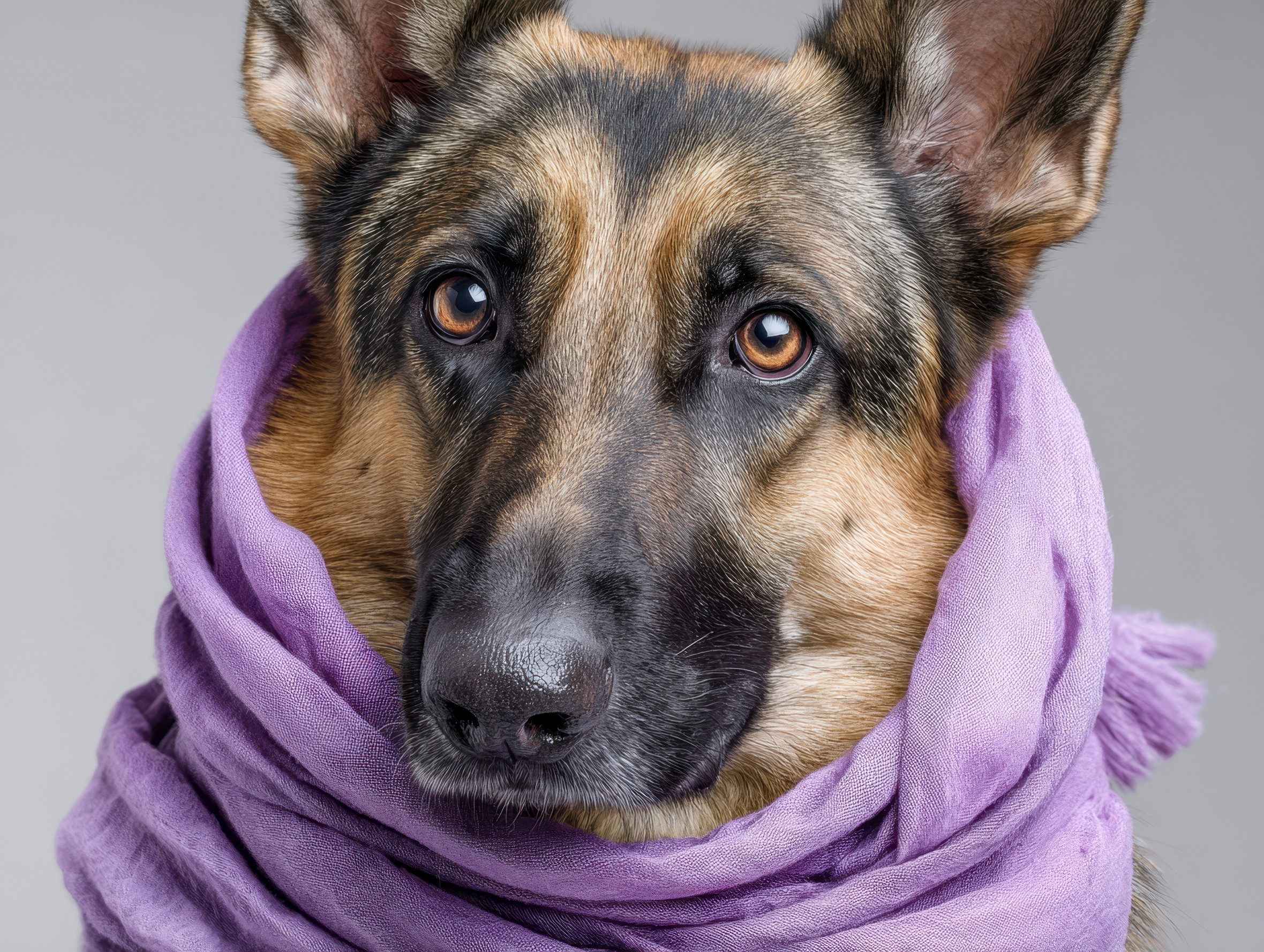
Even dogs were dragged onto the battlefield of language. The German Shepherd emerged in the late 19th century as a highly capable herding and working dog. During both World Wars, militaries loved the breed for its intelligence and loyalty. Civilians admired it too.
But there was a problem: the word “German.”
In World War I, the American Kennel Club dropped “German” from the name and simply called the breed the “shepherd dog.” In Britain, the rebrand went even further. Breeders and officials promoted a new name: “Alsatian wolf dog,” later shortened to “Alsatian.”
The name “Alsatian” referred to Alsace, a region contested between France and Germany. It sounded European, but not too German. It also avoided the direct association with the enemy at a time when wounded soldiers could be seen on every street. This dual naming persisted for decades. Dog shows, breeding clubs, and casual owners used “Alsatian” long after the war had ended. Only in the late 20th century did “German shepherd” regain its global dominance, though in some places “Alsatian” still lingers in everyday speech—a fossil imprint from wars that ended generations ago.
The “Spanish” Flu
The 1918 influenza pandemic killed tens of millions of people across the globe, yet it is still widely known as the “Spanish flu.” The label suggests an origin story: a deadly virus that sprang from Spain and swept across continents.
The truth is far murkier and far more political. During World War I, warring nations heavily censored their own news to maintain morale. Reports of mass illness in the trenches or at home were played down, delayed, or buried. Newspapers in the United States, Britain, France, and Germany were under pressure to keep bad news quiet.
Spain, however, remained neutral. Its press faced fewer restrictions and reported openly on the outbreak ravaging Spanish cities and ports. International readers saw these vivid reports while their own governments remained officially silent. From the outside, it looked as though Spain alone was suffering from—and talking about—this mysterious new flu.
The name “Spanish flu” was born out of an information gap, not a biological reality. Once again, war twisted language. A neutral country that told the truth ended up carrying the blame in popular memory. The name stuck, even though experts now believe the virus likely began elsewhere.
Revolutionary Playing Cards
Name changes in wartime are not only modern phenomenon. During the French Revolution, language and symbols were systematically purged of royal associations. Even humble playing cards were pulled into the political storm.
Traditional decks featured kings, queens, and jacks—miniature echoes of the social order revolutionaries wanted to destroy. For some radicals and moderates alike, that felt unacceptable in a republic born from toppling a monarchy.
Card makers responded with bold redesigns.
The faces of kings and queens were replaced with symbolic figures and abstract virtues. New card titles appeared, such as:
“The Spirit of Peace”
“The Spirit of Commerce”
“Liberty of the Professions”
“Ace of the Law (of the French Republic)”
By rebranding the deck, revolutionaries tried to make daily leisure reinforce the new ideology. Every hand of cards became a tiny lesson in republican values.
Most of these decks disappeared once the political tide shifted, but they show how deep the impulse runs to reshape language and imagery during upheaval. No symbol was too small to reprogram.
Swastika Mountain and the Long Shadow of a Stolen Symbol
In Oregon, a peak once carried a name that, for decades, barely raised an eyebrow: Swastika Mountain. The word came from a local ranch brand used long before Adolf Hitler turned the swastika into a symbol of genocide.
Originally, the swastika had been a positive emblem across many cultures—linked to good fortune, the sun, or cosmic balance in Hinduism, Buddhism, and other traditions. In the early 1900s, its use in the American West was not unusual.
World War II changed everything.
As Nazi atrocities came to light, the swastika became synonymous with racism and mass murder. Yet Swastika Mountain kept its name largely unnoticed for decades, tucked away in maps and hiking guides. That changed when a rescue operation on the mountain hit the news. Shocked residents questioned how such a name could still stand.
A local woman led a petition to rename the peak, arguing that whatever its historic origin, the word now caused real distress. There was pushback. Some groups, including those who value the original sacred meanings of the swastika, urged caution. But authorities ultimately agreed that in the American context of post-war memory, the name was untenable.
The mountain was officially renamed Mount Halo, honoring a Native American leader from the region. A once-innocent ranch symbol had become radioactive, and the map had to adapt.
From German-Russian Museum to Berlin-Karlshorst
Image credit: Nick-D via Wikimedia Commons
Not all wartime renamings focus on distant past conflicts. In the 21st century, institutions continue to adjust their identities as geopolitical tensions flare.
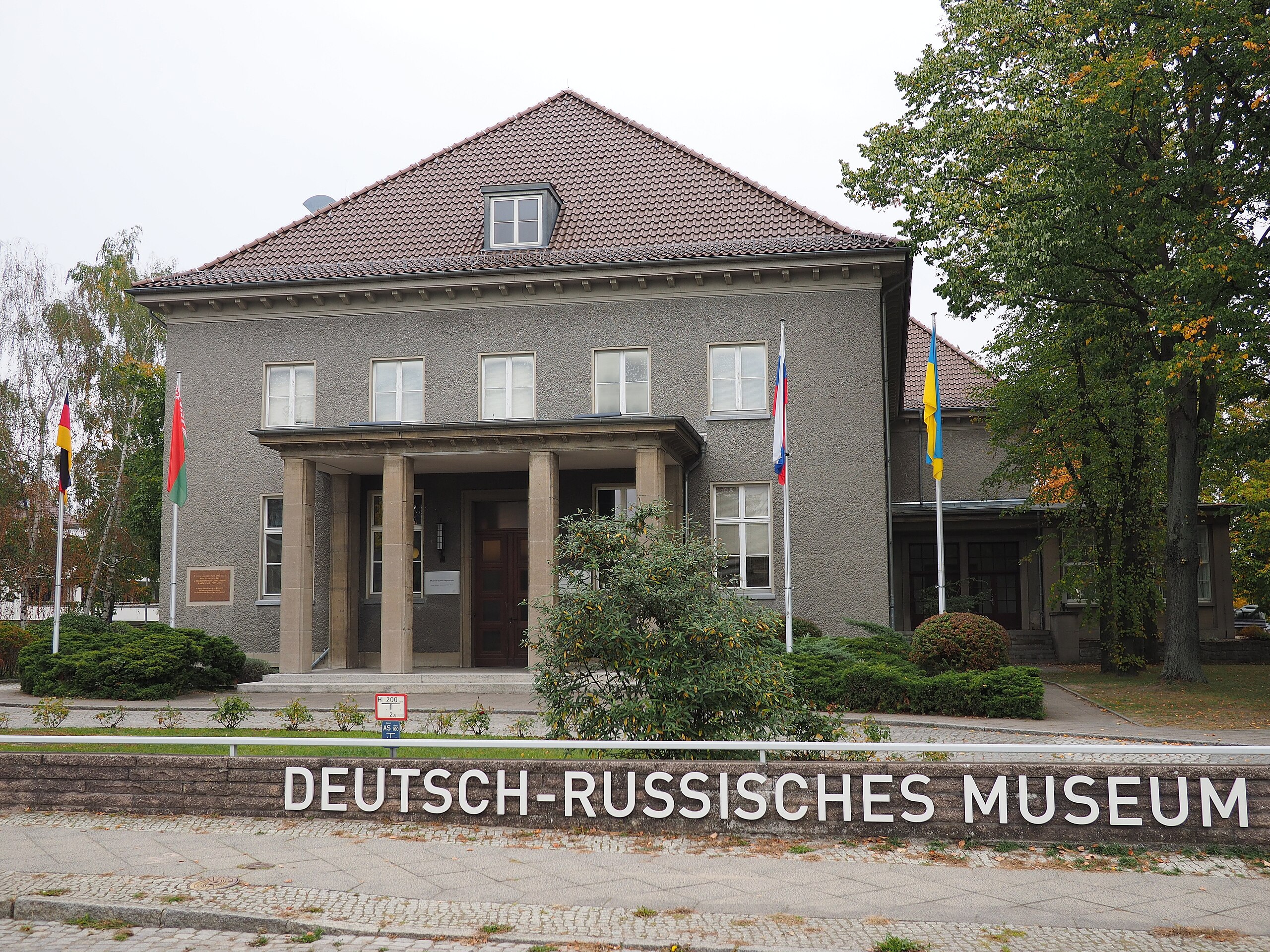
In Berlin, a museum long known as the German-Russian Museum occupied the historic site where German forces formally surrendered to the Soviet Union in 1945. For years, it served as a space to reflect on the Red Army’s role in defeating Nazi Germany. The name nodded to a shared German-Russian responsibility for remembering that history.
Then Russia invaded Ukraine in 2022.
Suddenly, the label “German-Russian” felt like a political endorsement. Museum leaders faced a brutal question: could they honor Soviet soldiers and wartime sacrifice while sharing a title with the modern Russian state launching a new invasion?
They chose to rebrand.
The museum became Berlin-Karlshorst, foregrounding its geographic location rather than tying itself to a specific modern government. Exhibits still highlight the Eastern Front and the Soviet contribution to Nazi defeat, including Ukrainian, Belarusian, and other Soviet republic troops.
The renaming did not rewrite history; it reframed who had the right to claim it. Names, once again, became a battleground over whose story is told and who stands at the center.
From “Russian Dancers” to “Ukrainian Dancers”
Even centuries-old artworks are not safe from political storms.
French impressionist Edgar Degas painted a series of dancers in bright folk costumes. For many years, museums labeled one of these works “Russian Dancers.” Scholars had long debated the accuracy of that title, pointing out the yellow and blue ribbons, floral wreaths, and other details that matched Ukrainian folk dress rather than generic “Russian” attire.
After Russia’s 2022 invasion of Ukraine, the debate gained new urgency. Ukrainian communities argued that lumping Ukrainian culture under the “Russian” label mirrored the political narrative used to justify aggression: the idea of one big, seamless Russian world.
The National Gallery in London eventually updated the title to “Ukrainian Dancers.”
Critics claimed the change was driven by politics. The gallery explained that research had supported the shift for years; the war simply made the correction feel morally impossible to delay. For Ukrainians, the renaming was more than a line on a wall label. It was a recognition that their culture exists in its own right, not as a vague sub-category inside someone else’s empire.
St. Petersburg, Petrograd, Leningrad, St. Petersburg Again
Few cities illustrate wartime renaming better than St. Petersburg in Russia. Its name has changed repeatedly, each time carrying a clear political message.
St. Petersburg was founded by Tsar Peter the Great in the early 18th century with a deliberately European-sounding name.
During World War I, the German-flavored “Petersburg” felt problematic to Russian nationalists. The city was renamed Petrograd, swapping the Germanic ending “-burg” for the more Slavic “-grad.”
After the 1924 death of Bolshevik leader Vladimir Lenin, the city was renamed Leningrad in his honor, turning it into a living monument to the Soviet revolution.
In 1991, following the collapse of the Soviet Union, residents voted to restore the original name St. Petersburg, signaling a break from communist symbolism and a return to an older identity.
Every renaming coincided with conflict or regime change. The city never moved, but on maps and in daily speech it traveled between empires, ideologies, and political narratives.
Streets, Squares, and Airports
Beyond famous cities, entire networks of streets, squares, and airports have been renamed after wars or revolutions. These changes can happen so smoothly that locals forget the old names entirely.
Examples include:
Streets once named after monarchs being retitled for revolutionaries after uprisings.
Avenues honoring foreign leaders replaced with local heroes once alliances sour.
Airports renamed to break from colonial or authoritarian pasts, turning transport hubs into tools of national storytelling.
Each new signpost tells citizens who matters now—and who belongs in the past. The old names usually survive only in elderly memory, dusty records, or the occasional stubborn neighborhood nickname.
Ben Ojo is a forward-thinking media professional with a keen interest in home improvement, travel, and finance. Holding a Bachelor's degree in Applied Accounting with a CPA designation, alongside a Bachelor's degree in Veterinary Medicine, his expertise and insights have been featured on reputable platforms like MSN, Business Insider, and Wealth of Geeks, underscoring his dedication to sharing valuable knowledge within his areas of interest.