6 Things Boomers Think Are Luxuries That Millennials See As Bare Minimum

Image Credit: Public Domain Pictures via Pexels
Generational differences are inevitable, and nowhere is this more apparent than in the way baby boomers and millennials view the world. What one generation considers a luxury, another might regard as a basic necessity.
The gap between boomers, who came of age during a different economic landscape, and millennials, who’ve grown up in a time of technological advancements and economic challenges, is widening. From education to work-life balance, here are 6 things boomers think are luxuries that millennials see as bare minimum.
Parental Support
For boomers, independence was something they had to work for. Most were expected to go out into the world and fend for themselves. Financial support from parents wasn’t the norm; they were expected to stand on their own two feet. In contrast, millennials often find themselves needing (or receiving) financial support from their parents well into adulthood.
Millennials are more likely to live with their parents compared to previous generations. This is due to several factors, including the economic fallout of the Great Recession, skyrocketing housing costs, and increased student debt. Millennials may not view this as laziness but rather a necessary part of navigating the modern financial landscape. For boomers, however, this shift feels like a sign of entitlement rather than a rational decision.
Women in the Workforce

For many women in the boomer generation, staying at home was often seen as the expected norm. Though the feminist movement and changing societal attitudes in the 1960s and ’70s paved the way for greater gender equality, many boomer women still found themselves in traditional domestic roles. Conversely, millennials view women in the workforce as the standard.
A Pew Research found that, 72% of millennial women are employed, showing a significant shift from earlier generations. However, challenges remain, as millennial women are often still expected to shoulder the majority of household and childcare duties. This change represents more than just a social shift; it’s a redefinition of work and family roles that boomers often can’t fully relate to.
Racial and Ethnic Diversity
Diversity, equity, and inclusion (DEI) efforts have seen significant progress over the past few decades. However, many baby boomers still consider diversity initiatives a luxury rather than a necessity. Growing up in a time when segregation was still prevalent, boomers were often not exposed to the diverse cultural and ethnic environments that millennials experience daily.
Millennials, however, see diversity as an inherent and crucial part of their lives. It’s woven into everything from their friendships to their workplace environments. They expect inclusive practices and value the cultural richness that diverse teams and communities bring. As Daniel Oppong, founder of The Courage Collective, puts it, “It’s an attempt to create workplaces where more or all people can thrive.” For millennials, this isn’t just a luxury; it’s a baseline expectation.
Higher Education
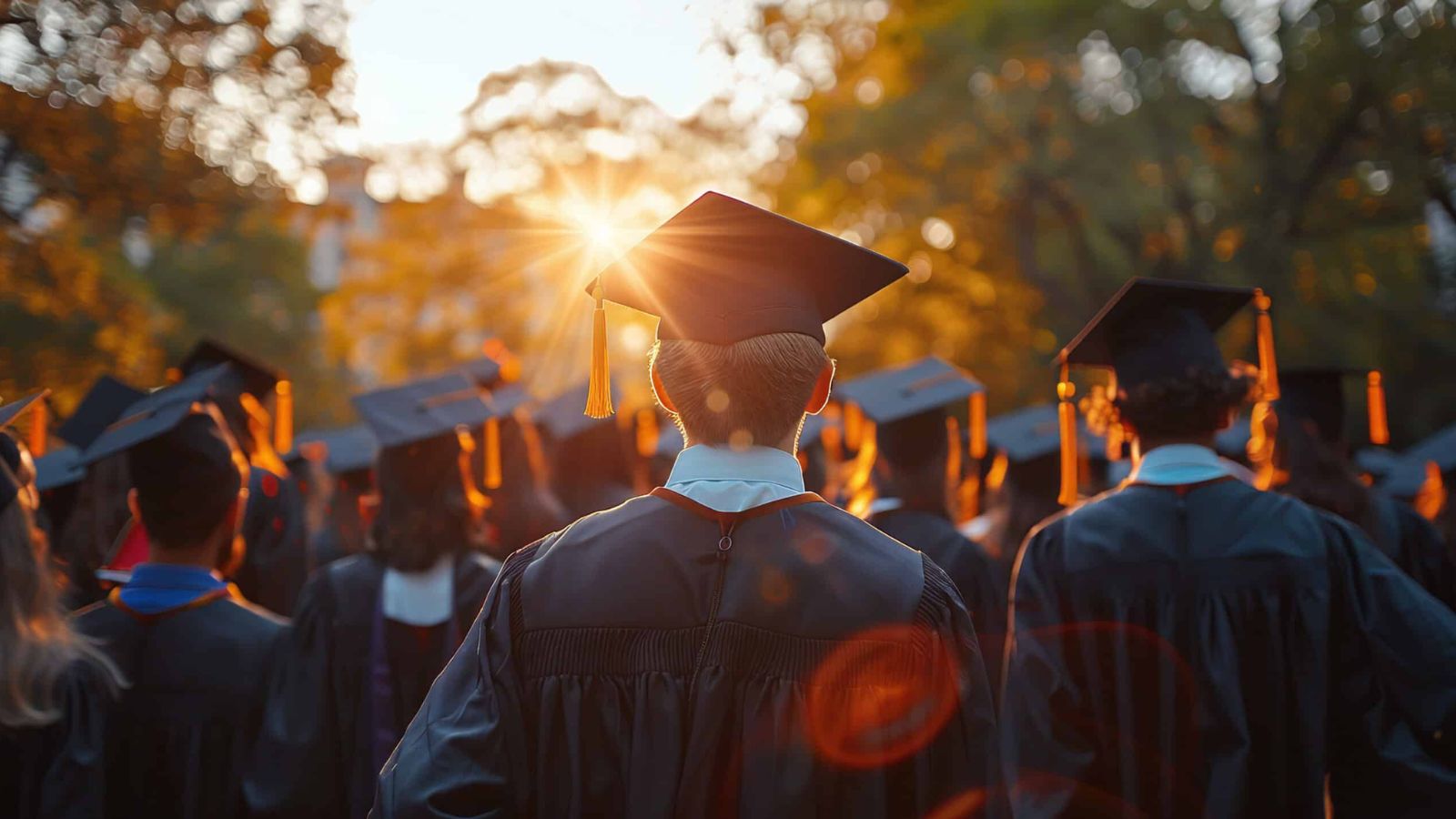
For many boomers, the idea of obtaining a college degree wasn’t as common or as essential as it is for millennials. The baby boomer generation was one where higher education wasn’t seen as a must for success. A degree was an added bonus, but not necessarily the key to a secure future.
Fast forward to today, and millennials view a college education as almost a baseline requirement. It’s not just about personal enrichment; it’s about standing out in an increasingly competitive job market. While boomers often had lower student debt and could pay for education without massive loans, millennials face a much steeper financial challenge.
Millennials are shouldering over $1.5 trillion in student loan debt, a financial burden that shapes much of their career decisions and life choices. As a result, many millennials see a college degree as a necessity, even though it was once considered a luxury.
Parenthood
Boomers were raised with the idea that having children was a natural part of adulthood. Most baby boomers had children in their 20s, and starting a family was a central part of their lives. Millennials, however, are taking a different approach. Many millennials are delaying parenthood or choosing not to have children at all.
According to Pew Research, 32% of childless millennials are unsure whether they will have children, while 18% say they definitely do not want children. This shift is influenced by a variety of factors, including economic instability, concerns about the future, and the desire to focus on personal growth before taking on the responsibility of parenting. For boomers, having children was more of an expected life event, but millennials see it as a deeply personal decision.
Marriage
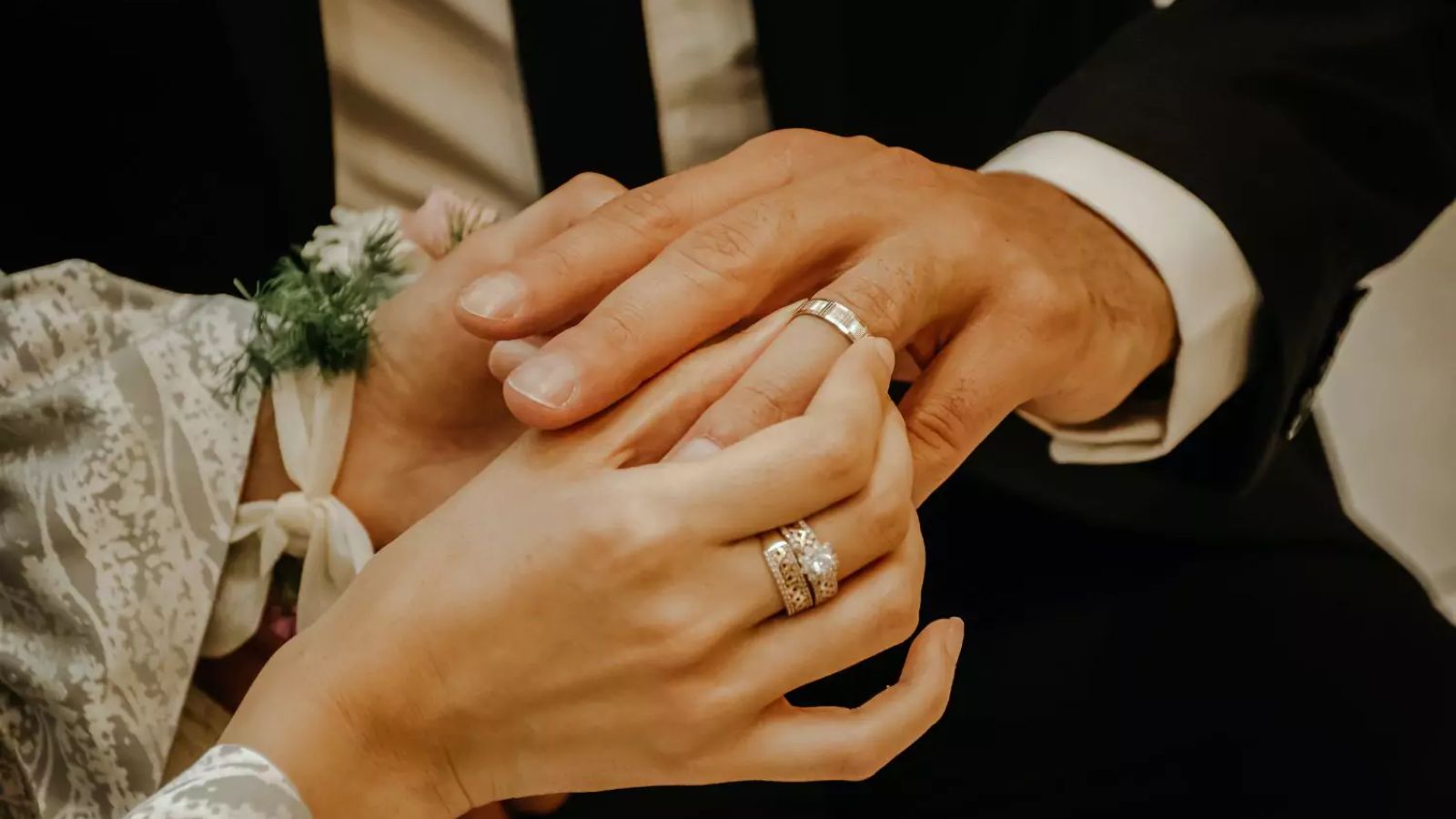
The idea of marriage was once a given for most boomers. In fact, 67% of boomers were married by age 30, compared to just 46% of millennials. Marriage wasn’t just a tradition; it was seen as a societal milestone. Millennials, however, are waiting longer to marry, or sometimes opting out altogether. Many view marriage as a financial burden or as an outdated tradition that doesn’t necessarily reflect the strength of a relationship.
As a result, millennials have a more relaxed attitude towards marriage. A survey by the Thriving Center of Psychology revealed that 73% of millennials view marriage as too expensive, and 85% don’t think it’s necessary for a healthy relationship. For boomers, the choice to marry was often less about personal preference and more about societal expectations.
Key Takeaways
The differences between boomers and millennials are undeniable. From education and marriage to work and diversity, what one generation values as a luxury is often seen as a bare minimum by the other. These differences aren’t just rooted in changing economic conditions but also in the evolving societal norms and values that each generation has experienced.
As millennials continue to shape the future of work, family, and society, it’s essential to recognize these differences and appreciate the diverse perspectives they bring to the table. While boomers may view certain things as luxuries, millennials see them as integral parts of their everyday lives.
The challenge moving forward is not just to understand these differences but to find ways to bridge the generational divide, learning from each other to create a more inclusive and balanced future.