“The Real Reason Single Men Are So Unhappy”

Amid the growing conversations about emotional well-being, loneliness, and masculinity, single men are increasingly finding themselves at the intersection of emotional conflict and societal expectations.
It’s no longer enough to follow the conventional path of acquiring a partner for the sake of status or fulfillment. Yet, many men continue to struggle with their singlehood, not simply due to a lack of romantic relationships but because of deep-rooted emotional voids, rigid masculine ideals, and insufficient tools to form meaningful connections.
The Illusion of Masculine Independence
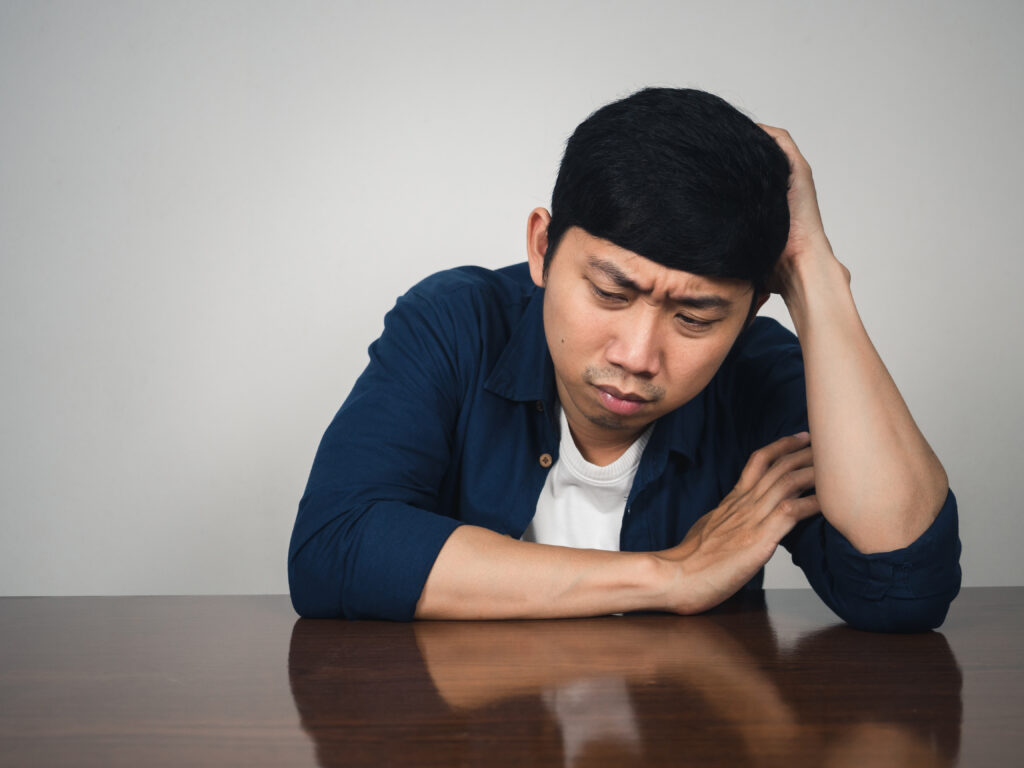
From a young age, boys are taught to be emotionally self-sufficient. Socialized into traditional views of masculinity, they are often discouraged from expressing vulnerability or seeking emotional support from friends or family. This suppression of emotional expression leads many men to believe that seeking a romantic partner is the only acceptable outlet for intimacy and vulnerability.
Many men place all their emotional reliance on a single relationship, expecting that their romantic partner should fulfill every emotional need. Unfortunately, this “one-size-fits-all” approach to emotional intimacy is not sustainable and can lead to disappointment when expectations are unmet. This sense of isolation becomes even more pronounced when men lack the tools to engage in meaningful friendships, leaving them emotionally isolated and vulnerable in ways they may not fully understand.
The Struggle with Emotional Intimacy

As men are raised to suppress emotional vulnerability, many struggle to express their feelings openly, which complicates their romantic and platonic relationships. According to experts, men’s emotional intimacy often suffers because of their inability to discuss their emotions effectively. Men who were taught to bottle up their feelings may find it difficult to open up with romantic partners or close friends, making it challenging to form deeper connections.
The Disconnect Between Desire and Ability

Research reveals that a significant portion of single men feel emotionally unsatisfied with their singlehood, often due to their inability to form meaningful relationships. While many men yearn for companionship, they frequently struggle to understand what they need to change within themselves to foster successful connections. The lack of meaningful relationships further exacerbates their feelings of loneliness, creating a self-perpetuating cycle of emotional dissatisfaction.
This emotional void has significant consequences for men’s mental health. The absence of strong social support networks, particularly emotional support from close friends and family, can have adverse effects on mental well-being. Studies have shown that men who lack emotional connections are at higher risk for mental health issues such as depression, anxiety, and low self-esteem. The absence of emotional intimacy can also have physical effects, including weakened immunity and poor sleep quality, making the need for emotional connection even more critical.
The Perils of Male Disillusionment
The disillusionment that many single men experience is not simply about being single, it is deeply intertwined with their failure to live up to the conventional ideals of masculinity. Masculine ideals often dictate that men should be dominant, emotionally stoic, and independent. However, these ideals can clash with the reality of their emotional needs, leaving many men feeling inadequate and self-conscious. They may see their lack of a romantic partner as a personal failure, leading to a cascade of negative thoughts about their self-worth.
Rigid Masculine Norms and Relationship Satisfaction
The societal expectation that men embody traditional masculine roles places a strain on their emotional well-being and their ability to form healthy romantic relationships. According to a range of studies, men are more likely to struggle with feelings of inadequacy and self-consciousness when they are unable to fulfill these masculine expectations. This is particularly true for men who feel that their romantic relationships should align with the heteronormative ideal of marriage, family, and sexual conquest.
Shifting the Narrative
To overcome these challenges, men must start by reimagining what it means to be masculine. Instead of adhering to rigid, outdated notions of masculinity, men can benefit from embracing qualities that foster emotional growth and healthier relationships. Strength and vulnerability are not mutually exclusive; men can be both strong and emotionally open, capable of offering and receiving support in relationships.
Building Emotional Intelligence
One of the first steps for men to heal from emotional isolation is to improve their emotional intelligence. This involves learning how to identify, understand, and express their emotions in healthy ways. By becoming more in touch with their emotional state, men can begin to communicate more effectively with others, which will help them build stronger, more fulfilling relationships.
Expanding Support Systems Beyond Romantic Partners
Rather than relying on a single romantic relationship for emotional fulfillment, men can benefit from diversifying their support systems. Developing strong friendships, engaging in group activities, and fostering emotional connections with a wider circle of people can help men feel more socially connected and emotionally supported.
Conclusion
The struggles of single men are not just about the lack of romantic partners; they are deeply rooted in societal expectations, emotional suppression, and a limited understanding of masculinity. By embracing emotional vulnerability, rethinking traditional masculine norms, and expanding their emotional support networks, men can overcome their emotional isolation and build meaningful, fulfilling relationships.