The Dark Reality of Chemical Warfare: 10 Disturbing Ways It Touches Our Daily Lives
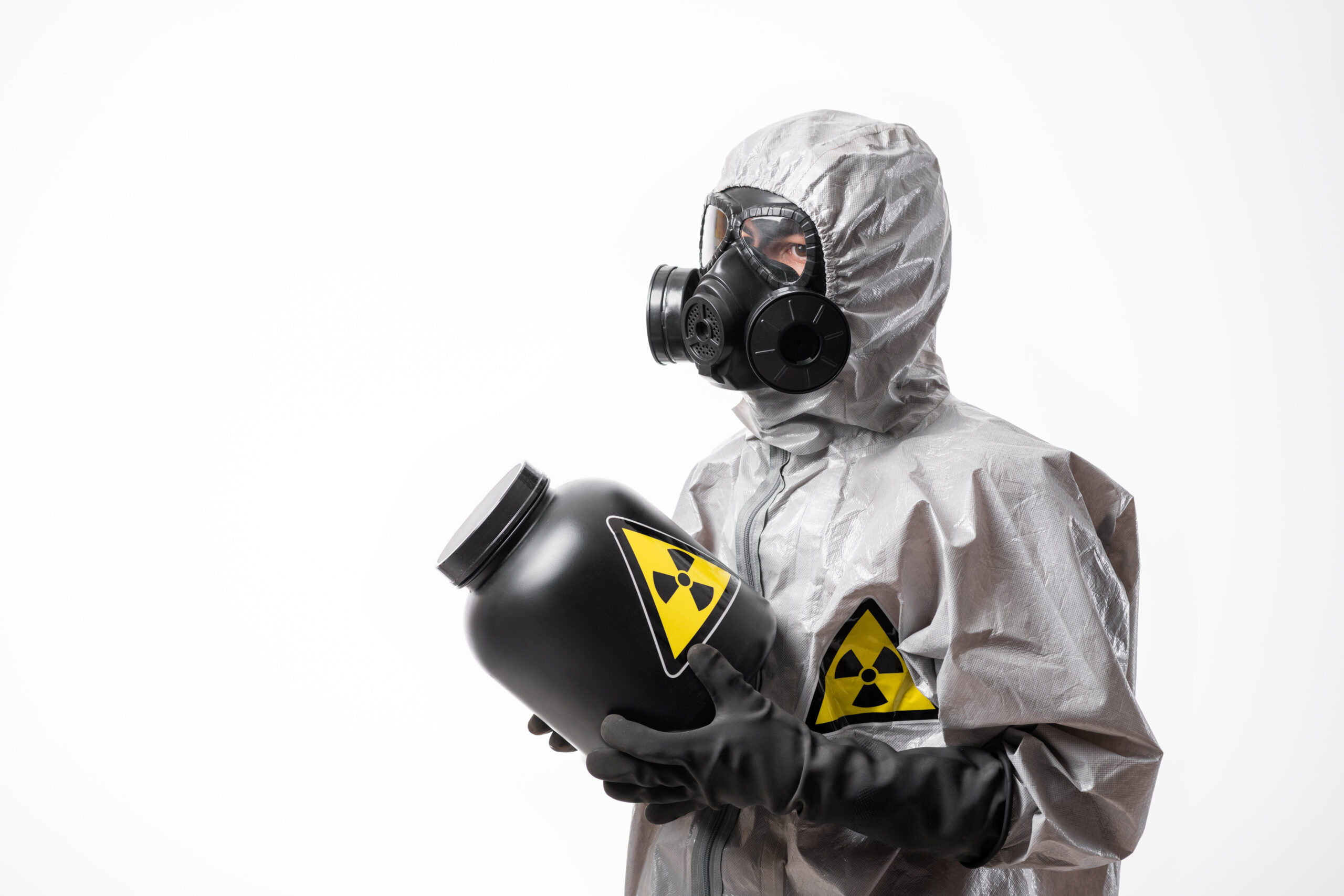
Chemical warfare, often seen as a distant and terrifying phenomenon tied to historical wars and military strategies, is not as far removed from our daily lives as many might assume.
While the most infamous instances involve large-scale warfare, chemicals used in warfare have found their way into ordinary environments, sometimes in unsuspecting forms.
In this article, we will delve into 10 surprising examples of how chemical warfare intersects with everyday life, revealing the fine line between chemical warfare agents and the chemicals we encounter in everyday activities.
Mustard Gas- From Battlefields to Gardens
Mustard gas is one of the most infamous chemical weapons used during World War I. Its ability to cause severe burns, respiratory distress, and even death has made it a terrifying agent of war.
However, in an ironic twist, mustard gas shares its name with a common garden plant: mustard.
While mustard gas itself is not used in gardens, the compound sulfur mustard, which defines it, shares certain chemical similarities with sulfur compounds found in soil.
The very garden tools we use, such as fertilizers and pesticides, sometimes contain chemicals that could act similarly to these toxic substances. In fact, several garden insecticides release small amounts of sulfur-based chemicals into the air, which, if improperly handled, could pose minor health hazards.
This similarity points to how chemicals used in chemical warfare could technically crop up in our very own backyards.
Phosgene- A Silent Threat in Everyday Chemistry
Phosgene, a lethal chemical weapon used in both World War I and World War II, was known for its ability to cause suffocation by irritating the lungs and causing fluid buildup.
Despite its horrific effects, phosgene has a surprising connection to everyday chemicals, especially in the world of synthetic products.
Phosgene is used in the production of plastics, pharmaceuticals, and even refrigerants. It can be found in trace amounts in everyday items such as air conditioners, foam insulation, and certain cleaning products.
While the amounts present are minuscule and not harmful under typical conditions, this connection serves as a stark reminder of the fine line between everyday chemicals and warfare agents.
Chlorine Gas- A Deadly Weapon, A Household Name
Chlorine gas, once a deadly weapon used during World War I, is another chemical that has an uncomfortably close connection to daily life.
Known for its ability to cause severe respiratory damage and death, chlorine gas was deployed on battlefields as a means of incapacitating large groups of soldiers.
Today, chlorine is a common household chemical used in bleach, disinfectants, and swimming pool sanitation. Though its concentration in household products is far lower, its association with warfare remains undeniable.
Chlorine gas is also used to treat drinking water, highlighting how close some everyday chemicals are to their more dangerous forms.
Sarin Gas- The Pervasive Presence of Nerve Agents
Sarin is one of the most potent nerve agents ever developed. Known for its ability to paralyze the respiratory muscles and cause death within minutes, sarin gained infamy during the Tokyo subway attack in 1995.
Despite its terrifying potency, nerve agents like sarin have civilian uses, especially in the field of medicine.
Specific medical treatments for nerve-related disorders use compounds similar to nerve agents, though in a controlled, diluted form. This includes drugs used for treating glaucoma or as part of treatments for muscle disorders.
The fascinating connection between the deadly sarin gas and everyday medical applications raises essential questions about the thin boundary separating warfare chemicals from common medications.
VX Nerve Agent- A Horror Unveiled in Pesticides
VX is another nerve agent known for its lethality. Incredibly toxic even in minute quantities, VX causes paralysis and death by disrupting the nervous system. Although it is far removed from public access, its close chemical cousins are often found in products such as pesticides.
Certain agricultural chemicals share chemical structures with VX and other nerve agents. Though the substances used in agriculture are designed to target pests, the link between VX and these common pesticides serves as a stark reminder of how everyday chemicals are closely related to those used in warfare.
In some cases, the toxicity and chemical makeup of the substances used in both realms overlap more than we might expect.
Tear Gas- The Weapon in Crowd Control and Home Cleaning
Tear gas, widely used for riot control and to disperse crowds, is a chemical weapon designed to cause intense irritation to the eyes, skin, and respiratory system. Despite its use in conflict zones, tear gas has a more common, if surprising, presence in everyday life.
Many cleaning products, particularly those used to clean ovens and bathrooms, contain compounds that mimic the effects of tear gas. Ammonia, for example, is a common ingredient in many cleaning solutions and can cause irritation when inhaled or when it comes into contact with the skin.
While much less potent than tear gas, the chemical irritants found in common household products highlight the overlap between everyday chemicals and those used in warfare.
Ricin- A Lethal Protein in Everyday Plants
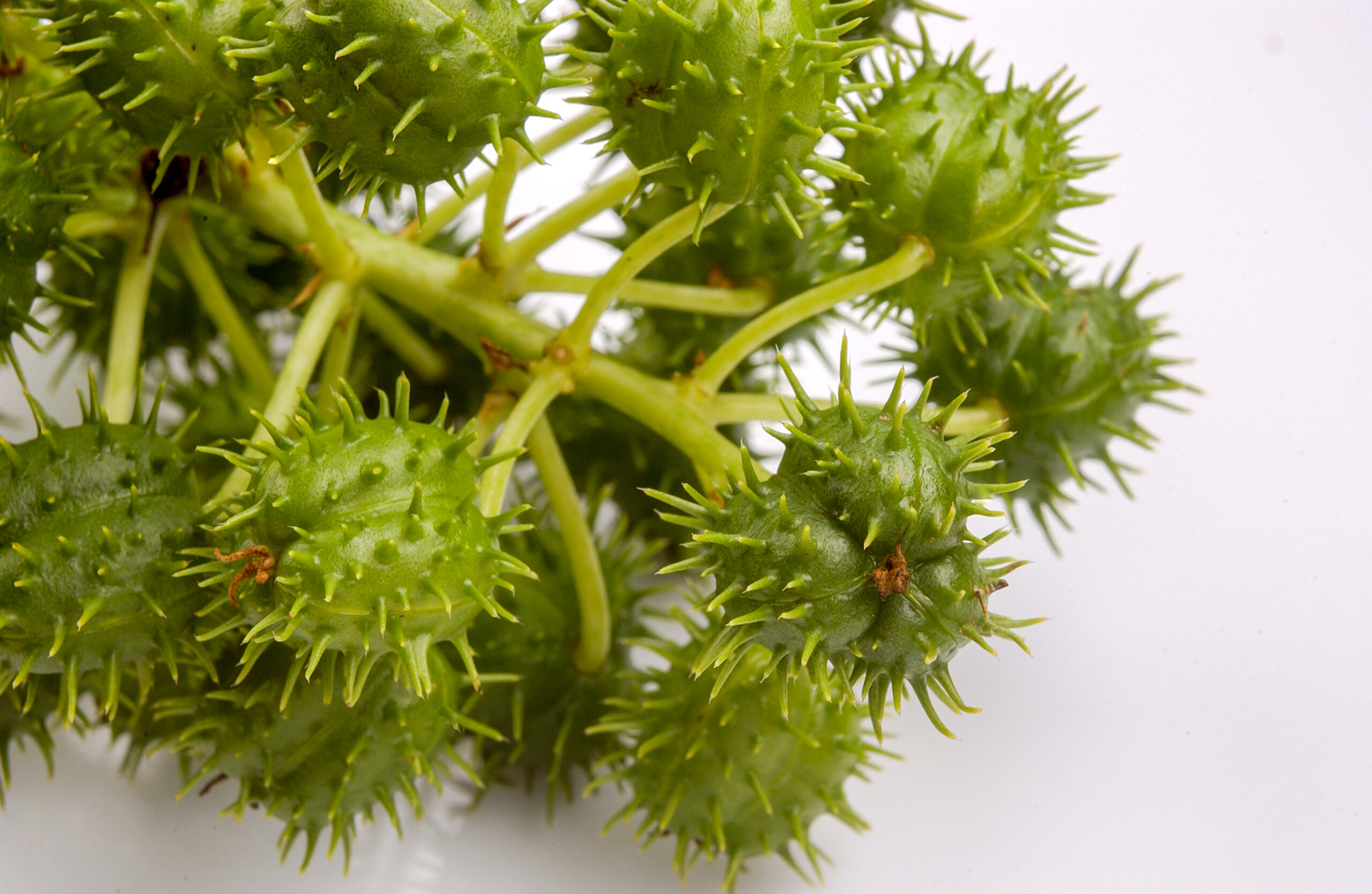
Ricin, a highly toxic protein, is one of the most dangerous substances known to man. Derived from the castor bean plant, ricin has been used as a chemical weapon due to its ability to cause organ failure and death if ingested or inhaled.
Though ricin is extremely rare and would require specific conditions to be weaponized, the castor bean itself is not uncommon. The beans are used to produce castor oil, a common ingredient in personal care products and medicines.
While ricin’s use in warfare is primarily restricted to military purposes, it serves as a reminder that nature’s own creations can sometimes harbor dangerous potential.
DDT- A Pesticide with a Dark History
DDT (Dichlorodiphenyltrichloroethane) is a synthetic pesticide that was once widely used during the mid-20th century to control mosquitoes and other pests.
Though it was eventually banned in many countries due to its harmful environmental and health effects, its history as both a weapon and pesticide is noteworthy.
During World War II, DDT was used to control lice that carried typhus. While it was not classified as a chemical weapon, its close connection to chemical warfare during wartime use highlights the dual-purpose nature of many chemicals.
Even today, the legacy of DDT still lingers in some agricultural chemicals, despite efforts to move toward safer alternatives.
Agent Orange- Herbicide and Weapon of War
Agent Orange, one of the most infamous chemicals used during the Vietnam War, was a defoliant designed to destroy foliage and deprive enemy forces of cover.
It contained dioxins, which are highly toxic compounds that can cause severe health issues, including cancer and birth defects.
Though no longer used in military applications, Agent Orange has a legacy that lives on in certain industrial chemicals. Some herbicides, despite being less toxic than Agent Orange, share similar chemical properties.
This overlap underscores the troubling relationship between agricultural chemicals and military-grade substances.
Sodium Cyanide- A Deadly Industrial Chemical
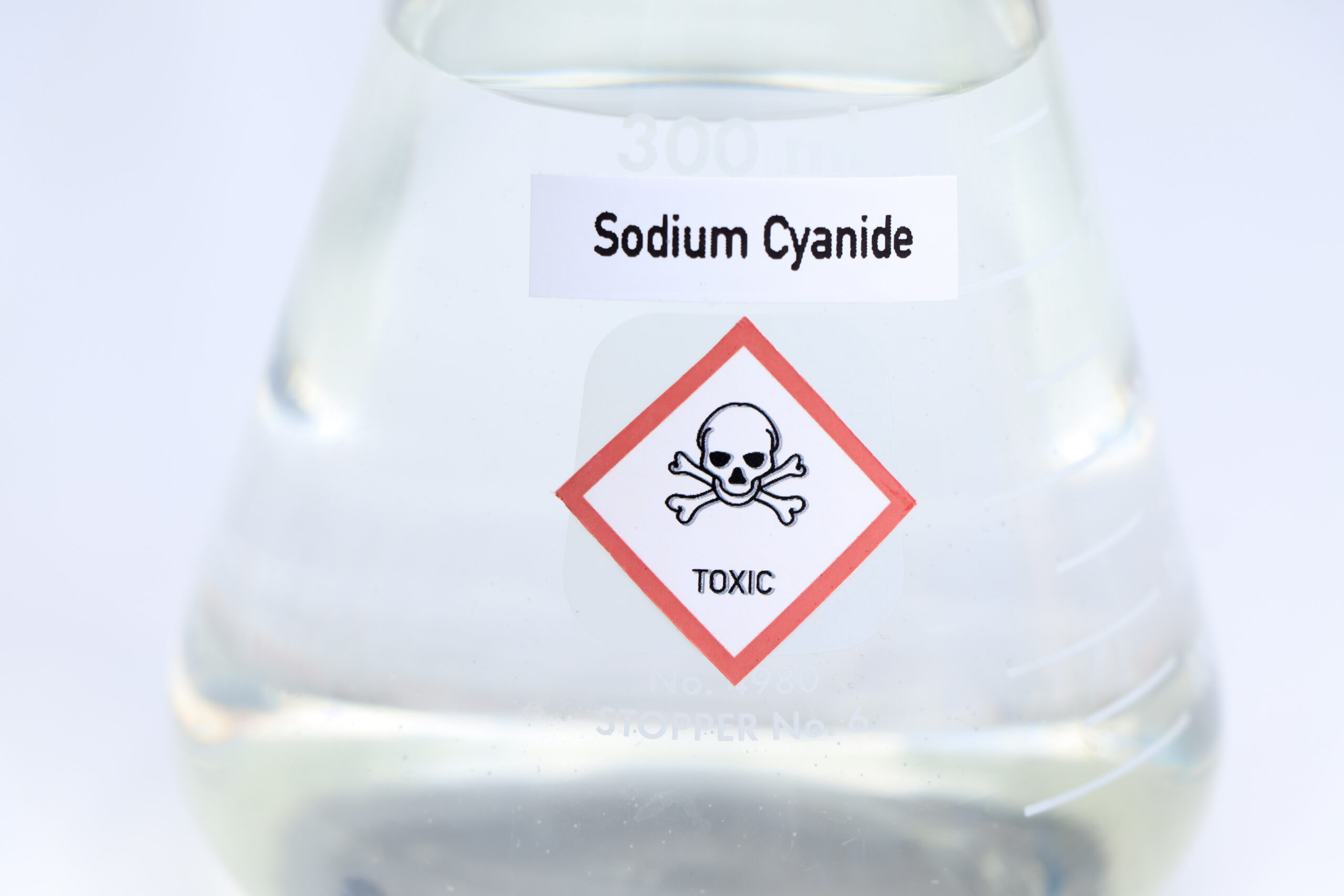
Sodium cyanide is an industrial chemical used primarily in gold mining to extract gold from ore. However, when released in large quantities, it can be fatal.
Known for its ability to inhibit cellular respiration, cyanide is a deadly agent used in chemical warfare to cause death by asphyxiation.
Though sodium cyanide is highly controlled and handled with extreme care in its industrial applications, the potential for misuse or accidental exposure remains.
The typical industrial use of cyanide compounds, despite their lethal potential, emphasizes the close relationship between chemicals used in warfare and those employed in everyday industries.
Conclusion
Chemical warfare, often viewed as a distant and terrifying force, is closer to us than we might think. From household products to those used in agriculture and industry, many chemicals that once served as tools of war are now embedded in our daily routines.
While the vast majority of these chemicals are used in far smaller, less hazardous quantities, their connection to warfare agents serves as a powerful reminder of the dual-use nature of many substances.
The next time you handle a cleaning product or apply pesticides to your garden, remember that these chemicals may share their origins with some of the most dangerous substances ever created. It’s a sobering thought, but one that should encourage more awareness and safety in our interactions with chemicals.