
Local News/Entertainment

10 Surprising and Dangerous Plants That Could Be Growing in Your Garden

Sylvie Aderonke
By Sylvie Aderonke 7 min read

Gardens are places of peace, beauty, and nature, but sometimes, hidden within the beauty of your plants, there may lie danger. Some common garden plants harbor dangerous properties, either in their leaves, flowers, or roots.

While many of these plants may seem harmless, they can pose serious health risks if mishandled or ingested.

In this article, we explore 10 surprising and potentially deadly plants that could be growing in your garden right now, often unnoticed.

Deadly Nightshade (Atropa belladonna)
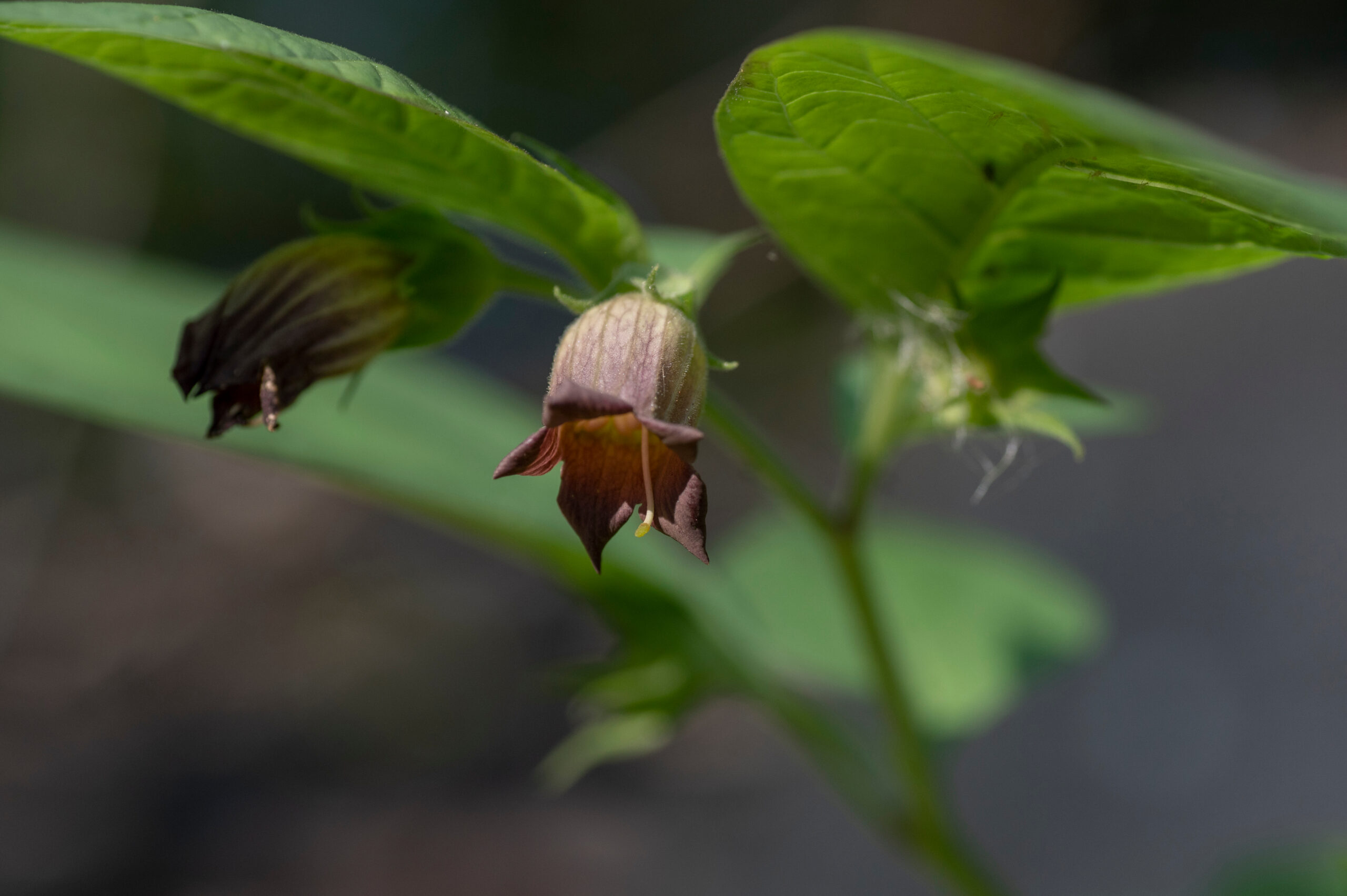
Photo Credit: stefans42/123rf

A Stealthy Danger Lurking in the Garden

Deadly Nightshade, also known as Atropa belladonna, is one of the most infamous plants in the world. Native to Europe, North Africa, and Western Asia, it has long been associated with poison.

The plant contains tropane alkaloids, including atropine and scopolamine, which affect the nervous system. Even a small amount of its berries or leaves can cause symptoms ranging from dilated pupils and blurred vision to convulsions and death.

Identifying Deadly Nightshade

This perennial herb can grow up to 4 feet tall, with purple bell-shaped flowers and shiny black berries. Its leaves are deep green, oval-shaped, and bitter-tasting.

Risks to Beware Of

The berries are particularly dangerous, and children or pets may mistake them for a treat. While its beauty is enticing, it’s essential to keep this plant away from areas of frequent human activity, especially in gardens where kids play.

Poison Ivy (Toxicodendron radicans)

The Itch You Don’t Want to Feel

Poison Ivy is a common plant found throughout North America, often growing in wooded areas and gardens. It’s notorious for causing an itchy, painful rash upon contact with skin. The plant produces urushiol, an oil that triggers severe allergic reactions.

Identifying Poison Ivy

This plant typically grows as a shrub or vine. Its leaves are arranged in clusters of three, and its appearance can change with the seasons. In spring and summer, the leaves are shiny, green, and smooth-edged, while in fall, they turn red and orange.

Risks of Poison Ivy Exposure

Even indirect contact can lead to a rash, and the oil can remain potent on clothing, tools, and pets. If you come into contact with it, rinse the affected area immediately and wash all exposed items thoroughly.

Oleander (Nerium oleander)