
A country prepares to celebrate while many citizens lose faith.

The United States is preparing to mark its 250th anniversary, but the national mood is far from purely celebratory.
New polling shows that American pride has fallen to a historic low, while many people are questioning whether the American Dream still works the way generations were taught to believe.
For decades, the American Dream was built around a simple promise: work hard, follow the rules, and build a better life.
But for many Americans today, that promise feels strained by expensive housing, rising living costs, political division, shaky trust in government, and fears that the next generation may have fewer opportunities than the last.
A new AP-NORC poll found that only about one-third of Americans believe the American Dream still holds true today. Half said it once held true but no longer does, while 15% said it has never been true.
American pride falls to a record low.
The decline is not just about money. It is also about identity. Gallup reported that only 33% of U.S. adults now say they are “extremely proud” to be American, the lowest level in Gallup’s trend dating back to 2001.
Another 20% said they were “very proud,” meaning just over half of Americans now express high levels of national pride.
That number is striking as the country approaches a milestone anniversary that would normally inspire flags, parades, patriotic speeches, and renewed national confidence. Instead, the data suggests a country entering its 250th year with a divided heart.
Many Americans still love their country, but fewer are willing to say the system is working well. Pride has become more complicated, less automatic, and more tied to politics, economic frustration, and personal experience.
The American Dream feels harder to reach
The phrase “American Dream” still carries emotional weight, but its meaning has changed. For some, it means owning a home. For others, it means financial freedom, safe communities, good schools, or the chance to retire without fear.
Gallup found that 69% of Americans still believe they personally can achieve the American Dream, and 78% say it remains important to strive for it. But fewer than half believe everyone in the country has a real opportunity to reach it.
That difference matters. It suggests many Americans still believe in their own possibility, but they are losing faith in the fairness of the system around them.
Housing costs are crushing confidence.

One of the biggest reasons the American Dream feels weaker is the housing market. Homeownership has long been treated as a major symbol of success in the United States.
But for many younger adults and working families, buying a home now feels out of reach.
High prices, expensive mortgages, rent increases, and limited supply have made housing one of the clearest signs of economic pressure.
Even people with steady jobs may feel that the old path to stability has narrowed.
When a full-time income no longer guarantees a home, savings, or security, the national story begins to crack.
Political division is reshaping patriotism.
The polling also shows that patriotism has become deeply tied to political identity. Americans are no longer simply debating policies; many are questioning the direction and character of the country itself.
AP-NORC found that Americans are less proud of the country’s history and the way its democracy works than they were in past years.
The poll also found that pride in major parts of American identity, including democracy and national history, has dropped over the past decade.
This helps explain why national pride feels different today.
For some people, pride means defending tradition. For others, it means demanding that the country live up to promises it has not fully kept.
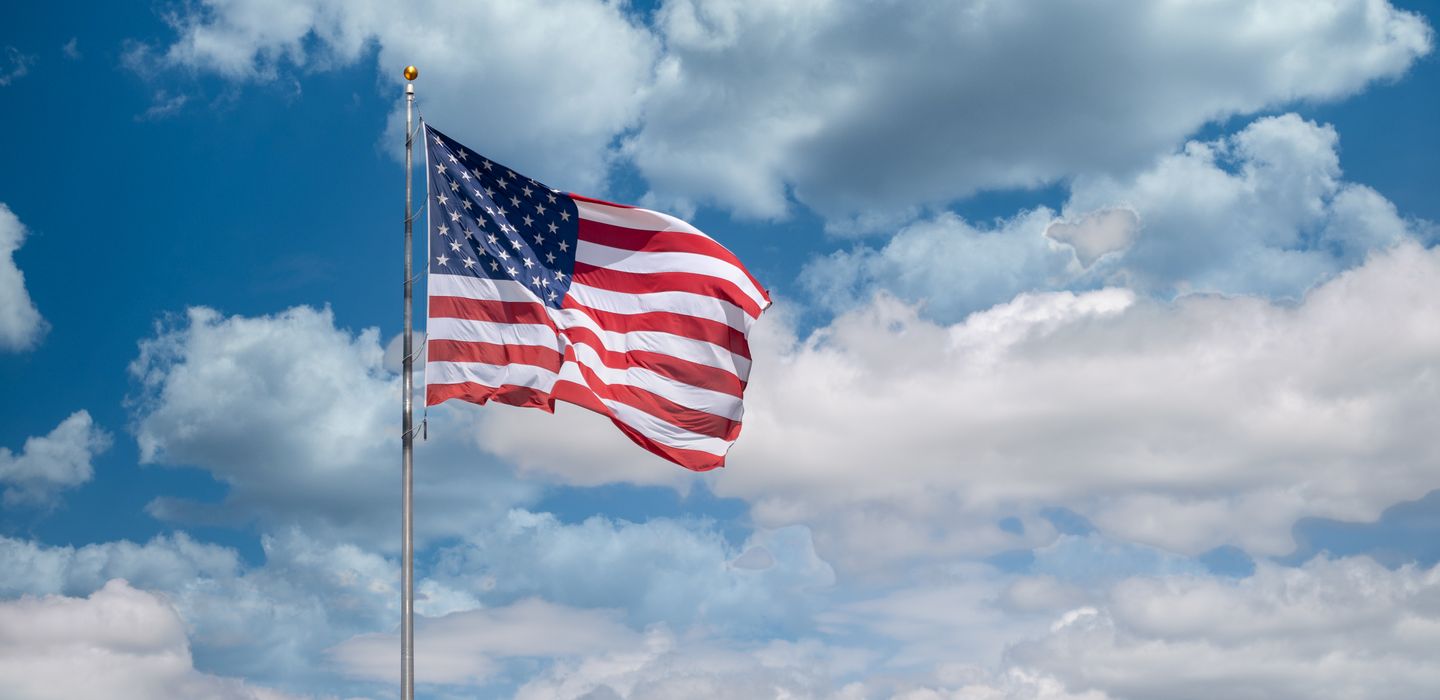
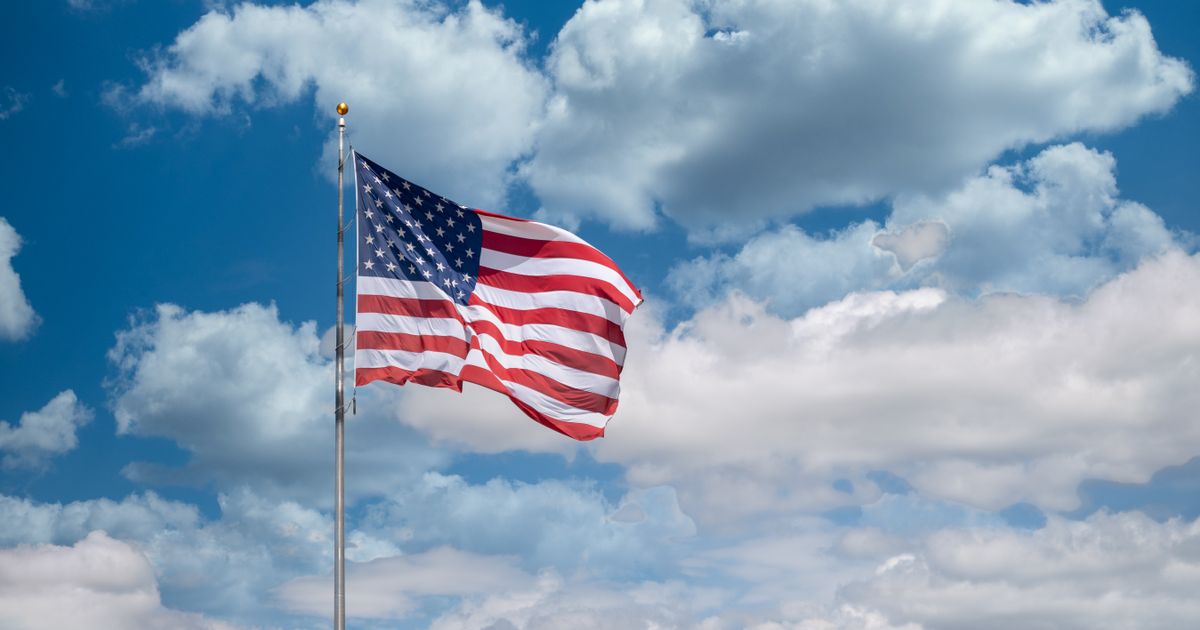
The flag has become both a symbol and an argument.

The American flag remains one of the country’s most powerful symbols, but even it now reflects national division.
A recent AP-NORC poll found sharp differences in how Americans view and display the flag, with race, age, and political affiliation shaping their interpretations.
The same flag that some see as a symbol of freedom and sacrifice is viewed by others as a reminder of exclusion, inequality, or political conflict.
This does not mean the flag has lost meaning. It means its meaning has become contested.
Even the Founders are part of the doubt.
Gallup also found that 77% of Americans believe the Founding Fathers would be disappointed with the current state of the country.
That is a remarkable figure for a nation preparing to celebrate the founding moment of 1776.
The finding shows that frustration is not limited to a single party or generation.
Many Americans seem to believe the country has drifted away from its highest ideals, even if they disagree sharply about who is responsible or how to fix it.
A nation proud of its ideals, but angry at its reality
The American Dream may not be completely dead, but many people clearly feel it is wounded. Americans still value freedom, opportunity, hard work, and personal ambition.
But they are increasingly skeptical that those values are being delivered equally or reliably.
That is the heart of the current crisis: the dream still matters, but fewer people believe the system is strong enough to protect it.
The 250th anniversary arrives at a difficult moment.
The United States will likely celebrate its 250th anniversary with fireworks, ceremonies, speeches, and patriotic displays. But beneath the public celebration is a quieter national reckoning.
Many Americans are asking whether pride should be automatic or earned.
They are asking whether the country’s promise still matches daily reality. They are asking whether hard work still leads to stability, or whether the ladder has been pulled higher for everyone except the already wealthy.
Read the original article in Crafting Your Home.