The 8 Specific Words Your Dog Is Dying to Hear from You

Believe it or not, your dog is likely tracking your vocabulary better than your significant other does. While we used to think dogs only processed tone, new data confirms they are listening to the actual words. In fact, the average dog holds a vocabulary of roughly 165 words, putting them on par with a two-year-old toddler.
Ever wondered why they tilt their heads? They aren’t just being cute; they are processing semantics. Recent studies published in March 2024 in the journal Current Biology show that when dogs hear object names, their brains activate a mental image of that object. So, when you’re chatting away, they are desperately waiting for these eight specific dopamine-triggering words.
Walkies

This is the undisputed king of canine vocabulary. According to a study monitoring canine biometrics, the word “Walkies” (or just “Walk”) causes a massive 36% increase in a dog’s heart rate.
It makes sense, right? A walk isn’t just exercise; it’s their version of reading the morning news via smell. If you think you’re slick by spelling it out (W-A-L-K), you’re wrong. Anecdotal evidence suggests most dogs crack that code within weeks. I tried switching to “Excursion” with my dog, and he learned that in three days flat.
I love you
Does this surprise you? It surprised me. Based on a 2020 study by Canine Cottages, telling your dog “I love you” spikes their heart rate by a staggering 46.2%.
While we often assume physical touch is the ultimate sign of affection, the data shows a fascinating split. Cuddling actually lowers their heart rate by about 23% (calming them down), while hearing “I love you” excites them. So, say it when you want to hype them up, and cuddle them when you want them to chill.
Dinner
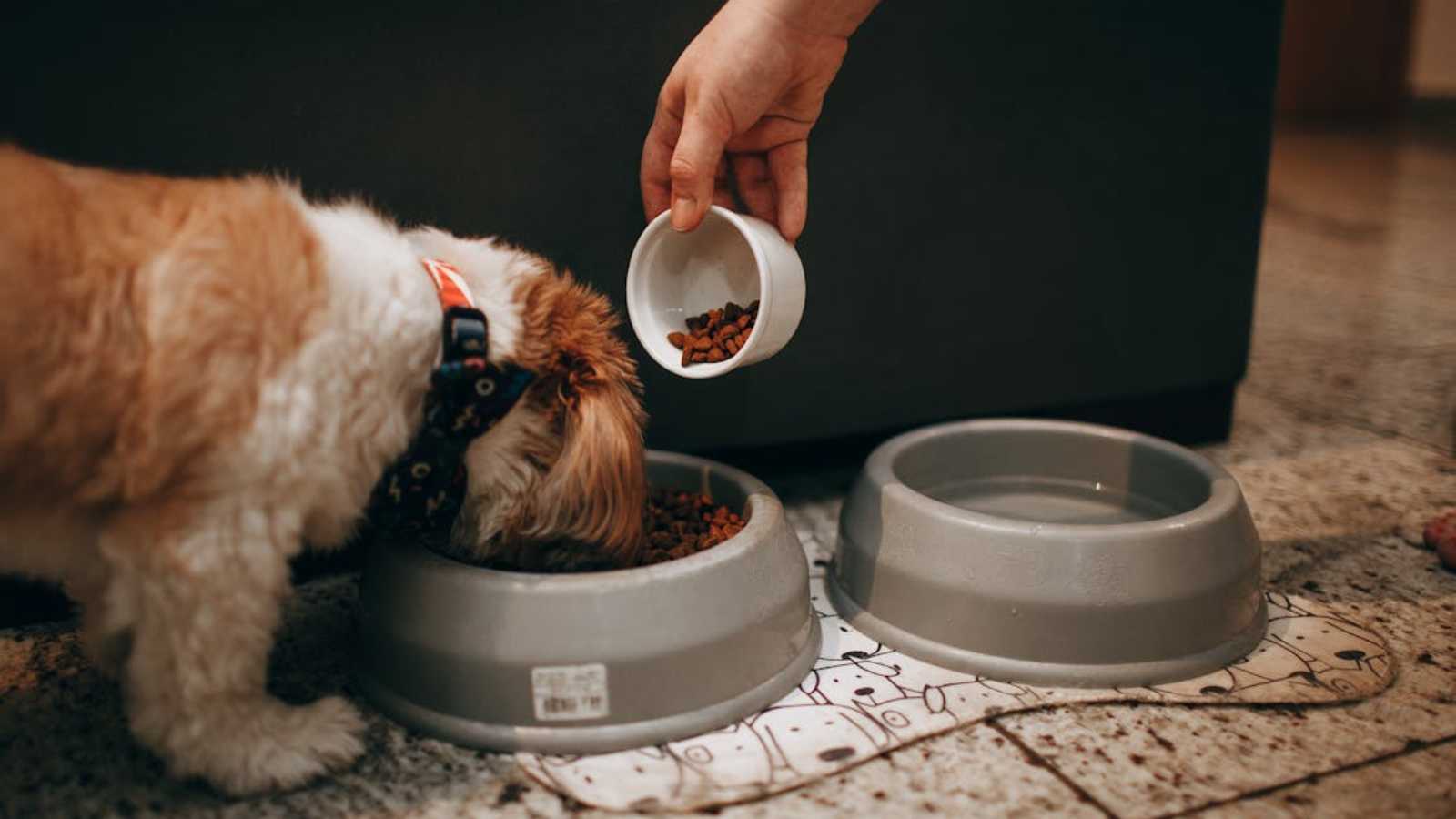
Coming in with a 31% increase in heart rate, “Dinner” is the word that secures their survival. Dogs are opportunistic scavengers at heart, so this word tells their ancient wolf brain that they won’t starve today.
Experts note that this word anchors their day. It creates a “predictable routine,” which significantly lowers canine anxiety. IMO, you should never say this word unless you are ready to scoop kibble immediately; nobody likes a tease.
Treat
While “Dinner” is the salary, “Treat” is the lottery win. It’s one of the most popular words worldwide because it usually signals a high-value reward, such as jerky or cheese.
Neuroscientist Gregory Berns and his team at Emory University found that dogs pay more attention to new, gibberish words when they think those words might result in a treat. They are eternal optimists, hoping that “Tax Return” might actually mean “Bacon.”
Good boy / Good girl
We often joke that dogs only care about food, but MRI scans prove otherwise. In a study of 15 dogs, 13 showed greater brain activation to praise than to food.
When you say “Good Boy” in that high-pitched, embarrassing voice (we all do it), you aren’t just being silly. Research confirms that Dog-Directed Speech (DDS) captures their attention more effectively than normal speech. It validates their social status in your “pack.”
Outside
Thanks to the “talking button” trend (AAC soundboards), we now have insight into what dogs want to say to us. “Outside” is consistently one of the most frequently used buttons by dogs trained to communicate.
Recent 2024 data shows dogs use this word contextually, distinguishing between “Outside Potty” and “Outside Play”. It represents freedom and agency, two things every living creature craves.
Yes!
For the training nerds out there, “Yes!” is magic. Trainers call this a “terminal marker.” It signals to the dog, “You did the thing right, and payment is coming”.
Why do they love it? Clarity. Dogs live in a confusing human world of rules they don’t understand. Hearing “Yes!” gives them that “Aha!” moment of success. It builds confidence instantly.
Their name
Your dog’s name is the ultimate attention hook. Experts say it creates a “cocktail party effect,” allowing dogs to filter out their name from a noisy background.
However, you must protect this word. If you only use their name to scold them (“No, Fido!”), You poison the cue. Use it primarily for positive alerts, and watch their ears perk up every time.
Key Takeaway

Your dog is an active listener who craves connection, clarity, and safety. Words like “Walkies,” “I Love You,” and “Good Boy” aren’t just sounds; they are biological triggers that flood your dog’s brain with joy. So, go ahead and have that chat with your pup today, just be careful not to say “W-A-L-K” unless you have your shoes on!
Read the Original Article on Crafting Your Home.