Imagine walking through a forest and suddenly hearing a roar that echoes for miles. Or picture yourself underwater, surrounded by marine creatures that can produce some of the loudest sounds ever recorded. The animal kingdom is full of surprises, and some of its loudest members aren’t necessarily the biggest.
Animals make loud noises for different reasons. Some use powerful calls to attract mates, while others rely on sound to defend territory, communicate with their families, or locate prey. Interestingly, a tiny shrimp can produce an explosive snap, while a massive whale uses clicks to navigate the ocean depths.
Here are eight of the loudest animals in the world, based on documented sound measurements. Because sound travels differently through air and water, you can’t directly compare their decibel levels, so this isn’t a strict ranking.
Sperm Whale
Image credit: Puripat penpun/pexels
The sperm whale is widely recognized as one of the loudest animals on Earth. According to Guinness World Records, its powerful echolocation clicks can reach approximately 236 decibels underwater.
These enormous marine mammals use clicks to locate prey while hunting in deep, dark waters. Rather than relying entirely on eyesight, they interpret returning echoes to understand their surroundings.
Their remarkable acoustic abilities demonstrate how important sound is for survival in the ocean.
Pistol Shrimp
One of nature’s most astonishing noisemakers is the pistol shrimp. Despite its small body, this marine creature can produce underwater snaps measuring around 183 decibels under standardized measurement conditions.
The shrimp makes this sound by rapidly closing a specialized claw, creating a high-speed water jet and a collapsing bubble. The resulting shock wave can stun small prey.
What makes this creature extraordinary is the enormous sound it produces relative to its size. It proves that being small does not necessarily mean being quiet.
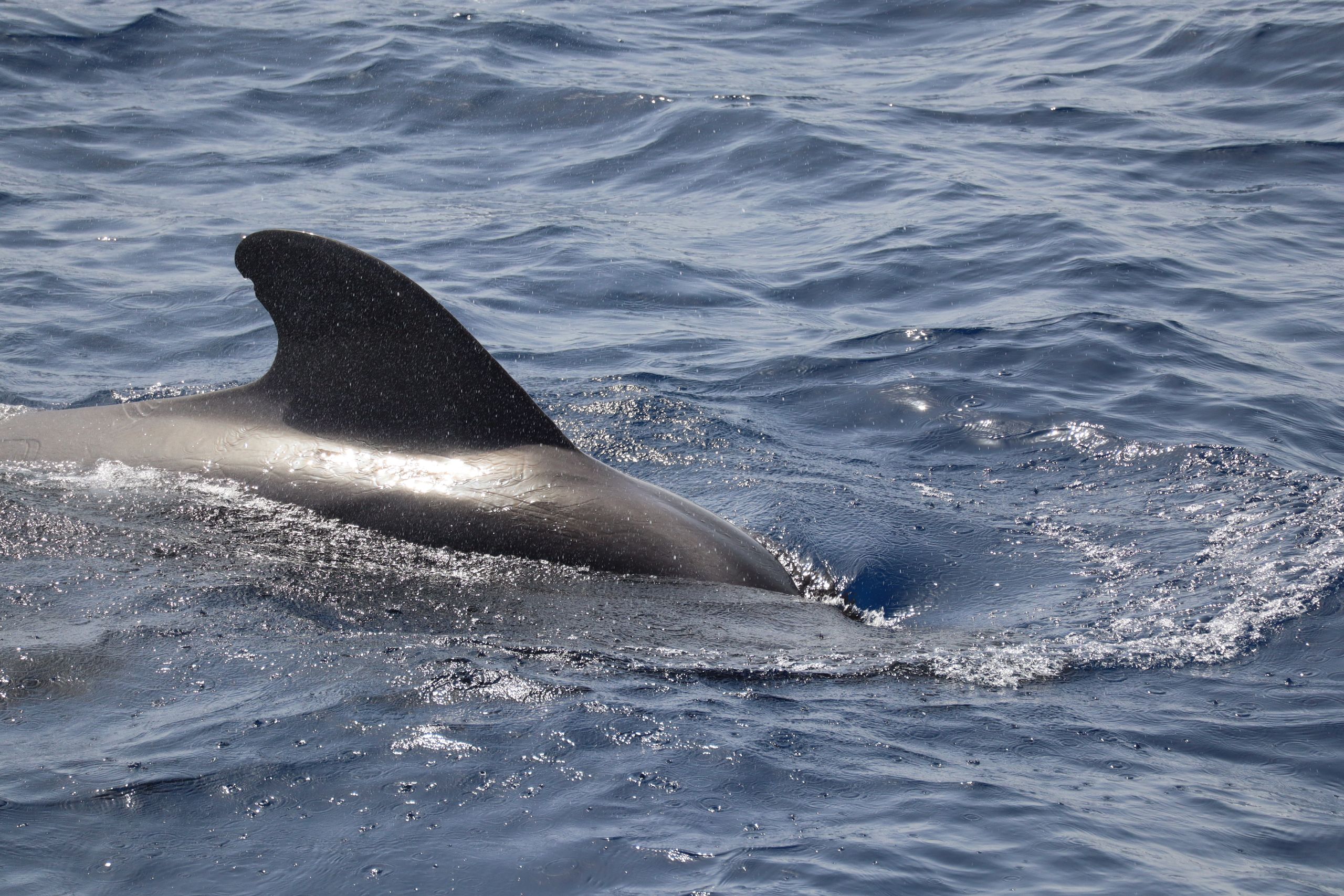
The fin whale is another remarkable underwater sound producer. Researchers have documented powerful low-frequency calls reaching approximately 203 decibels under certain measurement conditions.
These enormous mammals produce repeated pulses that can travel considerable distances through seawater. Their vocalizations are used for communication, including during the breeding season.
Unlike the sharp clicks of sperm whales, fin whales produce much deeper sounds. These low-frequency calls make them extraordinary communicators in the marine environment.
Blue Whale
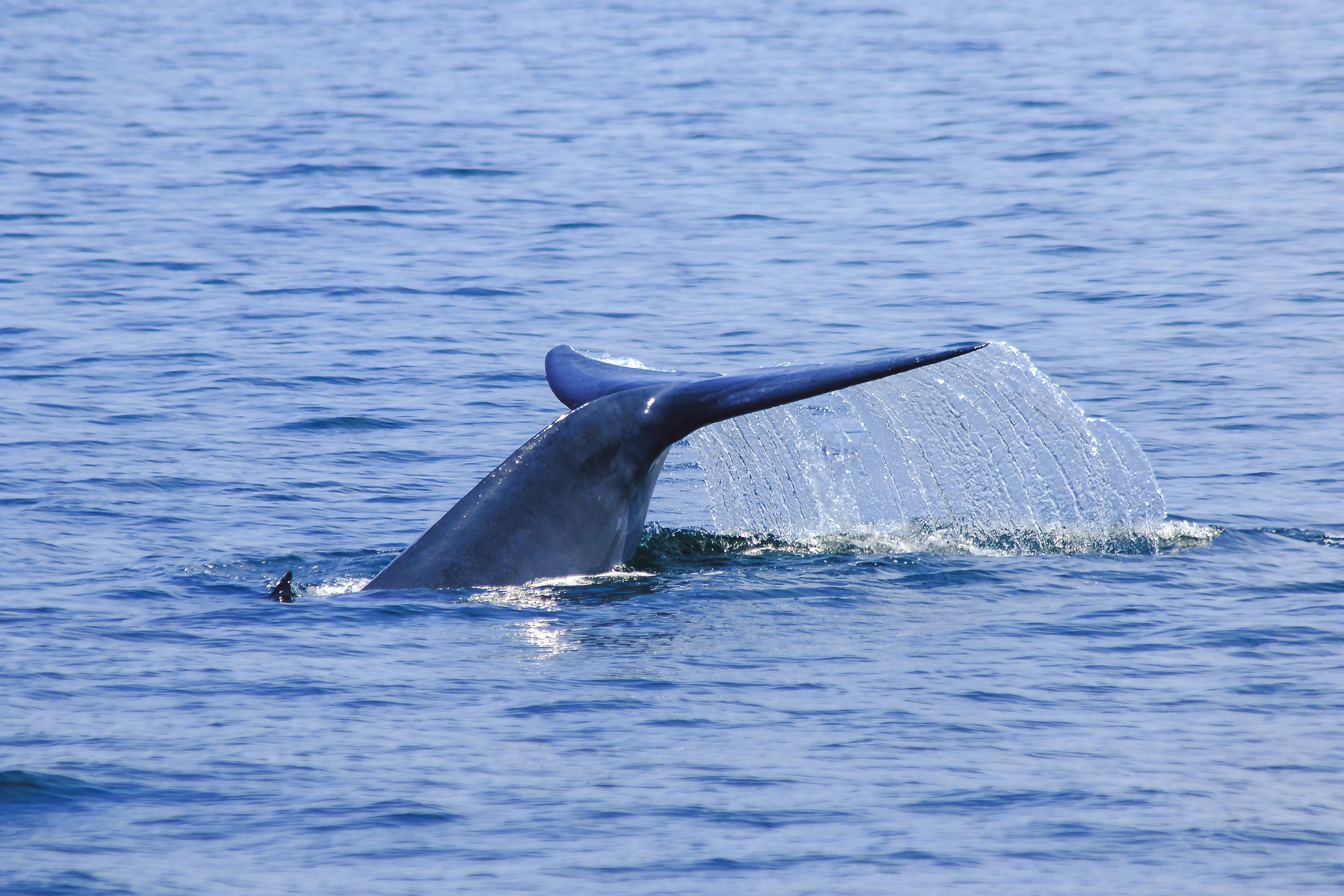
The blue whale is the largest animal known to have lived on Earth, and its voice is equally impressive. Its powerful, low-frequency calls can reach about 188 decibels underwater, depending on the call type and how it is measured.
Blue whales use vocalizations to communicate across the ocean. Because low-frequency sound travels efficiently through seawater, their calls can cover remarkable distances under favorable conditions.
Although their sounds are exceptionally powerful, much of their vocal activity occurs at frequencies too low for humans to hear clearly.