


The post That Fall Tarp on Your Outdoor AC Unit May Be Causing Rust, According to Lennox and Carrier first appeared on Crafting Your Home.
The condenser by the side of the house looks exposed once the leaves start dropping, and a tarp with a bungee cord feels like the responsible fix.
Manufacturers and technicians keep saying the opposite, and evidence builds up under the plastic. Wrapping the unit may be the most common way homeowners harm equipment that was built to sit outside.
Lennox says a full cover can do more harm than good
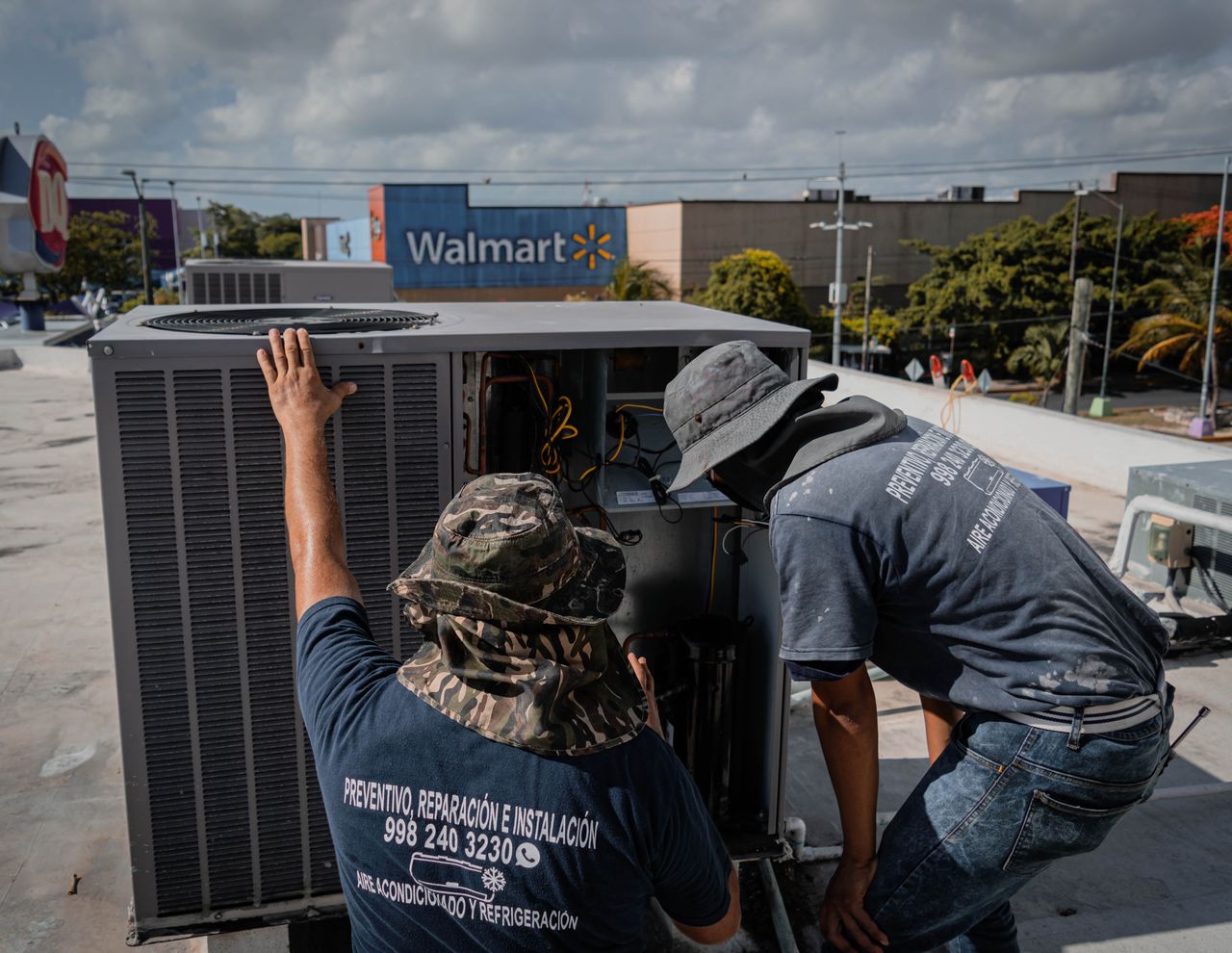
Lennox states on its outdoor unit care page that covering a unit completely, especially with plastic or vinyl, can cause more damage than it prevents. Moisture trapped under the material leads to rust and corrosion on components and the finish. Humidity from that moisture can also reach the electronics.
Rodents and other small animals looking for shelter are drawn to covered units. Water that collects under a cover can leave the air there colder than the air outside, and the page warns that coils may freeze as a result.
Its bottom line is that the downsides usually outweigh the benefits, even where a cover is defensible. Where one is used, airflow above the unit must stay open and the interior should be cleaned of debris first.
Condensation does its work while you are not looking
A tarp does not keep moisture out. It keeps moisture in. Family Handyman’s condenser guide says water condenses on the inside of a wrapped unit, and it notes that many manufacturers advise against waterproof covers for that reason.
The magazine’s alternative is almost comically low-tech. A sheet of plywood weighted with bricks shields the fan from falling icicles without sealing anything in. It also suggests coating the metal with car wax before snow arrives.
Critters move in before the first freeze
Cold weather sends mice and other animals looking for a warm, dark corner, and a fitted cover is one. Tom’s Guide asked an HVAC expert, Richardson, about winter care, and the report lists rust, erosion, and mold growth as risks of covering a unit. Its warning is that the choice can turn into a costly mistake.
Richardson’s advice leans on routine maintenance and sensible use of the system rather than wrapping it. A technician visit costs less than a replaced coil, and a tarp does nothing to prevent a pest problem.
Related Post: The Fall Home Maintenance Tasks Chicago Homeowners Should Start Before Temperatures Drop
The Carrier angle is murkier than the headline implies
Carrier warns plastic covers can trap moisture and encourage rust. If a cover is used at all, it should be breathable or limited to the top.
The brand also sells its own protection. SupplyHouse lists a ventilated Carrier cover at $227.46, and the listing claims its Innerflow vent design removes condensation and helps prevent premature rusting.
They do suggest the real dividing line is sealed versus vented, not covered versus bare.
Covers cost anywhere from a pizza to a plane ticket
Prices for manufacturer-branded covers vary widely. Liberty Supply lists a Lennox condenser cover at $44.95 and a $235.95 Carrier model for winter use. The top figure is more than five times the bottom one.
The spread leaves buyers guessing what the extra money buys. A pricey cover that seals tightly is still an expensive way to keep water out against metal. A cheaper one that breathes may do the job better.
Fall covering has its defenders
Not every contractor writes off the practice. HomeServe’s central air guide says a cover can make sense once the system is done for the season, put on before the leaves change. It suggests removing the cover after the leaves have fallen but before snow arrives, or in spring before the unit restarts.
The same guide admits most outdoor units need little protection in winter and that snug covers attract rodents. The disagreement mostly centers on timing and material. Everyone agrees that leaving a sealed wrap on for months is the problem.
Heat pumps break the rule entirely
A heat pump runs in cold weather, so covering it is a different kind of mistake. Heat pump outdoor units should never be covered because of a fire hazard. For a standard AC, the decision is up to the homeowner because most manufacturers don’t recommend covers.
Homeowners who cannot tell which kind of system they have should check before reaching for the tarp. A unit that heats the house in January has no off-season.
Related Post: 8 Home Repairs You Legally Cannot Do Yourself
Some owners already hold the better answer
Plywood remains the simplest option. The board should be slightly larger than the unit’s top so a gust doesn’t carry it off. It adds that a purpose-made cover is acceptable when the only goal is keeping leaves and small debris out.
Whatever goes on top, the sides stay open and the cover comes off before the first warm spell. A board and a few bricks cost less than a tarp, and they let the unit dry out.
Other Posts You May Like
- Texas Must Cool All 86 Prisons by 2029 or Face Constitutional Violations, Judge Rules
- Questionable DIY Fixes: A Deep Dive Into 8 Risky Home Repairs and the Dangers They Pose
If you like what you just read, then subscribe to our newsletter and follow us on social media.
