


The post Texas Must Cool All 86 Prisons by 2029 or Face Constitutional Violations, Judge Rules first appeared on Crafting Your Home.
A federal judge has drawn a hard line under a problem Texas has argued about for years: the heat inside its prisons. U.S. District Judge Robert Pitman ordered the Texas Department of Criminal Justice on Tuesday to install air conditioning across every one of its roughly 100 prison facilities by the end of 2029, ruling that housing inmates in uncooled cells during Texas summers amounts to cruel and unusual punishment.
The 150-page order caps a legal fight that began with one prisoner’s complaint and grew into a systemwide challenge covering more than 130,000 people in state custody.
Pitman’s language left little room for ambiguity. Describing testimony from formerly incarcerated witnesses, he wrote that conditions inside un-air-conditioned units pushed people to splash toilet water on themselves to cool down, and concluded plainly: These are not humane conditions.
Where the case started
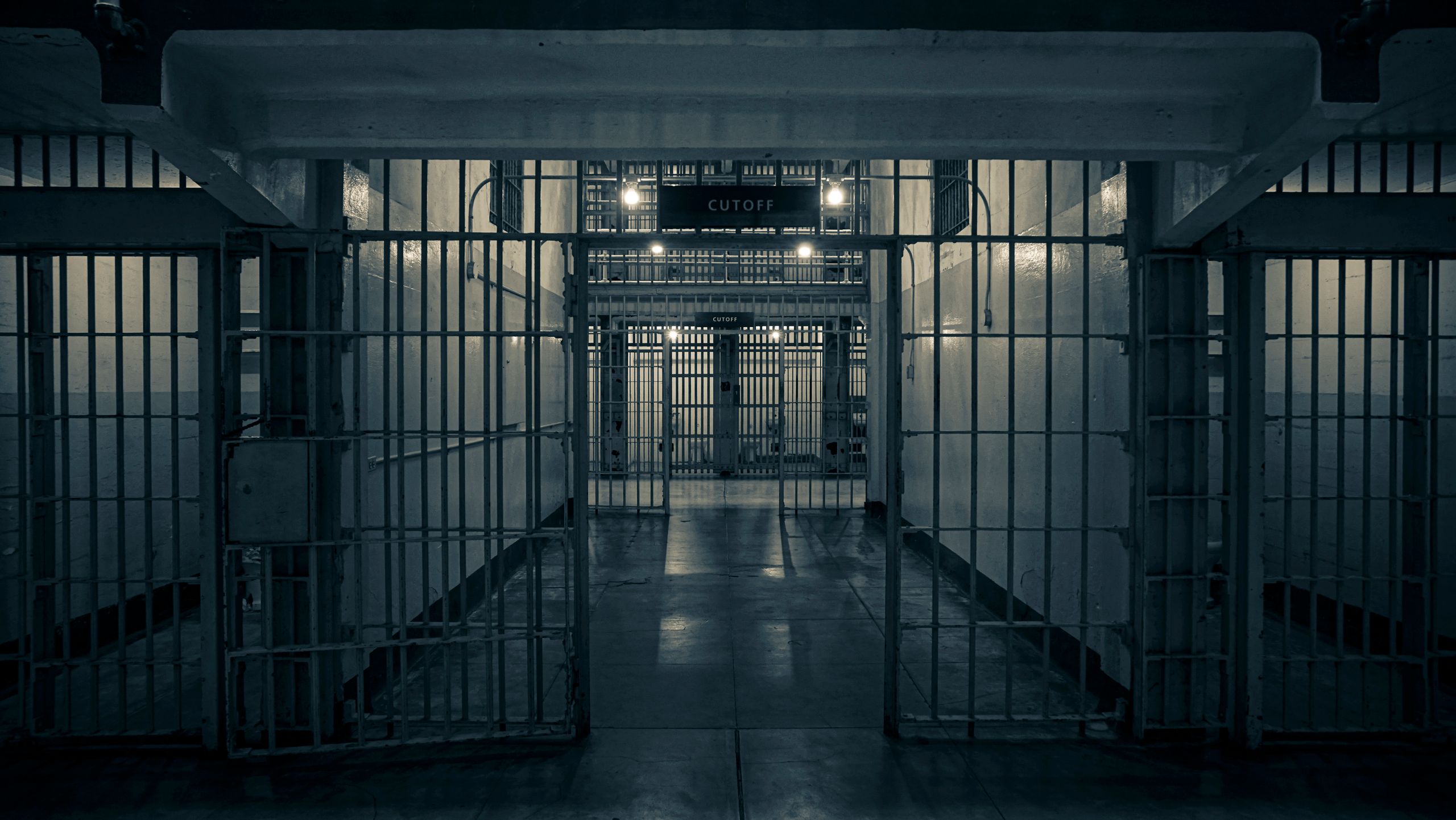
The lawsuit traces back to 2023, when Bernie Tiede, the former mortician whose 1996 murder case inspired the film Bernie, sued over the sweltering cell where he was serving a life sentence. Tiede reported suffering a stroke after enduring temperatures that climbed past 110 degrees, according to court filings covering the case’s early stages.
His single complaint drew in prisoners’ rights organizations, which joined and broadened the fight into a challenge against the entire TDCJ system rather than one man’s cell block.
That expansion shifted the case from an individual grievance into a test of whether the state’s prison agency, as a matter of policy, was exposing tens of thousands of people to a known and measurable danger.
Pitman signaled early where he stood: in March 2025, he found the extreme heat in Texas prisons plainly unconstitutional but stopped short of ordering immediate fixes, sending the case toward a full trial instead.
What Tuesday’s order actually requires
The trial ran roughly two weeks in Austin this spring, and Tuesday’s ruling is its outcome. TDCJ must now develop and carry out a plan to air-condition every prison where summer heat routinely tops 100 degrees Fahrenheit, with every facility covered by December 31, 2029. The agency did not comment on the ruling when it came down, though it has previously said it is continuing to add cooled beds.
Money shaped much of the courtroom argument leading up to this point. TDCJ’s own estimate for fully cooling the system climbed over the course of the case, from roughly $1.3 billion to $1.5 billion by the time former director Bryan Collier and his successor, Bobby Lumpkin, testified this spring.
Lumpkin defended the agency’s approach to lawmakers directly, telling the court, “We have to be good fiscal stewards.”
The numbers behind the ruling
At the time of trial, the state had about 52,000 beds with full or partial air conditioning, covering roughly 37% of the prison population, the ruling noted. That left close to 89,000 inmates without it heading into summer. At the installation pace TDCJ described in court, finishing the job systemwide would take an estimated 23 years, far outside the 2029 deadline Pitman just imposed.
The human cost behind those figures has its own paper trail. TDCJ has acknowledged 23 heat-related deaths in its facilities between 1998 and 2012, plus three more in 2023, and Pitman wrote that plaintiffs presented credible evidence of additional deaths between 2023 and 2025 tied at least partly to heat.
A 2022 study by researchers at Brown, Boston, and Harvard universities, examining Texas prison mortality data from 2001 through 2019, attributed roughly 13%, or 271 deaths, to extreme heat during that period.
Related: More Than 25% of Illinois Jail Deaths Never Made It Into State Records
Testimony that stood out at trial
Dean Williams, a former head of the Alaska and Colorado prison systems who testified for the plaintiffs, described the lack of cooling for TDCJ’s population as a five-alarm fire and said he would be acting with urgency if he ran the agency.
Plaintiffs’ attorney Kevin Homiak used his closing argument to point to inmate deaths in 2024 and 2025 where body temperatures were never recorded, cases he said were left out of the heat-death reports TDCJ is legally required to file with the Texas Legislature each year.
Earlier hearings produced some of the case’s starkest accounts. Formerly incarcerated witnesses testified that people inside uncooled units sometimes faked suicide attempts to get transferred to cooler medical wings, or deliberately set small fires so guards would be forced to hose down their cells.
TDCJ, for its part, has cited practical obstacles in court filings, pointing to the rural locations of many prisons, their aging infrastructure, and construction delays tied to contraband searches.
How Texas prisons compare to its own jails
One detail gives the ruling a sharper edge: Texas already requires county jails, run by local sheriffs rather than the state, to keep temperatures between 65 and 85 degrees.
Pitman’s order effectively asks state prisons to meet a standard the state has long applied to another part of its criminal justice system. Texas is not alone in facing this kind of challenge, either; similar heat-related lawsuits are working through courts in Louisiana, New Mexico, and Georgia, where a case filed this year alleges a man died after being left in an outdoor cell without water or shade.
For now, attention shifts to enforcement. Amite Dominick, founder of Texas Prisons Community Advocates and a plaintiff in the case, said the ruling made clear the state cannot keep treating incarcerated people’s safety as a line item to be managed rather than a constitutional obligation to be met.
Her organization, along with the other groups that joined Tiede’s original complaint, has said it intends to track every milestone in Pitman’s order between now and 2029, turning a five-year construction timeline into an ongoing test of whether Texas follows through.
Other Posts You May Like
- 6 Unexpected Foods Quietly Being Served in American Jails
- 12 Everyday Things Prison Controls That Most People Never Think About
If you like what you just read, then subscribe to our newsletter and follow us on social media.


