
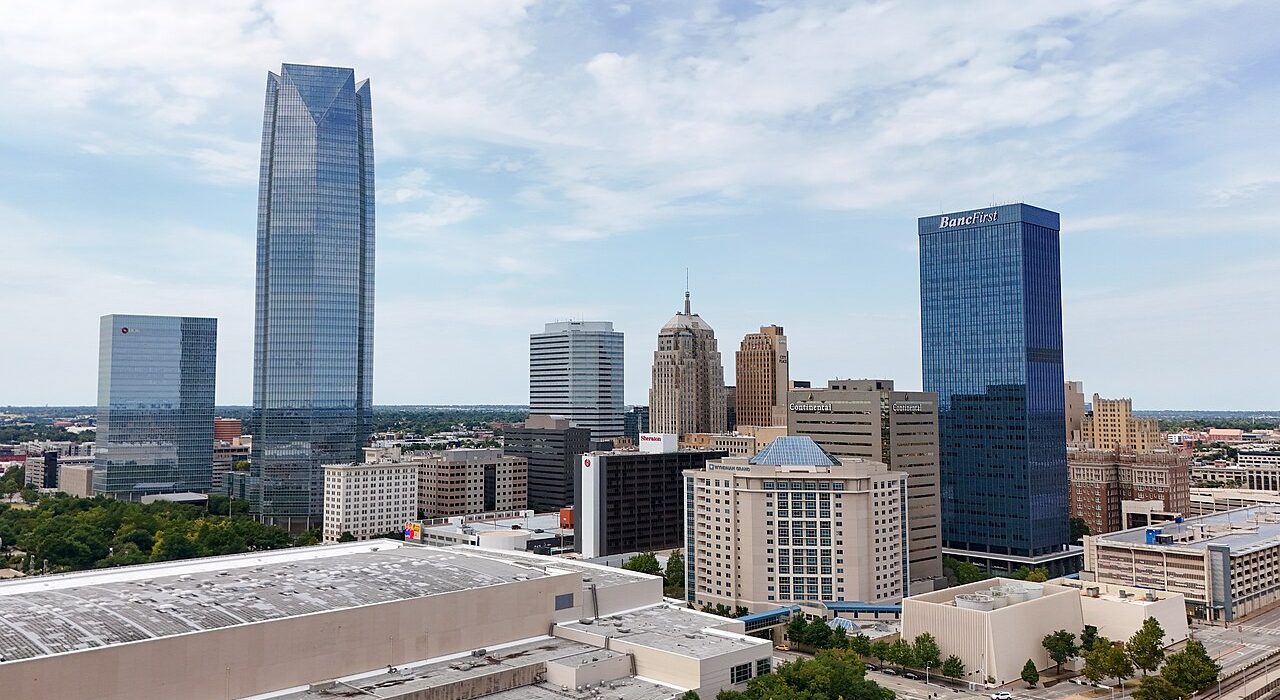

Texas and Oklahoma sit in the middle of a direct almanac contradiction this winter. The Old Farmer’s Almanac lists the Texas-Oklahoma region as warmer and drier than normal, while the Farmers’ Almanac puts the same part of the country in a wetter-than-normal, stormy pattern.
Neither almanac is an official forecast, and both were written months ahead of the season. Still, the split is one of the starkest of the 2026-2027 outlooks, and it shows up clearly when the regional wording is placed side by side.
The Old Farmer’s Almanac: Warm and Dry

According to the Old Farmer’s Almanac regional table, the Texas-Oklahoma region is listed as above normal for temperature and below normal for precipitation, with near-normal snowfall. The coldest periods are early and late January and early February.
The Almanac’s winter overview describes the region as warmer and drier than usual. Snow chances are best in the north during early and late January and early February, the same windows listed as the coldest, which makes those weeks the ones to watch if winter weather does show up.
The drier call lines up with the broader national picture in the Almanac’s outlook, which projects drier-than-normal conditions in parts of the Plains and Southwest while keeping much of the West and parts of the South wet. The earlier report on how the almanacs see the South and Texas covers that wider contrast, and a list of common choices in life that are actually really bad makes a lighter companion read.
The Farmers’ Almanac: Wetter and Stormier
The Farmers’ Almanac goes the other way. In its 2026-2027 winter forecast, Texas falls under a very active southern storm track, with heavier-than-normal precipitation, frequent storms, muddy fields and occasional surges of cold air. When that cold air meets moisture, the Almanac says, sleet, freezing rain or heavy, wet snow are possible.
The Almanac’s regional outlook places both states in its South Central zone, which also includes Arkansas, Louisiana and New Mexico. Texas is described as wetter than normal and stormy, with southern Texas expecting heavier-than-normal precipitation and frequent storms. Dallas is flagged as a city to watch during cold outbreaks. For Oklahoma, the same zone’s wetter-than-normal, stormy pattern applies, and Oklahoma City and Tulsa are advised to monitor forecasts closely during cold intrusions.
A Newsweek summary of the outlook also puts Texas in the storm corridor that runs along the Gulf Coast and lists it among the wettest areas, though it does not mention Oklahoma by name. Anyone planning winter drives can pair the outlook with the report on NHTSA’s winter driving don’ts and the list of 10 winter items AAA says are worth keeping in the car, and a list of the most unflattering things boomers still wear offers levity for a gray day. The report on winter rain on dry ground and flash floods notes why heavy rain on parched soil deserves attention, a point that matters if the wetter outlook proves right, and guides on work-life balance and how to stop procrastinating suit the indoor days either outlook could bring.
Why the Two Outlooks Differ
The gap comes down to moisture and what it means for temperature. A wetter pattern with frequent storms usually comes with cloud cover and periodic cold air, while a warm and dry pattern points to fewer storm systems. The Farmers’ Almanac explicitly leans on an active southern storm track, whereas the Old Farmer’s Almanac leaves the region below normal on precipitation.
They overlap more than the headlines suggest. Both mention cold spells in the region, and both leave open the possibility of wintry weather. The Old Farmer’s Almanac lists early and late January and early February as the coldest periods, and the Farmers’ Almanac says cold surges could produce sleet, freezing rain or heavy, wet snow. The practical gap is whether those cold spells arrive in a wet pattern or a dry one.
Geography also explains part of the difference. The Farmers’ Almanac separates the Plains states into a different zone, where it expects fast-moving clippers and brief snowy periods, so the wetter call applies to the southern zone that holds Texas and Oklahoma rather than to the whole middle of the country. The Old Farmer’s Almanac, by contrast, treats Texas and Oklahoma as a single region with one set of numbers, which means a reader in Amarillo and a reader in Houston see the same temperature and precipitation labels, even though the weather on the ground can be very different.
What to Take From the Split
With the winter solstice on Dec. 21, the season is still weeks away from its official start, and almanac forecasts are long-range outlooks rather than predictions for specific storms. The Old Farmer’s Almanac regional table carries an Oct. 8, 2026 byline, and the Newsweek report on the Farmers’ Almanac ran Aug. 10.
The more reliable move is to check the local National Weather Service forecast when a cold front approaches, and to treat the almanacs as seasonal color. If the drier outlook wins, a mild, dry winter would simply be an easy one.
Get stories like this by email. Sign up for Crafting Your Home.
This article was produced with AI assistance and edited for accuracy against the sources linked above.
Image: Quintin Soloviev – CC BY 4.0/Wikimedia Commons
