Surprising Genetic Quirk That Makes You Crave Some Foods (And Completely Turn Your Nose Up at Others)

The world of food is as diverse as it is delicious, and one thing is clear: taste is highly subjective.
While we might relish the idea of a decadent cheese platter, others could find it unappealing, or even unpleasant. Why is that? The answer lies not just in cultural influence or personal preference, but in our very genes. From lactose intolerance to the love of spicy food, genetics plays a profound role in shaping our culinary tastes, making the concept of “food culture” even more fascinating.
Let’s dive deep into the scientific reasons behind why certain foods are beloved by some and intolerable to others, across the globe.
Lactose Tolerance
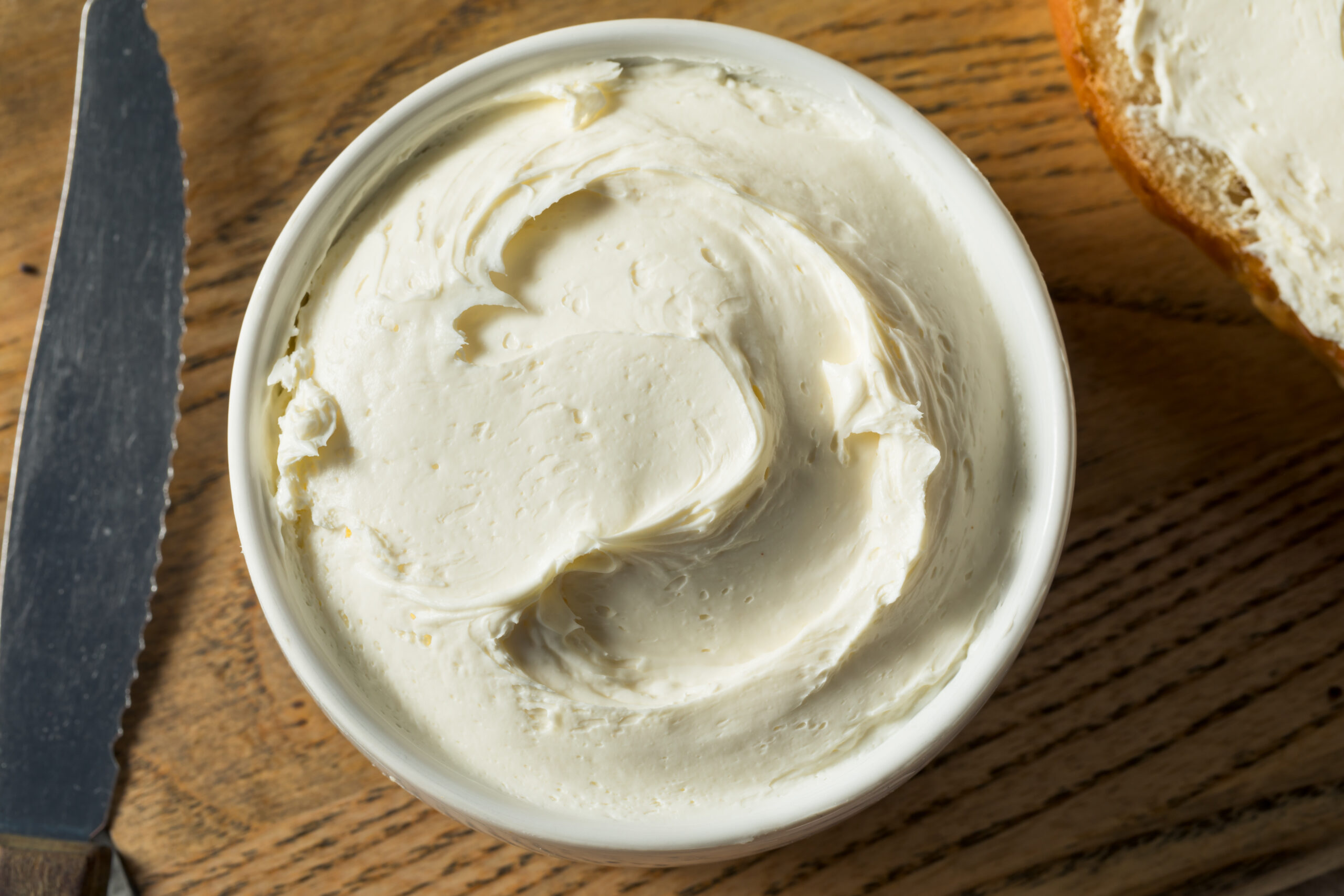
For many people around the world, the idea of indulging in a creamy cheese or a rich bowl of ice cream may seem like a simple pleasure. However, for others, the very thought of consuming dairy products causes serious discomfort. The reason for this discrepancy is rooted in lactase persistence, a genetic trait that allows some people to continue producing lactase, the enzyme necessary to digest lactose, into adulthood.
Caucasians and Cheese
Research has shown that Caucasians, particularly those of European descent, are more likely to have lactase persistence, making them less prone to lactose intolerance. This is why dairy products, especially cheese, are such a staple in European diets, particularly in countries like France and Italy, where cheese consumption is both a cultural and culinary hallmark. Lactose tolerance in these populations is thought to have evolved due to the long history of dairy farming in these regions.
Asia
In stark contrast, lactose intolerance is much more prevalent among Asian populations, with up to 90% of people in China experiencing difficulty digesting dairy. This genetic predisposition likely developed because dairy farming was not common in many parts of Asia historically. As a result, populations adapted genetically to avoid the discomfort that comes with consuming dairy, making cheese and other dairy products far less common in Asian cuisine.
Cultural Impact: The stark difference in dairy consumption habits, influenced by genetics, has led to the development of alternative ingredients like soy milk, rice milk, and other dairy-free options that have become central to various Asian cuisines.
Spicy Food
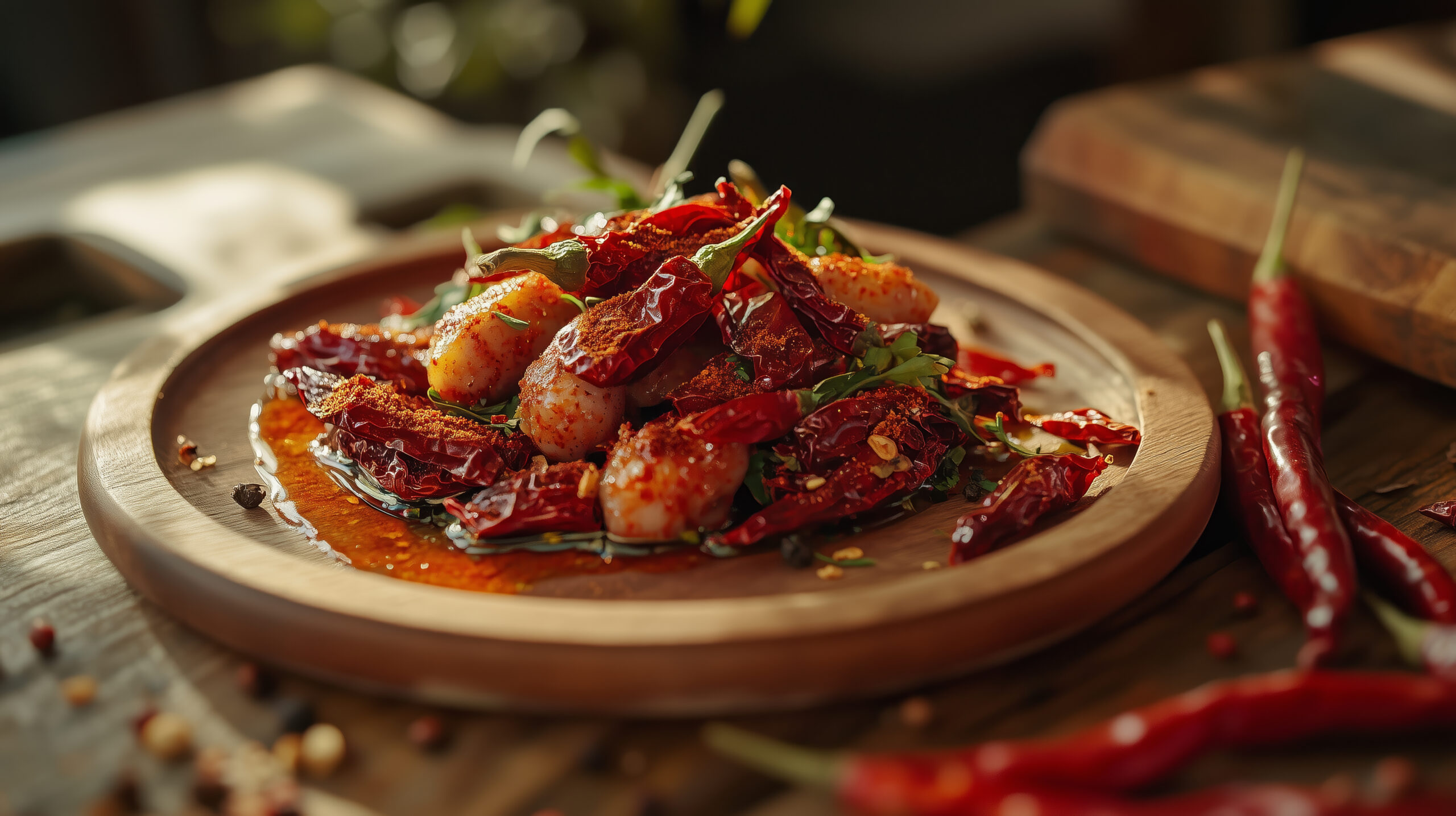
If you’ve ever felt your heart race after taking a bite of a particularly spicy pepper, you may have unwittingly triggered your adrenaline system. The sensation of heat and burn from spicy food is actually the body’s way of reacting to what it interprets as pain, causing a spike in adrenaline and an increase in heart rate.
Spicy Food and Thrill-Seeking Behavior
Studies show that people who enjoy spicy food tend to be thrill-seekers, individuals who enjoy activities that trigger a fight or flight response, like extreme sports or rollercoaster rides. This connection between genetics and taste preference suggests that spicy food lovers are more likely to find the pain of spicy food enjoyable rather than unbearable.
Geography and Spicy Food
In cultures like those in Latin America, spicy food is often introduced at a young age, even in the form of spicy candies. This early exposure helps strengthen nerve endings, making it easier for these individuals to tolerate and enjoy spicy cuisine as they grow older. Additionally, there may be a genetic predisposition in certain Latin cultures that allows them to enjoy the heat, passed down through generations.
Cultural Impact: In countries like Mexico, India, and Thailand, spicy dishes are not just culinary traditions; they’re ingrained in the culture and part of daily life. The ability to handle spice has become a social norm, often tied to cultural identity.
Celiac Disease and Gluten Sensitivity
Gluten, a protein found in wheat, barley, and rye, is commonly consumed around the world, especially in bread, pasta, and pastries. However, for some people, gluten isn’t just difficult to digest, it can trigger Celiac disease, a serious autoimmune disorder. Celiac disease occurs when the immune system mistakenly attacks the small intestine upon ingesting gluten, causing severe digestive issues and long-term health complications.
Regional Genetic Differences in Celiac Disease
The prevalence of Celiac disease is significantly higher in Northern India, particularly in Punjab, compared to Southern India. One reason for this disparity could be the region’s dietary habits. While the South predominantly relies on rice, which is naturally gluten-free, the North leans more heavily on wheat-based products like naan and roti, leading to a higher risk of developing the disease. Genetics plays a crucial role, as certain populations in the North have a genetic disposition toward gluten sensitivity.
Cultural Impact: As a result, Southern India has a lower incidence of gluten-related health issues, and rice remains the primary staple in the region’s cuisine. In contrast, the Northern region has started exploring gluten-free options to cater to an increasing number of affected individuals.
The Addictive Nature of Cheese
For many people, cheese is not just a food, it’s an obsession. Cheese contains a protein called casein, which, when broken down during digestion, releases casomorphins, compounds that trigger pleasure in the brain, similar to the way opioids work. This addictive quality of cheese has made it one of the most universally loved foods, especially in the West.
Cheese Addiction and Genetics
Genetic studies suggest that people with higher levels of casein tolerance are more likely to crave cheese and experience its addictive effects. The genetic variation that allows for lactose persistence in some populations may also contribute to their love for cheese, as they are able to digest it without the negative side effects of lactose intolerance.
Cultural Impact:
Countries with a strong cheese culture, such as France, Italy, and Switzerland, have long embraced cheese as a central part of their cuisine. The addictive nature of cheese, combined with a cultural love for dairy products, explains why cheese remains such an iconic food item in these regions.
Maple Sugar and Diabetes in Native American Populations
Maple sugar has long been a staple in Native American cuisine, particularly among northern tribes in the U.S. and Canada. Historically, 12% of the Native American diet consisted of maple sugar, which was used in various dishes. However, the widespread adoption of processed foods during the 20th century, especially after the forced relocation of many Native American tribes to reservations, led to dietary shifts that have contributed to a rise in type 2 diabetes within these communities.
The Role of Genetics in Diabetes Risk
Native American populations carry a gene that makes them more prone to developing type 2 diabetes. This gene, in combination with high sugar consumption and an increase in processed foods, has led to a significantly higher incidence of the disease among Native Americans. This phenomenon highlights the interaction between genetics and dietary changes in the development of chronic conditions.
Cultural Impact: There has been a growing movement within Native American communities to return to a more organic diet that incorporates traditional foods, such as maple sugar, in order to combat health issues like diabetes and obesity.
Conclusion
The connection between genetics and food preferences is a captivating field that sheds light on how deeply our biology influences our relationship with food. From lactose intolerance to a love of spicy foods, genetics plays a pivotal role in shaping our culinary experiences. These genetic factors are often intertwined with cultural and regional influences, creating unique food traditions across the globe.
Whether it’s the ability to digest dairy, the enjoyment of spicy dishes, or the genetic predisposition to diseases like Celiac disease, understanding the science behind our food preferences offers new insight into why we love or hate certain foods. As our understanding of genetics deepens, it opens the door to even more discoveries about how our genes shape our relationship with food, and ultimately, our health.
Read the original article on crafting your home