Superstitions That Once Consumed Entire Cultures

Image Credit: Karola G via pexels
Superstitions are often seen as irrational beliefs, and those who don’t follow them typically show little interest in avoiding ladders on sidewalks or knocking on wood. They don’t carry lucky charms or toss salt over their shoulders. This attitude may describe much of the world’s population today. However, history offers a different perspective.
For centuries, entire cultures built their lives around rituals and traditions that we would now consider purely superstitious. Civilizations once postponed ceremonies, feared eclipses, appeased spirits, or rebuilt temples based on omens that influenced everything from politics to personal safety.
This list explores the 6 cultures and communities that were once deeply influenced by superstition—sometimes for centuries—and examines how these beliefs shaped their fears, customs, and survival.
The Aztec Calendar and the End of the World
The Aztecs, a society known for its intricate knowledge of astronomy, believed time was cyclical rather than linear. This deep belief was reflected in their dual-calendar system: a 365-day solar year and a 260-day ritual cycle. Every 52 years, these two calendars realigned, and it was feared that the world would end during this period of alignment.
When the calendars were set to converge, the Aztecs plunged into total darkness, extinguishing all flames and waiting for the terrifying moment of reckoning. This cosmic event led to the New Fire Ceremony, held on the Hill of the Star. The fate of the world rested on the successful lighting of a sacred fire using the chest cavity of a sacrificial victim.
If the flame caught, it was considered a sign that the sun would rise again, marking the beginning of a new 52-year cycle. In this moment, every person in the empire breathed a sigh of relief, knowing they had successfully appeased the cosmic forces and avoided apocalyptic disaster.
The Cult of the Fox Spirit in Late Imperial China
During the Ming and Qing Dynasties, the belief in fox spirits (huxian) dominated the cultural landscape of China. These spirits, said to possess humans, grant wealth, or cause illness, were as powerful as the emperor in the eyes of the people. Towns and villages built shrines to appease these supernatural beings, fearing that ignoring the spirits would lead to disaster.
The fox spirits were viewed as evil, benevolent and their influence was undeniable. Despite efforts by the state to suppress these cults, the belief in fox spirits persisted. Spirit mediums—who claimed to channel the spirits—remained popular, and the presence of fox statues was common in homes, shops, and even government offices.
Over time, fox spirits became a fundamental part of daily life, shaping fears, rituals, and social structures across much of China.
The Great Witch Hunt in Sweden
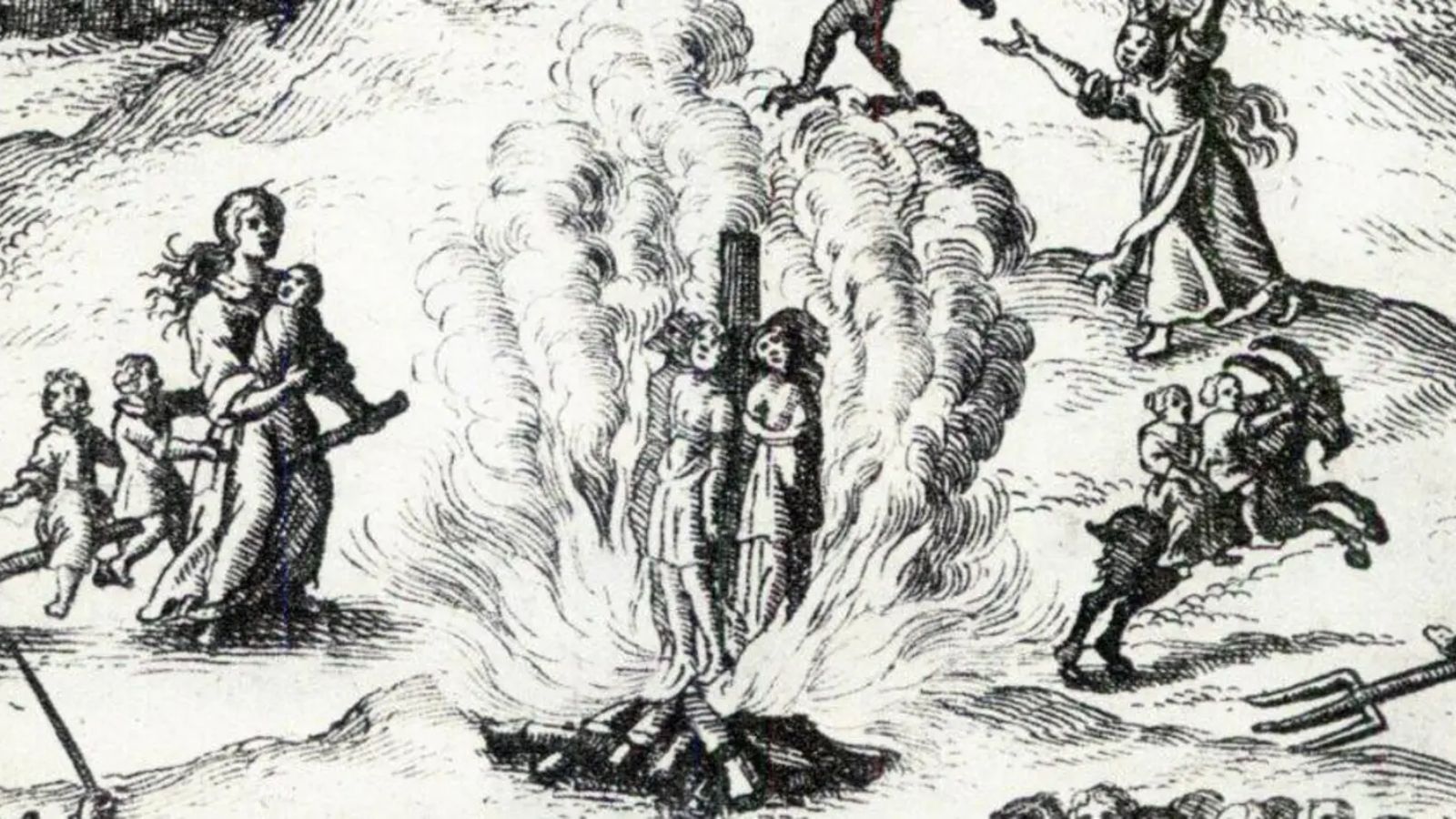
In the late 1600s, Sweden experienced one of the most intense episodes of superstition and fear ever documented—The Great Witch Hunt, or Det stora oväsendet. It began in 1668, when children in Dalarna began claiming they had been abducted by witches and taken to the mythical mountain of Blåkulla, where the devil supposedly hosted feasts.
What began as child stories soon spiraled into mass hysteria, with neighbors accusing each other of witchcraft. The fear escalated, and in 1675, a mass witch purge took place, with 71 people—mostly women—executed in a single day. This mass panic didn’t die down until 1676 when King Charles XI intervened, appointing royal commissions to review the evidence.
Upon closer inspection, many of the children’s testimonies were found to be fabricated, and the hysteria abruptly ended. For nearly a decade, however, Sweden was gripped by the belief that witches walked among them, wreaking havoc on their lives.
The Number Four and Death in East Asia
In many parts of East Asia, particularly in China, Korea, Japan, and Taiwan, the number four holds a particularly ominous place in cultural superstitions. This aversion, known as tetraphobia, arises because the pronunciation of the word for “four” in Chinese is very similar to the word for “death.” As a result, the number four was avoided in everything from architecture to personal interactions.
In practice, this superstition led to entire buildings skipping the fourth floor—much like Western skyscrapers often omit the thirteenth. Hospitals, hotels, and even phone numbers were carefully constructed to avoid the dreaded number, and even modern airlines and telecommunications avoid using it in their numbering systems. This deeply ingrained cultural fear has persisted for over two millennia, profoundly influencing everyday life in East Asia.
The Black Death and the Persecution of Jews
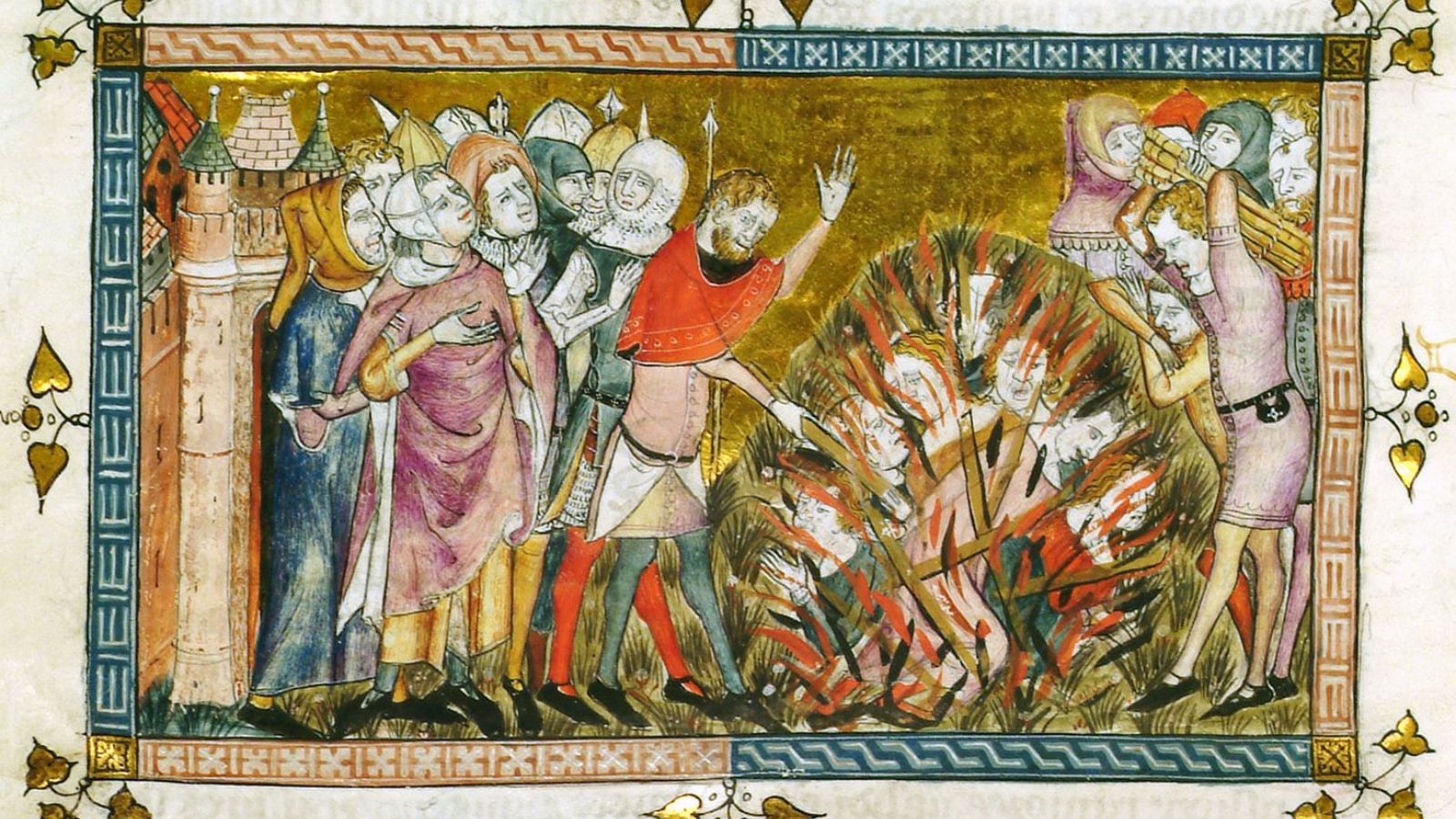
The Black Death of the 14th century devastated Europe, killing millions of people. As the plague spread, it prompted widespread fear and confusion. Superstitions ran rampant, and one of the most harmful beliefs was that Jewish communities had poisoned wells, causing the plague. Fueled by these irrational fears, violent pogroms erupted across Europe.
In 1349, nearly 900 Jews were burned alive in Strasbourg alone, while other Jewish communities were exiled, converted, or destroyed. Though modern science later identified Yersinia pestis as the bacterium responsible for the plague, the superstition that Jews were the culprits persisted for generations. This tragic episode not only fueled deadly violence but also entrenched antisemitism across the continent for centuries, leaving deep scars on European society.
Omens and Augury in Ancient Rome
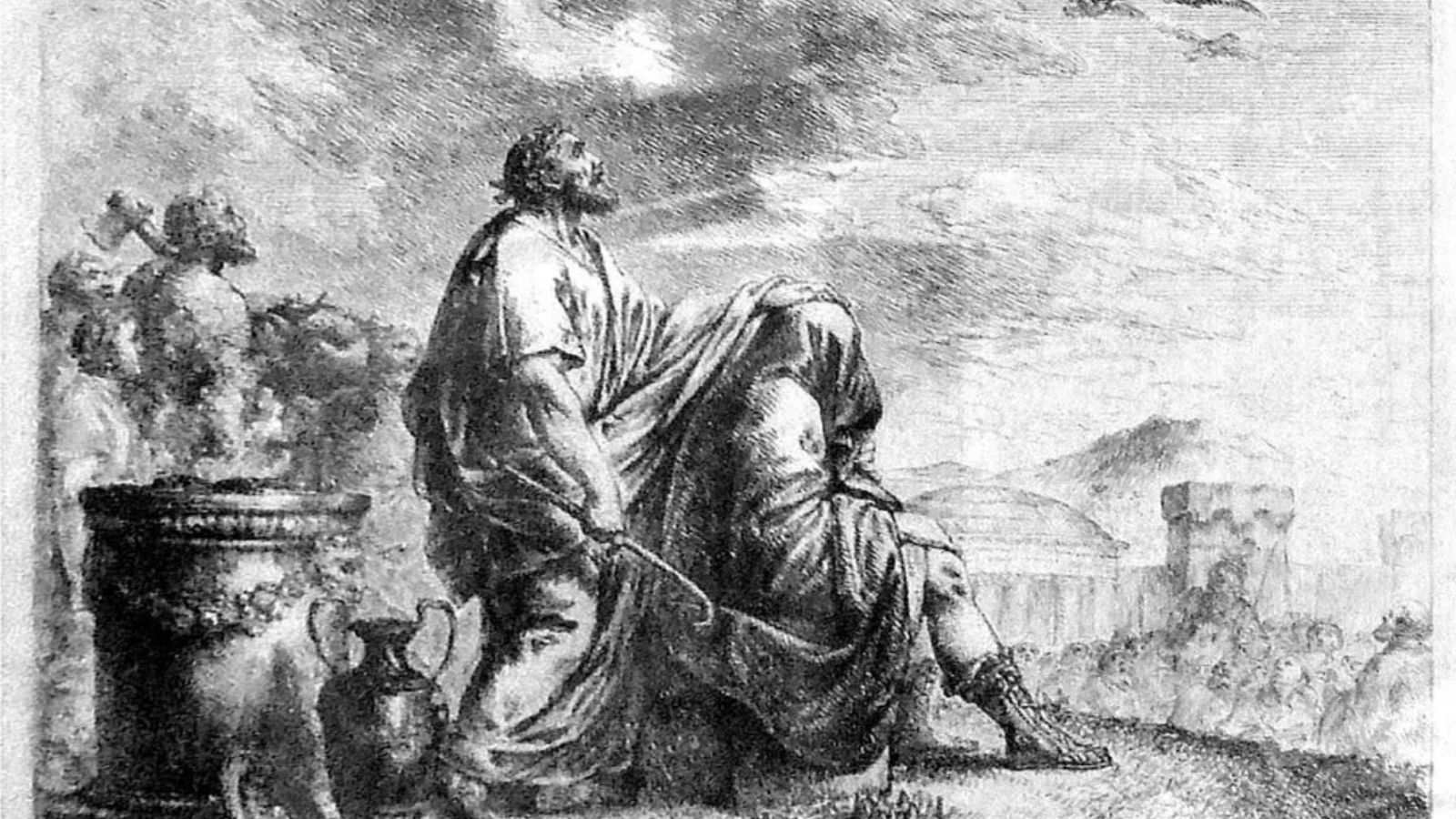
In ancient Rome, superstitions were intricately woven into the fabric of daily life. The Romans consulted augurs—priests who interpreted the behavior of birds—to make decisions about everything from military campaigns to political policies. For example, if birds flew in an unfavorable direction or refused to eat during a ritual, it was considered a bad omen, delaying important decisions such as war declarations or Senate votes.
Roman generals and even emperors placed significant trust in these auguries, believing that the fate of their empire could hinge on the behavior of birds or the appearance of lightning. Political decisions, wars, and personal fates often rested on the perceived will of the gods, expressed through signs in the natural world.
Key Take Aways
In today’s modern world, superstitions have largely faded into the background. However, their influence still lingers in subtle ways, whether in the avoidance of the number 4 in East Asia or the lingering myths that still circulate today. By understanding these cultural practices, we gain a deeper appreciation for the role that belief systems have played in shaping human history and identity.