7 Strange House Rules That Will Leave You Scratching Your Head

Image Credit: RDNE Stock project via pexels
Hosting guests in your home is a tradition steeped in hospitality and comfort. However, some hosts have rules and expectations that go beyond the norm, veering into the bizarre and even the downright strange. These unconventional house rules can turn a simple visit into an uncomfortable, puzzling experience, offering a fascinating glimpse into the host’s psyche.
Here are some unusual house rules that some guests have had to follow while staying in someone else’s home. Some of these rules may leave you laughing, while others might make you feel relieved that you’ve never encountered such an experience.
You Can’t Eat and Drink at the Same Time
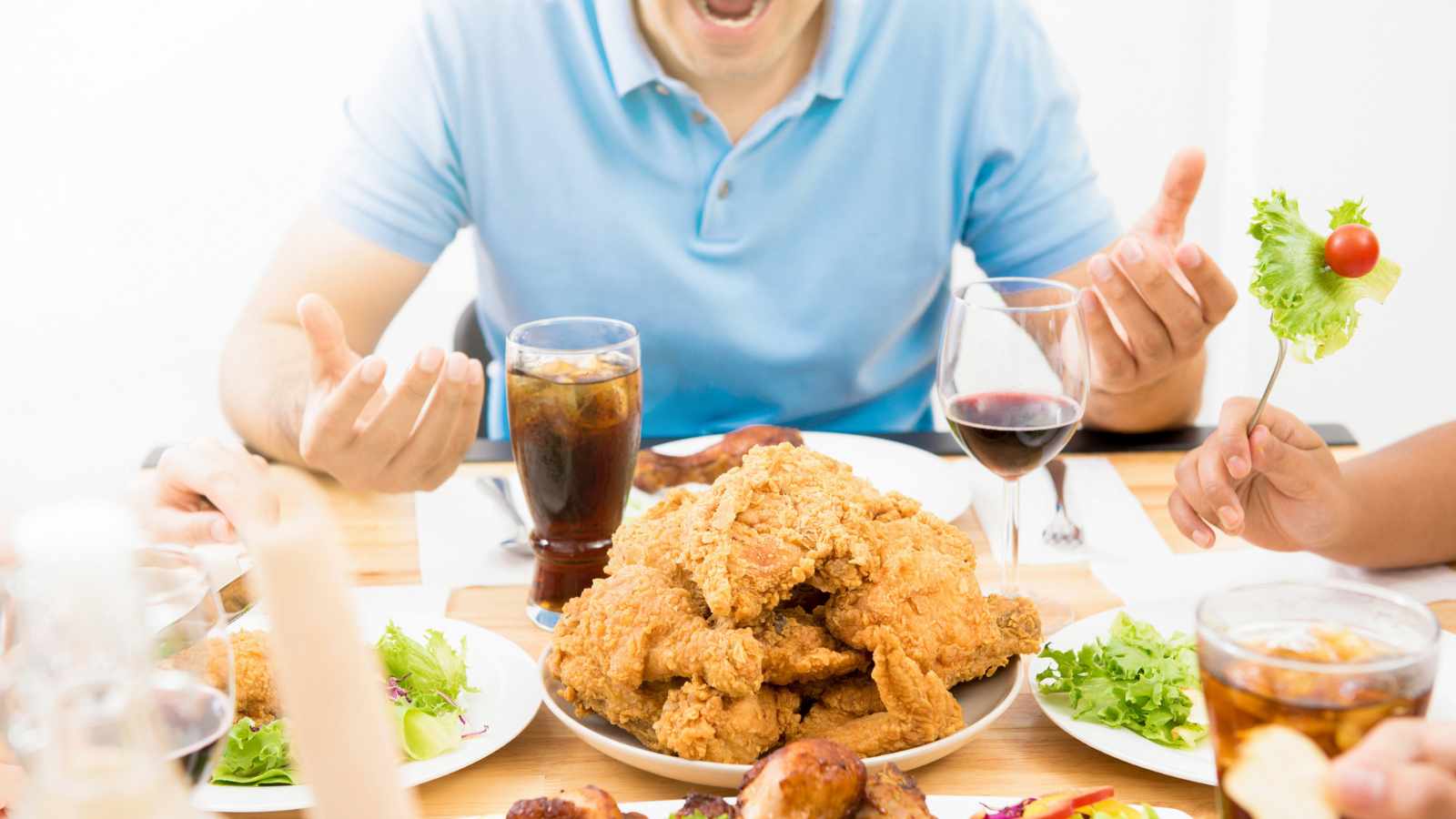
This one will surely raise eyebrows. In some households, guests are forbidden from eating and drinking simultaneously, an arbitrary rule that has no clear basis in standard etiquette or logic. This bizarre restriction is often rooted in the host’s own anxieties about food, and it can make a guest feel uncomfortable and disoriented as they try to follow an illogical rule that runs counter to common social behavior.
This rule, with no real explanation, is an example of a power move by the host, trying to impose control over something as natural as eating and drinking.
You Must Ask Permission to Eat Anything but Water
Imagine walking into someone’s home only to be told that you must ask for permission before having a snack. Water is the only exception, as anything else requires explicit approval. This rule is a form of control over the household’s resources, turning the home into a restrictive space where guests feel like children rather than respected visitors. Such behavior undermines the fundamental principles of hospitality.
This type of rule is a stark reminder of the unhealthy power dynamics that can exist in some households, where control over basic needs is used to assert authority over guests.
No Closed Doors – Not Even in the Bathroom!
Imagine needing to use the restroom, only to be told to leave the door open. This might sound like something from a nightmare, but for some guests, it’s a hard-and-fast rule. This “no closed doors” policy is typically rooted in an obsessive need for control. A closed door represents a boundary that the host feels uncomfortable with, as it might symbolize a loss of control over their environment. This kind of rule often points to deeper psychological issues or past trauma, where the host may feel a heightened sense of anxiety when they can’t physically monitor every aspect of their space.
From a guest’s perspective, this rule shatters the traditional understanding of privacy and can make them feel more like an intruder than a welcome visitor. It’s a stark reminder of how a person’s need for control can influence their hosting behavior.
All Food and Drink Must Be Consumed in the Kitchen
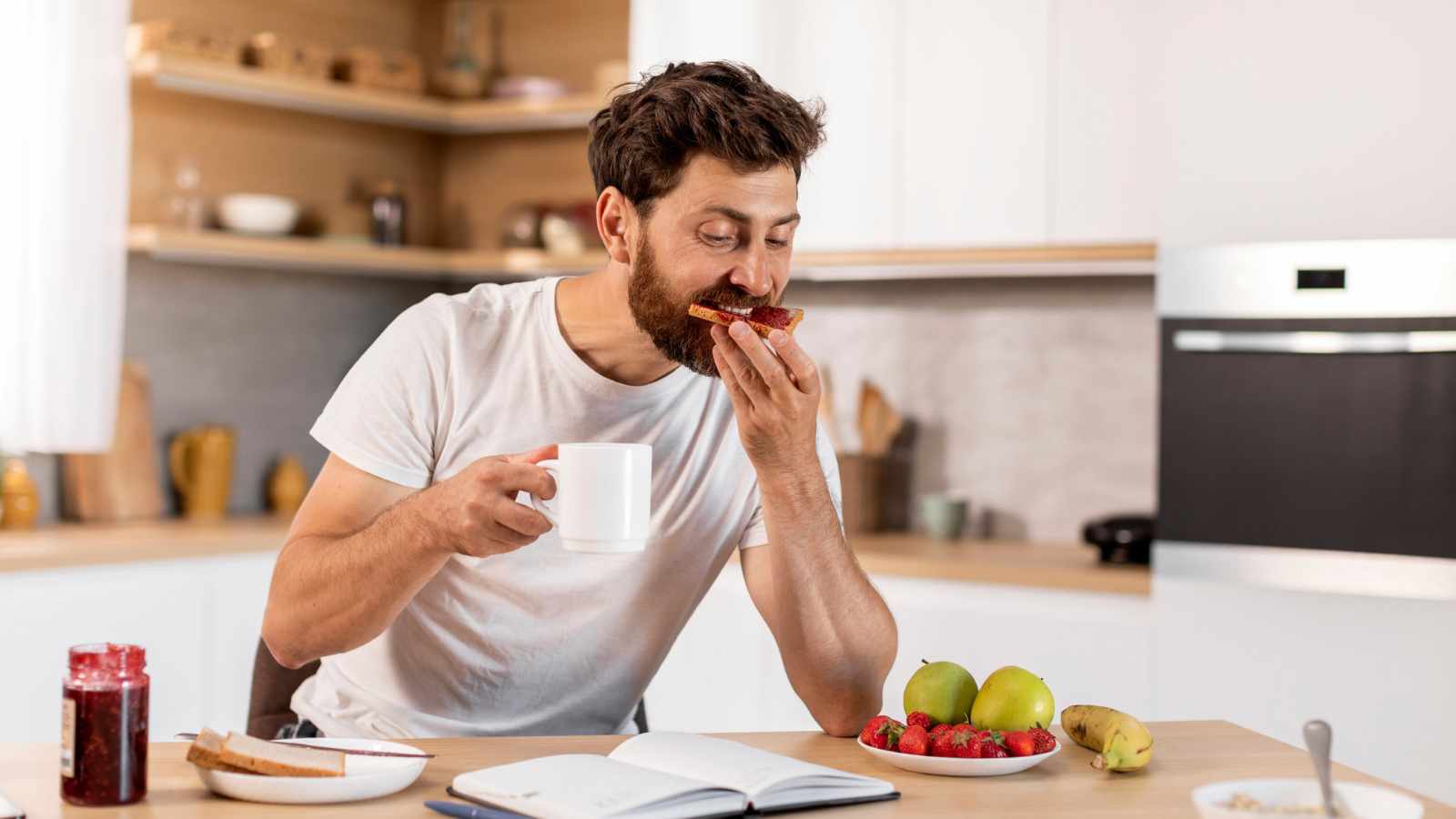
At some homes, the kitchen is strictly off-limits for food or drink consumption outside it. You can’t take your morning coffee into the living room or snack while watching TV. This rule often reflects a host’s obsessive tendencies, particularly an aversion to mess and disorder. The fear of spilled liquids or crumbs can make a host demand that everything be eaten in the kitchen, creating a sterile, almost clinical environment.
In many modern homes, open-concept living encourages shared spaces where food and drink flow freely between the kitchen and living areas. But for some hosts, the fear of disorder can dictate rigid rules about where and how guests may consume food, turning a social gathering into a more formal and uncomfortable experience.
Mandatory 6 a.m. ‘Morning Boot Camp’
For some hosts, no day can begin without a mandatory early morning workout. This might involve a grueling “boot camp” style exercise session, complete with running or calisthenics. Staying active and healthy is certainly beneficial, but imposing such an intense schedule on your guests without their consent is a clear violation of guest etiquette.
Guests should have the freedom to follow their own routines, but when a host turns their home into a military-style camp, they are essentially treating their visitors like recruits rather than guests.
The Cat Rules – No Movement When the Cat is in Your Lap
In some households, the family cat holds ultimate authority. If a guest happens to find themselves with a cat in their lap, they are expected to remain perfectly still until the cat decides to move. This quirky rule reflects a deep sense of comfort and control that the host places on their pet, often prioritizing the cat’s needs over those of their guests. It might seem like a playful family quirk, but it can leave visitors feeling trapped in an awkward position.
We Don’t Use the Washing Machine – You’ll Break It
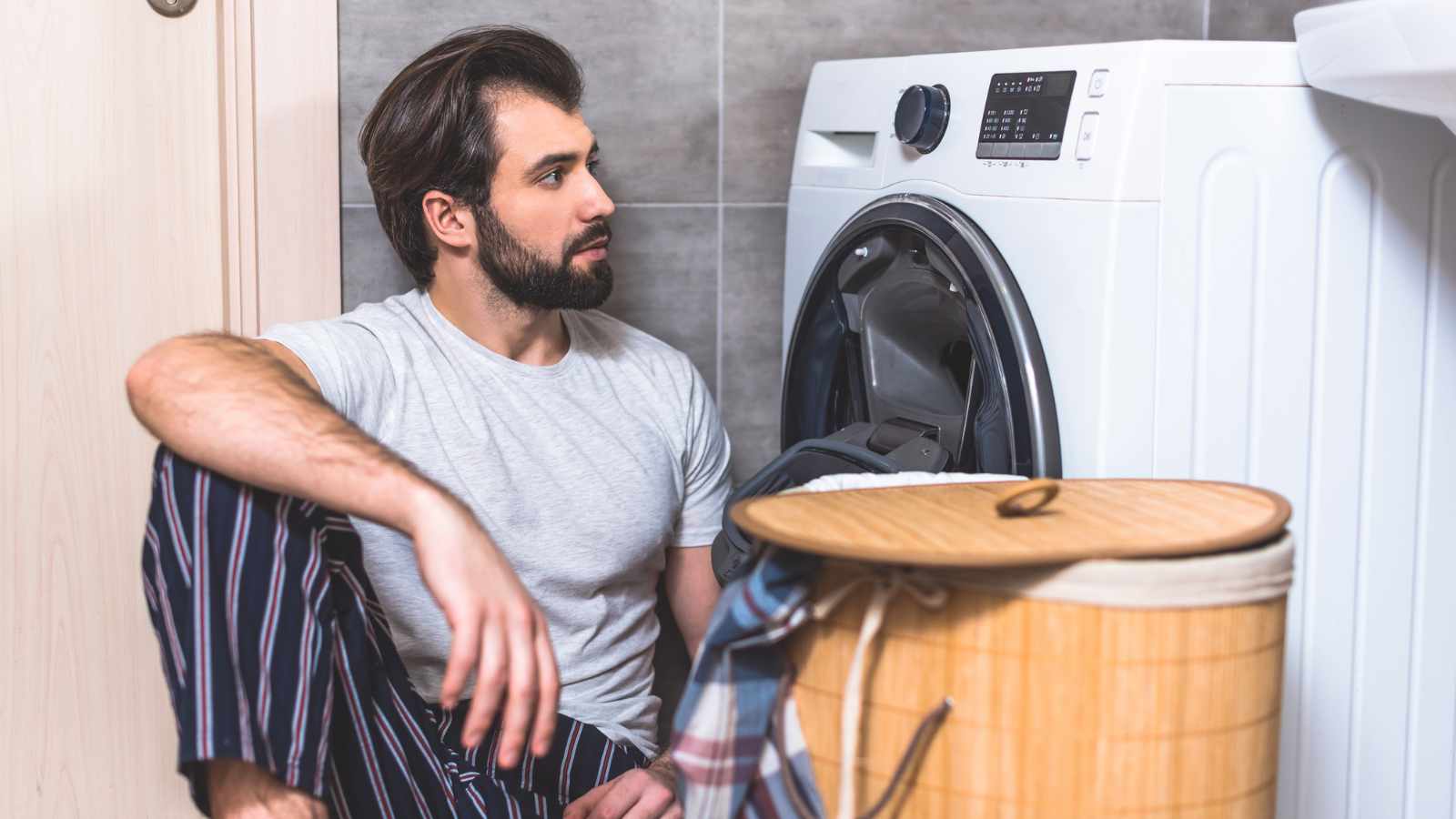
Some hosts go so far as to restrict guests from using household appliances, such as the washing machine or oven, under the pretext that they might “break” them. This restriction creates an awkward, dependent relationship between the host and their guest, leaving the guest unable to care for basic needs, such as cleaning their clothes.
Such rules are rooted in a deep-seated desire to control the household’s routines and resources. For guests, it can create feelings of helplessness and inconvenience, turning what should be a pleasant stay into a series of uncomfortable interactions.
Key Takeaways
These strange house rules might seem absurd at first glance, but they provide fascinating insight into the personalities and anxieties of the hosts who enforce them.
Good hosts know that hospitality is about making guests feel comfortable and welcome. It’s about creating a relaxed atmosphere where people can be themselves, free from arbitrary rules and unnecessary restrictions. The best house rules prioritize the well-being of guests and foster an environment of mutual respect and trust.