


This article was originally published on Crafting Your Home. A human contributor also wrote and edited the post.
A thriving garden does not begin with expensive plants or complicated techniques. It begins underground. The right manure or fertilizer can transform weak soil into a productive growing space, but using the wrong one, or applying too much, can create new problems. The main takeaway is simple: healthy plants start with healthy soil.
Many gardeners focus on what happens above the soil.
The colorful flowers.
The vegetables ready for harvest.
The lush green leaves.
But the real work happens below the surface, where soil shapes plant growth.
Soil is not just dirt. It is a living environment filled with organic matter, microorganisms, minerals, and nutrients that influence how plants grow. Adding compost, manure, or fertilizer can improve soil structure, increase nutrient availability, and help plants develop stronger roots.
The challenge is choosing the right option, especially because different gardens need different support.
A tomato plant may need different support than a rose bush. A flower bed may require different nutrients than a vegetable garden. The best gardeners know feeding plants isn’t about adding more products. It is about giving the soil exactly what it needs, so the main goal stays clear.
Related: Common Flowers to Plant in August for a Garden Full of Fall Color
Composted manure: The natural soil builder gardeners keep returning to
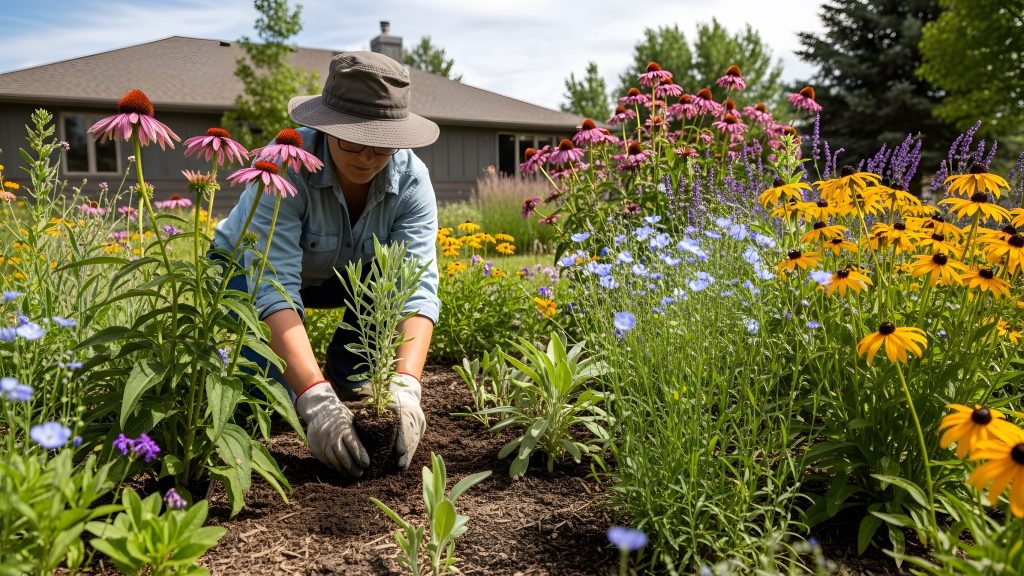
Among all garden amendments, composted manure remains one of the most trusted choices.
Unlike fresh manure, composted manure has been broken down, making it safer and more stable for garden use. It adds organic matter while supplying nutrients that support plant growth.
Composted manure helps improve:
- Soil structure
- Moisture retention
- Drainage
- Microbial activity
- Long-term fertility
For gardeners dealing with sandy soil that dries quickly, manure can help hold moisture. For gardeners dealing with heavy clay soil, it can improve aeration and drainage.
The best types of composted manure include:
Cow manure: A gentle, well-balanced option suitable for many gardens. It improves soil texture and provides slow-release nutrients.
Horse manure: Rich in organic matter and useful for improving soil structure, but it should be properly composted before use.
Chicken manure: One of the most nutrient-rich options, especially high in nitrogen. Because it’s so potent, compost it or apply it carefully to avoid damaging plants.
Worm castings: Often called “black gold” by gardeners, worm castings provide nutrients while supporting beneficial soil life.
The key word is composted.
Fresh manure can be too strong for many plants and may contain unwanted weed seeds or pathogens.
Compost: The garden’s natural recycling system
Compost has become one of the most popular choices among homeowners because it improves the entire soil ecosystem.
Made from decomposed organic materials such as leaves, grass clippings, and food scraps, compost adds valuable organic matter to the soil.
The impact goes beyond feeding plants.
Compost helps soil hold water better, improves drainage, supports beneficial organisms, and creates better conditions for root growth. The U.S. Environmental Protection Agency highlights compost’s role in improving soil health by enhancing physical, chemical, and biological properties.
For flower gardens, vegetable beds, and landscaping areas, compost is often the foundation of long-term soil improvement.
However, gardeners should understand one important point:
Compost improves soil, but it may not always provide enough nutrients for heavy-feeding plants. Some crops still require additional fertilizer support.
Related: Best Ways to Save Water on Your Lawn and Garden During Dry Weather
Organic fertilizers: Slow and steady plant nutrition
Organic fertilizers are popular among gardeners who want a natural approach to feeding plants.
These fertilizers come from plant, animal, or mineral sources and release nutrients more gradually than many synthetic products.
Common organic fertilizer choices include:
Blood meal: A nitrogen-rich fertilizer that supports leafy growth.
Bone meal: Provides phosphorus, which helps support root development and flowering.
Fish emulsion: A liquid fertilizer that provides nutrients quickly and is often used during active growing seasons.
Seaweed-based fertilizers: Often used as a supplement to support overall plant health.
Organic fertilizers can be especially helpful for gardeners who want to build soil fertility over time rather than provide a quick nutrient boost.
Synthetic fertilizers: Fast results when used correctly
Synthetic fertilizers remain popular because they provide precise nutrient combinations and produce quick results.
Most are labeled using three numbers known as N-P-K:
- Nitrogen (N) supports leaf and stem growth.
- Phosphorus (P) supports roots and flowers.
- Potassium (K) helps overall plant strength and resilience.
For example, a fertilizer labeled 10-10-10 contains equal amounts of nitrogen, phosphorus, and potassium.
These fertilizers can help gardens with specific nutrient deficiencies. However, applying too much fertilizer can cause problems, including nutrient runoff and plant damage. Garden experts recommend following application instructions and testing soil when possible.
More fertilizer does not always mean more growth.
Sometimes it means stressed plants.
The best fertilizer depends on what you are growing.
No single fertilizer works perfectly for every garden.
Vegetables often need different nutrients at different growth stages.
Leafy greens benefit from nitrogen because it supports foliage development.
Tomatoes and peppers need balanced nutrition throughout the season because they must produce flowers and fruit.
Flowering plants often benefit from nutrients that support blooming and root strength.
Lawns may require different treatment compared with vegetable beds or container gardens.
The smartest gardeners start by understanding their soil and plants, not by buying the first fertilizer they see.
Common mistakes that can ruin a garden
Even good products can cause problems when used incorrectly.
One of the biggest mistakes is overfeeding.
Too much nitrogen can create excessive leafy growth while reducing flowers or fruit.
Another mistake is ignoring soil quality.
A struggling garden may not need more fertilizer. It may need better soil structure, more organic matter, or improved drainage.
Garden experts often recommend soil testing before making major changes because it reveals nutrient levels and helps prevent unnecessary applications.
The future of gardening starts with feeding the soil, and the best gardens are not built by constantly adding more products.
The best gardens are not built by constantly adding more products. They are built by understanding what the soil needs. That is the lesson to remember.
They are built by understanding what the soil needs.
Composted manure creates a stronger foundation.
Compost improves soil life.
Organic fertilizers provide steady nutrition.
Synthetic fertilizers can solve specific problems when used carefully.
Each has a place.
The goal is not simply bigger plants.
It is healthier soil that continues supporting growth season after season. Because the secret to a beautiful garden is not hidden in the leaves; it is in feeding the soil well, so every season starts stronger. It waits beneath your feet, and it keeps your garden growing.
Other Posts You May Like
How to Make an Adorable Well for Your Fairy Garden: Step-by-Step Guide
7 Garden Pests That Are Eating Your Plants—and How to Stop Them
17 Rapid Growth Shrubs to Transform Your Yard into a Lush, Private Oasis
If you like what you just read, then subscribe to our newsletter and follow us on social media.


