
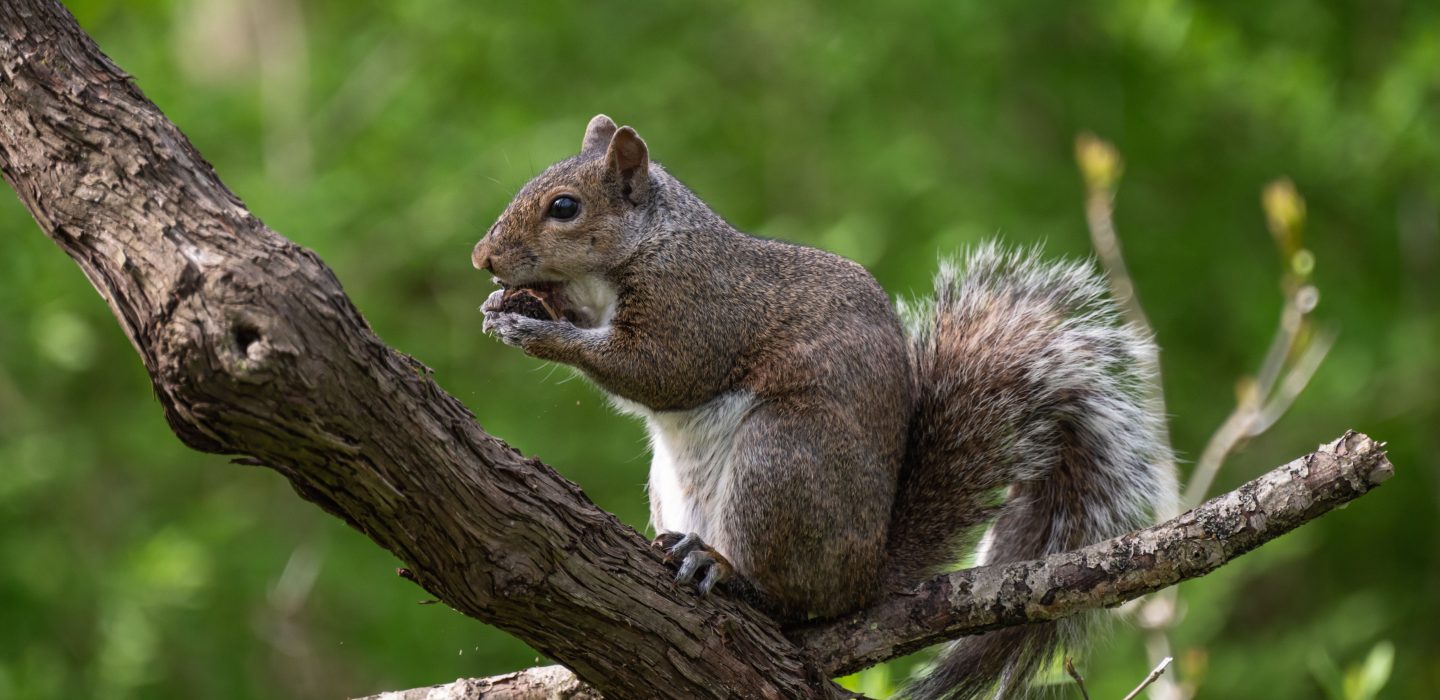

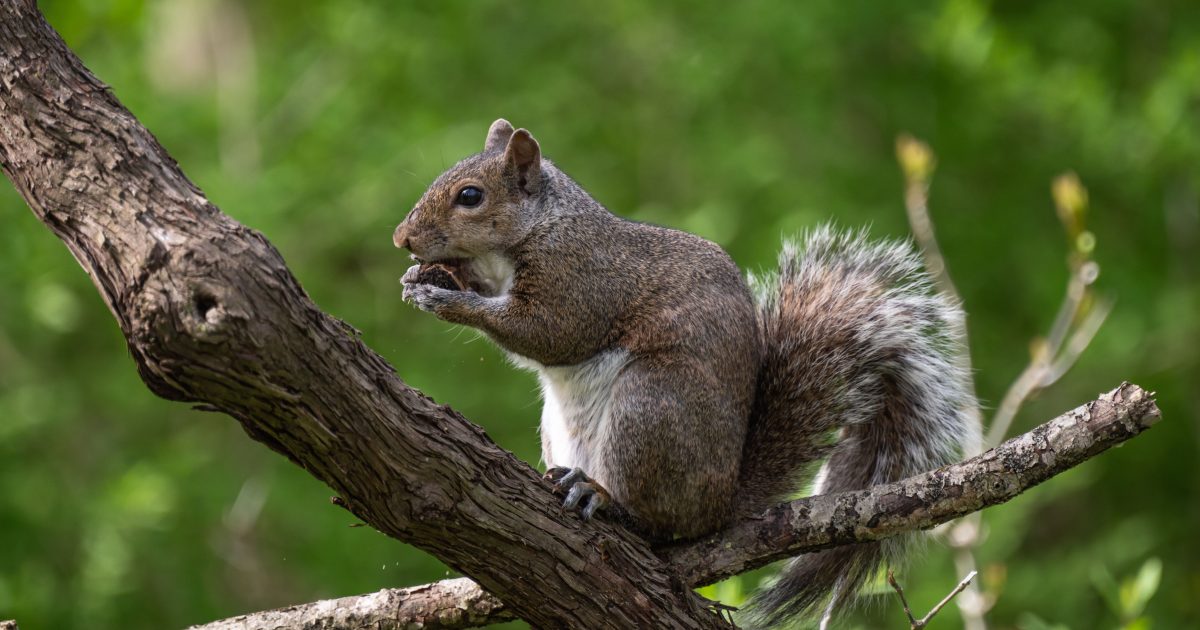
The post Squirrels Digging Holes All Over Your Lawn? Here’s What They’re Actually Looking For first appeared on Crafting Your Home
You spent the weekend mowing your lawn, pulling weeds, and making the yard look presentable. Everything seemed fine until you stepped outside and noticed several small holes scattered across the grass. By the following morning, there were even more. And the squirrels running around your backyard suddenly looked a little suspicious.
Before you worry about underground pests or spend money on lawn treatments, know this. Those squirrels may not be digging for something already beneath your grass. In many cases, they’re trying to hide something there.
According to the University of California’s Integrated Pest Management Program, tree squirrels commonly dig holes in lawns and gardens to bury nuts, acorns, and seeds. The behavior is especially noticeable during fall, when squirrels are busy collecting and storing food.
What looks like senseless destruction to a homeowner may actually be part of a squirrel’s carefully organized food-storage routine.
Related: Squirrels Don’t Find Every Nut They Bury — and That’s How Many Oak Forests Get Planted
Your Lawn Might Be a Squirrel’s Secret Pantry
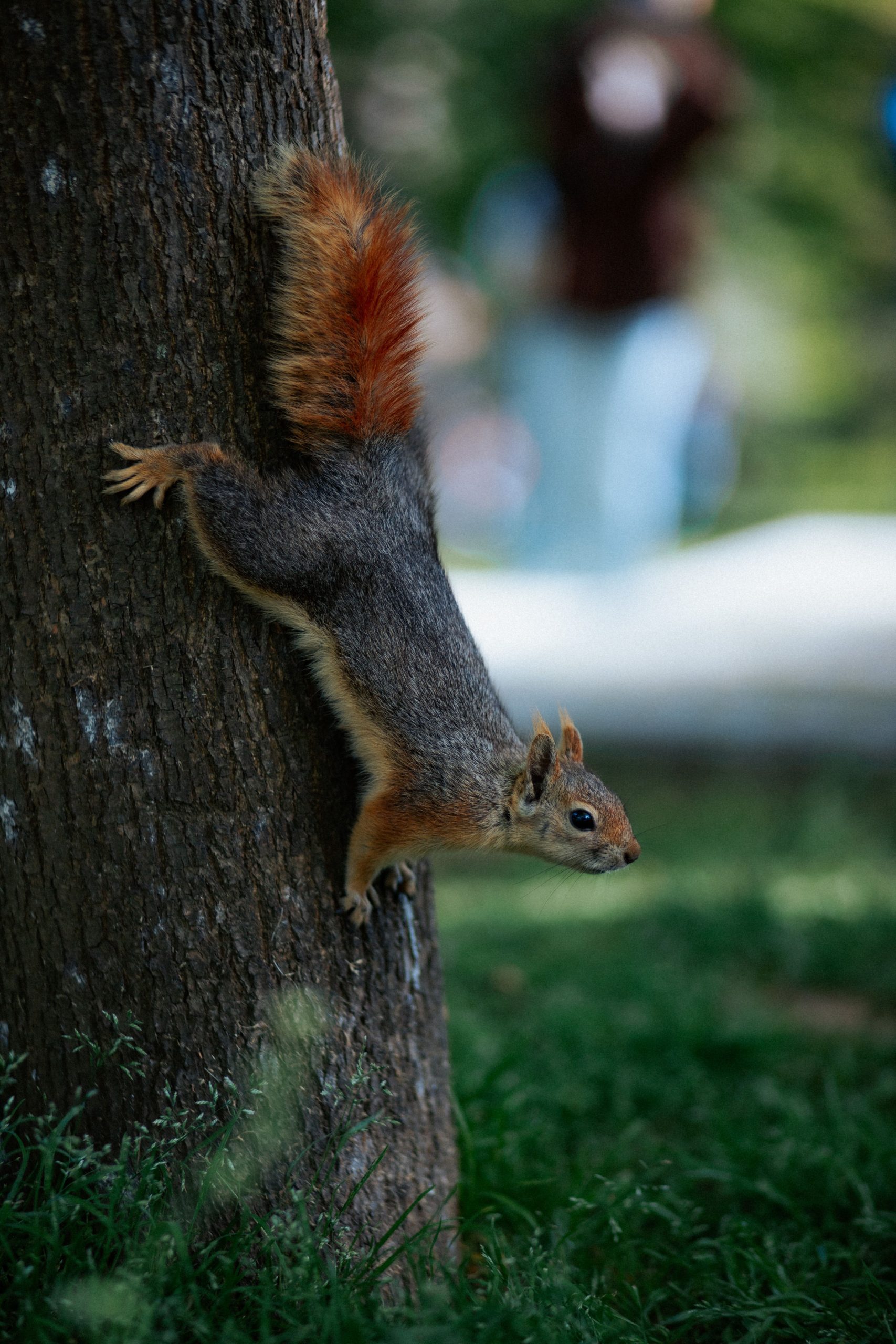
Imagine preparing for a busy season by placing groceries in different storage spaces around your home. Now imagine forgetting exactly where you put some of them.
That isn’t much different from what squirrels do when they bury food.
Many tree squirrels use a behavior called scatter hoarding, which involves hiding food in separate locations instead of keeping everything in one place.
A squirrel may dig a shallow hole, place an acorn or nut inside, cover it with soil, and move on to another location.
Your backyard could become one of those storage spots, especially if nearby trees provide nuts and seeds.
The University of California confirms that squirrels frequently create these food caches in garden soil and turf.
And here’s the frustrating part for anyone trying to maintain a spotless lawn: Not every buried item will necessarily be retrieved.
For the squirrel, hiding food may be more important than keeping your grass perfectly smooth.
Related: Squirrels Remember Where They Bury Their Nuts Better Than You Think, Research Shows
They Could Be Looking for Something They Buried Earlier
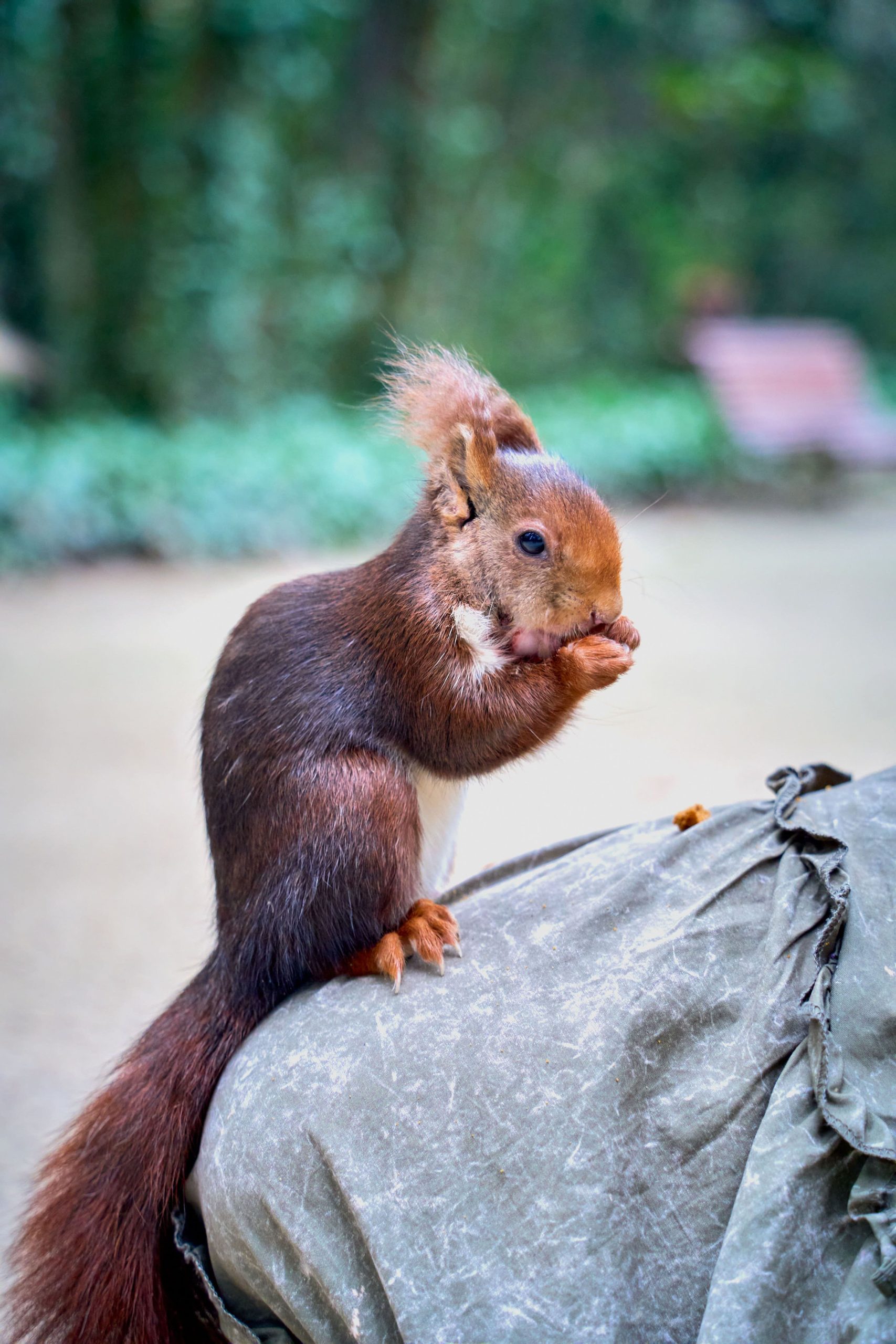
There’s another reason squirrels return to the same lawns.
Sometimes, they’re searching for food they previously stored.
That may explain why a squirrel digs in a spot that looked completely undisturbed the day before.
The animal could be recovering a hidden nut rather than creating a new storage location.
Of course, without watching the squirrel’s behavior, you can’t know whether a particular hole was created during storage or retrieval.
But the distinction helps explain why lawn digging can seem so repetitive.
One afternoon, a squirrel may bury food near your flower bed. On another visit, it might return to retrieve it.
The homeowner sees another damaged patch. The squirrel is simply continuing an ordinary routine.
Related: 11 Makeup Storage Ideas for All Your Favorite Cosmetics
Fall Is a Particularly Busy Time for Squirrels
If you’ve noticed more digging as the leaves begin changing color, the timing may not be a coincidence.
Autumn is an important season for food storage among many tree squirrels.
The University of California identifies fall as a particularly common period for squirrels to dig holes and bury food in lawns and garden beds.
Acorns, nuts, and seeds become valuable resources for animals preparing for times when food may be less readily available.
A property with mature trees may therefore experience noticeable squirrel activity during the season.
That doesn’t mean every hole appearing in October was made by a squirrel.
Other animals also dig in lawns, and their activity may overlap with the same seasonal changes.
Still, seeing a squirrel bury something near a tree strongly suggests that at least some of the small holes are related to food caching.
Related: The Secret to Losing Weight and Keeping it Off: The 15 Best Low-Calorie Foods
The Shape of the Hole Can Tell You Something Important
Before blaming squirrels for every disturbed patch, look closely at what the digging actually looks like.
According to the University of Maryland Extension, squirrels and chipmunks often create small depressions approximately two inches across and a few inches deep.
These openings typically have no obvious mound of loose soil beside them.
That makes them quite different from some types of underground burrows.
You might notice a small, shallow opening with the surrounding grass largely intact.
By contrast, larger patches of overturned sod could suggest that another animal has been searching for food.
The University of Maryland notes that skunks and raccoons can damage lawns while looking for insects and other food beneath the grass.
Moles can also create raised tunnels or soil mounds.
The lesson is simple: Look at the evidence before deciding what caused the damage.
Not Every Squirrel Is Doing the Same Thing
A key difference exists between the familiar tree squirrels running along fences and certain ground squirrels.
Tree squirrels often dig small holes to bury or retrieve food.
Ground squirrels, however, can dig actual burrow systems used for shelter.
The University of California explains that ground squirrel burrows can create more substantial problems around lawns, gardens, and structures.
So if you’re dealing with small, scattered depressions, food storage may be a reasonable explanation.
If you’re noticing large entrances, extensive digging, or piles of excavated soil, the cause may be different.
That is why identifying the animal matters more than simply knowing squirrels live nearby.
An occasional shallow hole and an established burrow are not the same problem.
Related: Ignore Ground Squirrels Now, and Your Property Could Pay the Price Later
Should You Be Worried About the Damage?
Finding holes throughout a carefully maintained lawn can be discouraging, especially when you’ve spent time and money keeping the grass attractive.
But a few shallow depressions don’t automatically signal a serious lawn problem.
The University of Maryland Extension describes much animal-related digging damage as temporary and recommends repairing affected areas rather than trying to stop every animal from digging right away.
Homeowners can fill minor depressions, level disturbed soil, and repair bare patches where necessary.
If grass has been uprooted, reseeding may be appropriate.
The important thing is to determine whether the damage is cosmetic or part of a larger problem.
A handful of small holes may call for a straightforward repair. Widespread damage or evidence of substantial burrows deserves closer investigation.
What About the Bird Feeder in Your Backyard?
If squirrels regularly visit your bird feeder, consider whether that area is attracting additional activity.
Birdseed and nuts can provide accessible food that squirrels may gather.
Seeds dropped beneath a feeder can