7 Skills American Kids Are Silently Losing

Image Credit: peopleimages12 via 123RF
The daily life skills that were once second nature to American kids are gradually slipping away. Technology certainly has its benefits, but it has come at the expense of vital everyday skills that past generations developed naturally. These skills shaped how children interacted with their environments, families, and communities.
Today, it’s not that kids are less capable; they’re simply evolving in a different way, often disconnected from the hands-on, experiential learning that shaped earlier generations.
Reading Analog Clocks

Once upon a time, learning to read an analog clock was an essential skill for every child. It wasn’t just about knowing the time; it was about understanding the concept of time itself. By tracking the movement of the hands, children learned about fractions, how time flows, and the importance of being punctual.
However, with the proliferation of digital clocks, especially on smartphones, watches, and microwaves, analog clocks have become less common. The result? Many kids today struggle with understanding basic concepts like “quarter past” or “twenty to.” To reintroduce this skill, we must bring back analog clocks in schools, homes, and daily routines, so children can rediscover that time is more than just a number on a screen.
Navigating Without GPS
Before the advent of GPS, children learned to navigate the world by studying maps, recognizing landmarks, and understanding the geography of their neighborhoods. Family road trips were an opportunity for children to memorize routes, estimate distances, and identify local landmarks.
With smartphones and GPS apps now doing the work for us, many children today lack the ability to orient themselves in unfamiliar places. Reintroducing map-reading and direction-taking through simple activities such as scavenger hunts or family trip planning can help restore spatial awareness and self-reliance.
Handwriting and Cursive
In the age of typing, handwriting, especially cursive, has slowly faded from American classrooms. Cursive writing was once rigorously taught not only as a tool for effective communication but also as a skill that promoted fine motor control, memory, and cognitive development. Yet, as tablets and laptops take center stage in schools, many children never have the chance to master legible handwriting, let alone cursive.
Reintroducing handwriting instruction, even for short daily tasks, can help bridge the gap between digital learning and tactile experience. Writing by hand not only strengthens motor skills but also promotes deeper cognitive connections, aiding memory retention and comprehension.
Cooking From Scratch

Cooking is more than just preparing food; it’s an essential life skill that connects children to family traditions, nutrition, and basic math. In the past, home economics classes and family meals taught children how to chop vegetables, measure ingredients, and experiment with flavors.
Today, however, children are more likely to rely on microwavable meals or food delivery apps, leaving them disconnected from the act of cooking. To revive this skill, families can set aside time for cooking together, teaching kids how to prepare simple, healthy meals. Not only does this teach self-sufficiency, but it also builds an appreciation for food and its cultural significance.
Simple Repairs
There was once a time when families embraced a do-it-yourself (DIY) culture. Kids watched as adults fixed lamps, tightened loose screws, or repaired household appliances. These small maintenance tasks taught children valuable lessons in patience, problem-solving, and basic mechanical skills.
However, in an era where consumer goods are cheaper and replaceable, the DIY mentality has dwindled. As a result, many kids today don’t know how to use a screwdriver or understand the basics of fixing common household items. By encouraging children to engage in small repair projects, we can help them build confidence and a sense of ownership over their environment.
Conflict Resolution
In the past, kids learned how to resolve conflicts in person, through direct conversation, body language, and negotiation. Disagreements were settled on playgrounds, at the dinner table, or through face-to-face exchanges that required empathy and patience.
Today, much of this conflict resolution has moved behind screens. Social media platforms and texting have flattened communication, making it easier to block someone or avoid confrontation. To help children regain these essential interpersonal skills, parents and educators must emphasize the importance of face-to-face communication and teach children to listen actively, apologize, and resolve disputes respectfully.
Volunteering and Community Engagement
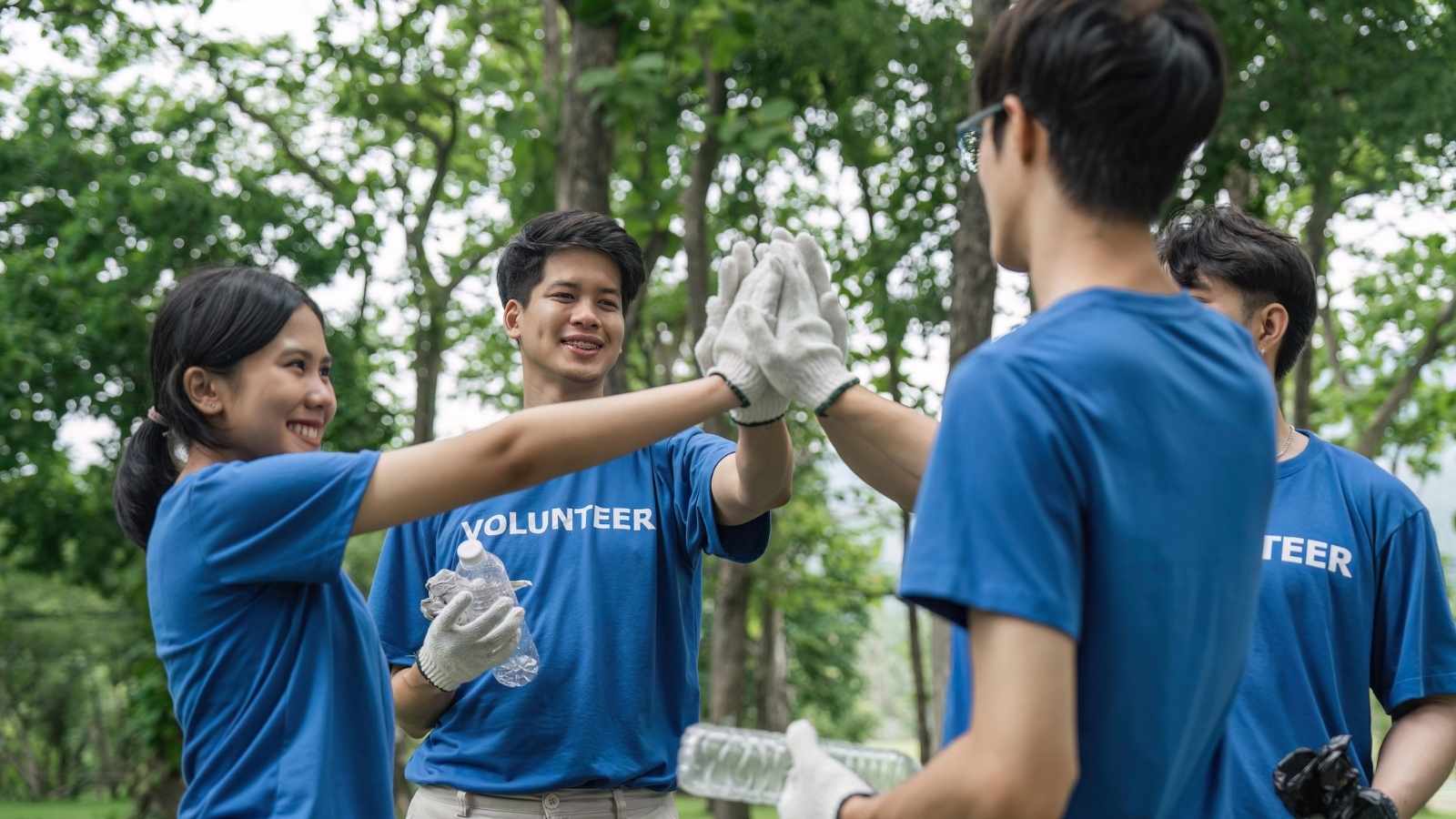
In the past, American communities relied on the active participation of children and families in local volunteer efforts. These activities built a sense of shared responsibility and community pride.
Today, volunteering is often seen as an optional activity, something to be done occasionally rather than as a regular part of life. Reintroducing volunteering as a core value can help children understand the importance of giving back to their communities.