Real Criminals Who Used Halloween Night to Hide Their Crimes

Halloween is built on masks, noise, darkness, and social permission to seem “scary.” In rare but devastating moments, that blend has helped real offenders hide in plain sight—approaching doors without suspicion, blending into costumed crowds, and buying themselves crucial seconds of confusion when violence starts.
Quick Map of the Cases Covered
We cover crimes tied directly to October 31, crimes anchored to Halloween parties and trick-or-treat routines, and crimes driven by the same “costume cover” logic using widely sold Halloween disguises.
Ronald Clark O’Bryan (“The Candy Man”) — Poisoned Pixy Stix, Deer Park, Texas (1974)
Ronald Clark O’Bryan turned a neighborhood trick-or-treat walk into a life-insurance scheme by giving his 8-year-old son, Timothy, a Pixy Stix laced with potassium cyanide. He also handed out additional tainted candy to other children to make the crime look like random Halloween candy tampering, but the story unraveled quickly under investigation and inconsistencies. He was convicted and later executed in Texas, and the case became the modern template for America’s enduring fear about Halloween candy.
The Van Nuys Halloween Party Shooting — Jack Gentry Stearns, California (1967)
At a Halloween costume party in Van Nuys, a confrontation escalated into deadly violence when Jack Gentry Stearns shot fellow partygoer Kenneth A. Lindstrand. Witnesses initially struggled to process the gunshot as real—exactly the kind of hesitation Halloween can manufacture, when people expect theatrics and pranks. Stearns was convicted of first-degree murder.
The Chinatown Masked Home Invasion — Pok Suey Low Killed at the Door, Los Angeles (1974)
An elderly couple in Los Angeles answered their door to what appeared to be trick-or-treaters and instead faced masked gunmen wearing classic monster masks. The intruders forced entry, and Pok Suey Low was shot during the attempted robbery. The cruelty was amplified by how easily the holiday’s normal door-knocking ritual was weaponized: the masks and candy bag weren’t “props,” they were access tools.
The “Trick-or-Treater” at the Door — Dr. Peter Fabiano Murdered, Los Angeles (1957)
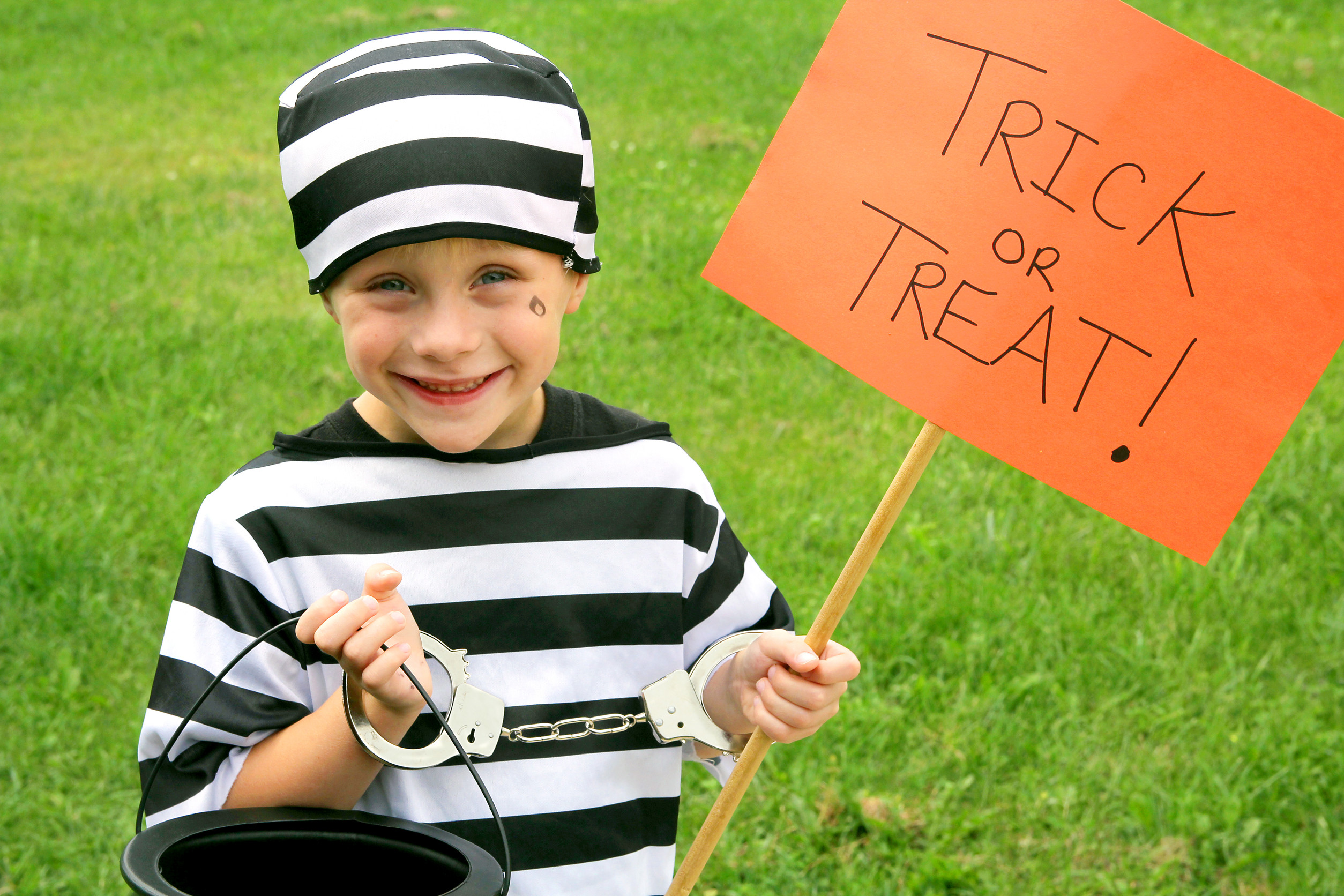
On Halloween night, Dr. Peter Fabiano opened his door to a masked visitor who blended seamlessly into the night’s late-hour foot traffic. The encounter ended in his murder, and investigators later tied the killing to a planned plot driven by personal obsession and relationship turmoil. Halloween didn’t create the motive, but it created the perfect approach: a mask at the door was normal.
The Kirkland Shopkeeper Cold Case — Norton Gregory, Washington (1957)
Norton Gregory, a sporting-goods shopkeeper in Kirkland, was killed on Halloween night in a case that has remained unsolved for decades. The holiday has hung over the mystery in local memory for a reason: Halloween brings legitimate strangers, disguised faces, and unusual late-night movement—conditions that can thin out reliable witness detail and leave a community with questions that never get answered.
The Toolbox Killers’ Final Halloween — Shirley Lynette Ledford, California (1979)
Lawrence Bittaker and Roy Norris abducted 16-year-old Shirley Lynette Ledford on October 31, 1979, after she was out during Halloween night activity. The case is deeply documented in court records and corrections reporting, and it remains one of the most harrowing examples of predators using the chaos of a holiday night—late hours, distracted crowds, limited accountability—to hunt for vulnerability.
The “Killer Clown” Case — Marlene Warren, Wellington, Florida (1990; later resolved by plea)
A person dressed as a clown delivered balloons and flowers to Marlene Warren’s home and then shot her at the doorway. The clown costume was not random theater; it was camouflage and shock rolled into one. Decades later, advances in evidence led to an arrest, and Sheila Keen-Warren ultimately pleaded guilty to second-degree murder and was later released under the terms and credit rules that shaped the case’s controversial ending. A Halloween Horror Mask as Ambush Gear — Tiffany James Killed After Trick-or-Treating, Brandon, Florida (2015)
Tiffany James returned home after trick-or-treating with her children when her ex, Darryl Eugene Williams, attacked her while wearing a Jason-style horror mask. That disguise mattered: it added confusion, intimidation, and a split-second delay in recognition during the most vulnerable moment—walking up to home in the dark with kids. He was arrested and charged in the aftermath, with the incident widely reported in Florida media.
“Ghostface” as Real-World Cover — Jeffrey Mechling Case, Cleveland, Ohio (2011)
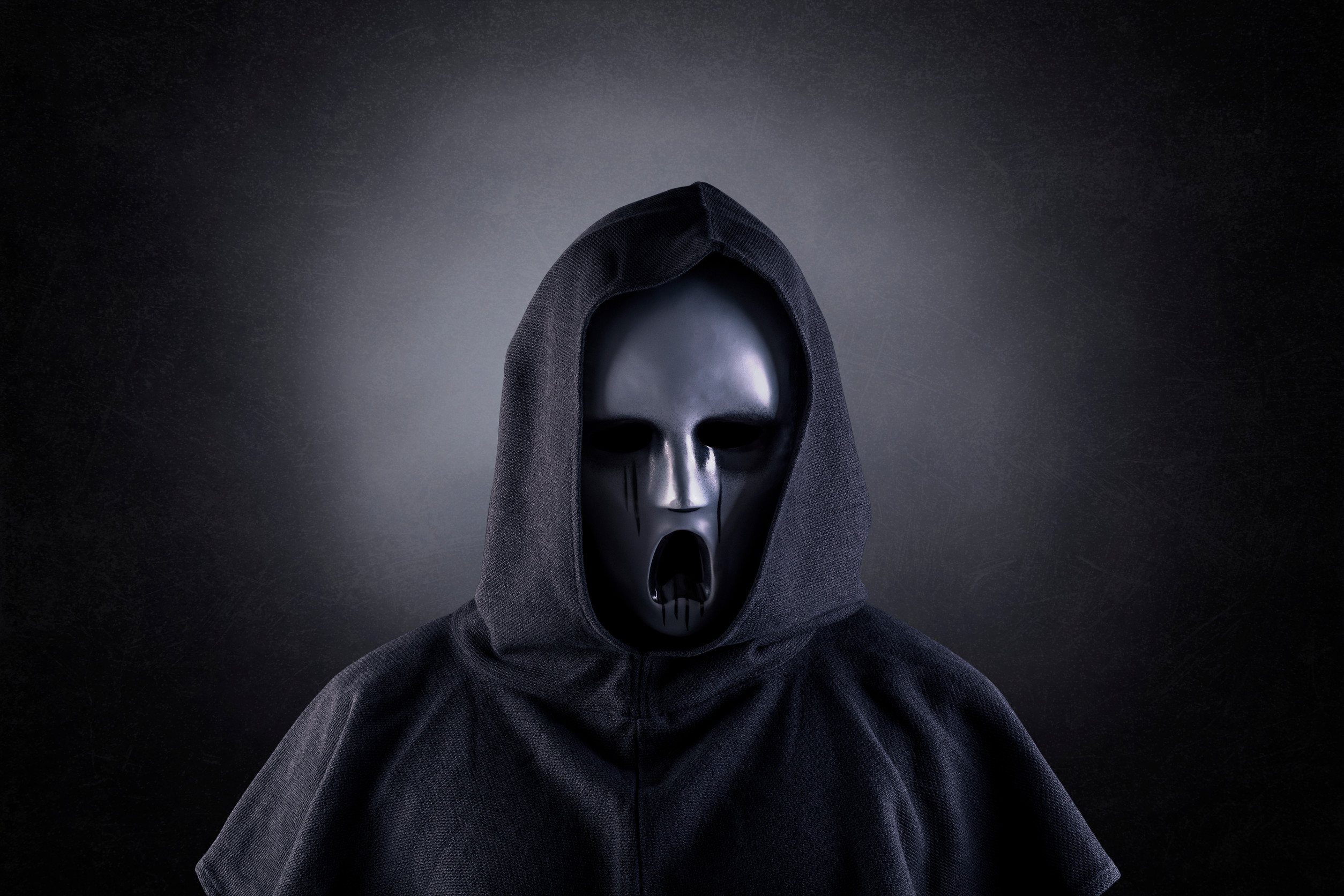
Sometimes the Halloween cover shows up outside October 31 through the easy availability of horror disguises: in the Jeffrey Mechling case, court records describe a masked intruder entering a home and killing the victim, with reporting and appellate documentation detailing the investigation, plea issues, and evidence considerations. A costume-style mask can become a practical tactic—anonymous entry, delayed identification, and psychological dominance—long after Halloween decorations come down.
Read the original article on Crafting Your Home