7 Parenting Choices That May Lead to Entitled Children

Image Credit:pexels
Parenting is an ongoing challenge that requires a delicate balance between love, discipline, and guidance. As parents, we all want to provide our children with the best experiences and opportunities to ensure they thrive. However, sometimes our well-meaning actions can inadvertently foster entitlement rather than gratitude.
The following points outline the most common parenting decisions that can inadvertently raise entitled children and how to avoid them.
Skipping Daily Chores
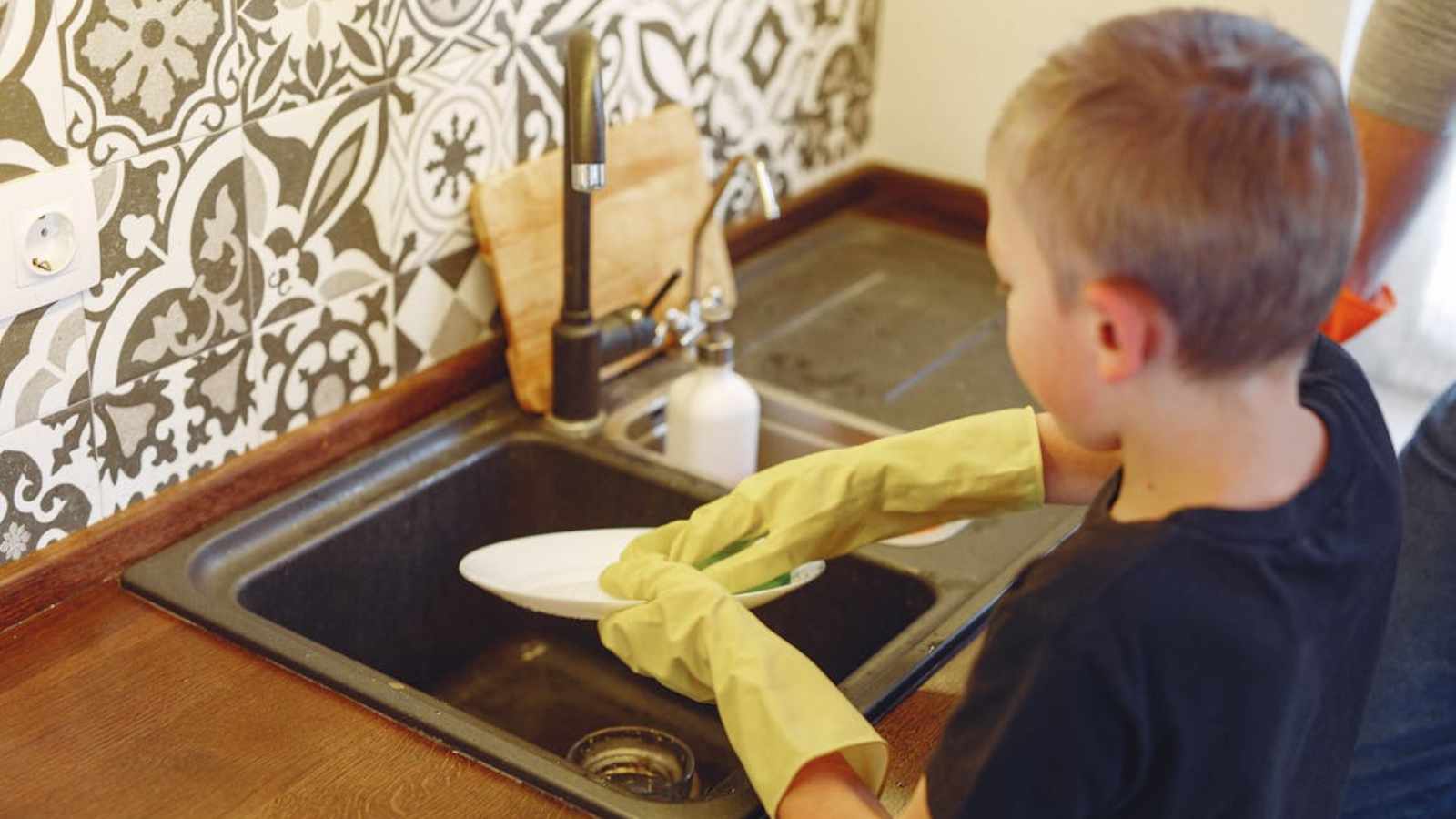
Many parents feel it’s easier to just do the housework themselves rather than deal with reluctant children. However, skipping the expectation of daily chores teaches children that they are not responsible for contributing to the household. It fosters an attitude of expecting others to do the work for them, which can persist into adulthood. Chores not only teach responsibility but also instill a sense of teamwork, creating a deeper understanding of how family dynamics function.
Ensuring that children pitch in, even with simple tasks, lays the foundation for gratitude and respect for others’ efforts.
Over-Negotiating Every Rule
While it’s important to listen to children and consider their perspectives, constantly negotiating every rule undermines a parent’s authority. Children need boundaries to feel safe and secure. When every instruction becomes a negotiation, they learn to view these rules as suggestions rather than requirements. This dynamic blurs the line between parent and peer, potentially fostering an entitled attitude where children believe they have equal control over decisions.
Parents must recognize that consistency and firm, respectful boundaries instill a sense of security and discipline in children.
Ignoring Bad Manners
Manners are not just about following societal rules; they are about showing respect for others. Ignoring bad manners, such as not saying “please” or interrupting conversations, can lead children to believe that their behavior is acceptable, regardless of the impact on others. These behaviors can persist into adulthood, affecting children’s ability to form positive relationships and succeed in professional settings.
Consistently correcting bad manners teaches children the importance of empathy and respect, laying the foundation for positive social interactions.
Giving Money Without Earning It

Handing out money without tying it to responsibility or effort sends the message that financial rewards are a given rather than earned. Children who receive money without understanding the connection to work or effort often fail to develop financial literacy. They may grow up with an unrealistic view of money, expecting it to be handed to them without having to put in the effort.
Teaching children to earn money through tasks and chores not only sets them up for financial success but also reinforces the value of hard work and delayed gratification.
Rescuing Them from Failure
It’s natural to want to shield your child from pain or disappointment, but rescuing them from failure robs them of the critical life lessons associated with resilience. Struggling through tasks and facing setbacks allows children to develop problem-solving skills and emotional fortitude. Overprotecting them from these struggles creates a reliance on others for support, undermining their self-confidence.
Parents must strike a balance by offering support without eliminating challenges, allowing children to learn how to overcome adversity independently.
Cooking Separate Meals for Picky Eaters
Preparing a separate meal because your child refuses to eat what the family is having sets a dangerous precedent of catering to personal whims. While it’s important to consider dietary restrictions and preferences, making separate meals for picky eaters can create a sense of entitlement. This habit teaches children that they should always get their way, particularly when it comes to food.
Family meals should be an opportunity to foster shared experiences and gratitude for the food provided, promoting a sense of compromise and appreciation for the effort involved in meal preparation.
Excessive Gift Giving

Constantly showering children with gifts or giving them material possessions outside of birthdays or holidays diminishes the value of special occasions. When children receive new items regularly, they begin to take their possessions for granted. This leads to a cycle of constant desire, where nothing is ever enough to satisfy them.
By limiting gift-giving to meaningful moments, parents can teach children the value of appreciation and ensure that materialism doesn’t take precedence over gratitude.
Key Takeaways
Raising a child who is grounded, respectful, and appreciative requires conscious effort and discipline. The choices parents make in everyday situations shape their children’s understanding of the world and their place in it. By setting firm boundaries, fostering resilience, and encouraging responsibility, parents can avoid raising entitled children. It’s about teaching children the value of hard work, respect, and empathy, ensuring they grow up to be thoughtful, considerate adults.