

The concept of a “big house” is often associated with expansive estates, sprawling gardens, and rooms that seem to stretch on endlessly. But some of the biggest houses in the world go far beyond even the grandest imaginations. These homes aren’t just about size—they represent power, wealth, history, and opulence at their finest.
From ultra-modern towers in bustling cities to centuries-old palaces steeped in history, the largest houses in the world often challenge our perceptions of what luxury can truly be. In this article, we explore the largest homes, focusing not only on their square footage but also on the stories, architectural marvels, and unique features that set them apart.
While many of these residences are owned by the world’s wealthiest families, a few are also imbued with rich cultural and historical significance.
Antilia

When discussing the largest houses in the world, Antilia, located in the heart of Mumbai, India, inevitably comes up. Owned by the Indian billionaire Mukesh Ambani, this 27-story mansion has an astounding 400,000 square feet of space. But what makes it truly unique is its design. Antilia stretches vertically, rather than sprawling outward across acres of land, making it an architectural marvel.
This mansion doesn’t just have the basics—several floors are dedicated to leisure and luxury. There’s a private ice cream parlor, a 50-seat movie theater, and even a snow room that produces artificial snowflakes to help its inhabitants cool off. To complement the mansion’s futuristic design, the garage is six stories high, with a dedicated car service station for the family’s luxury vehicles.
Beyond luxury, Antilia also represents an era of modern opulence in India, where new wealth is being invested in buildings that reflect both cultural heritage and modern sophistication. Mukesh Ambani’s Antilia isn’t just a house; it’s a testament to the fusion of modernity and traditional Indian grandeur.
The Palace of Versailles
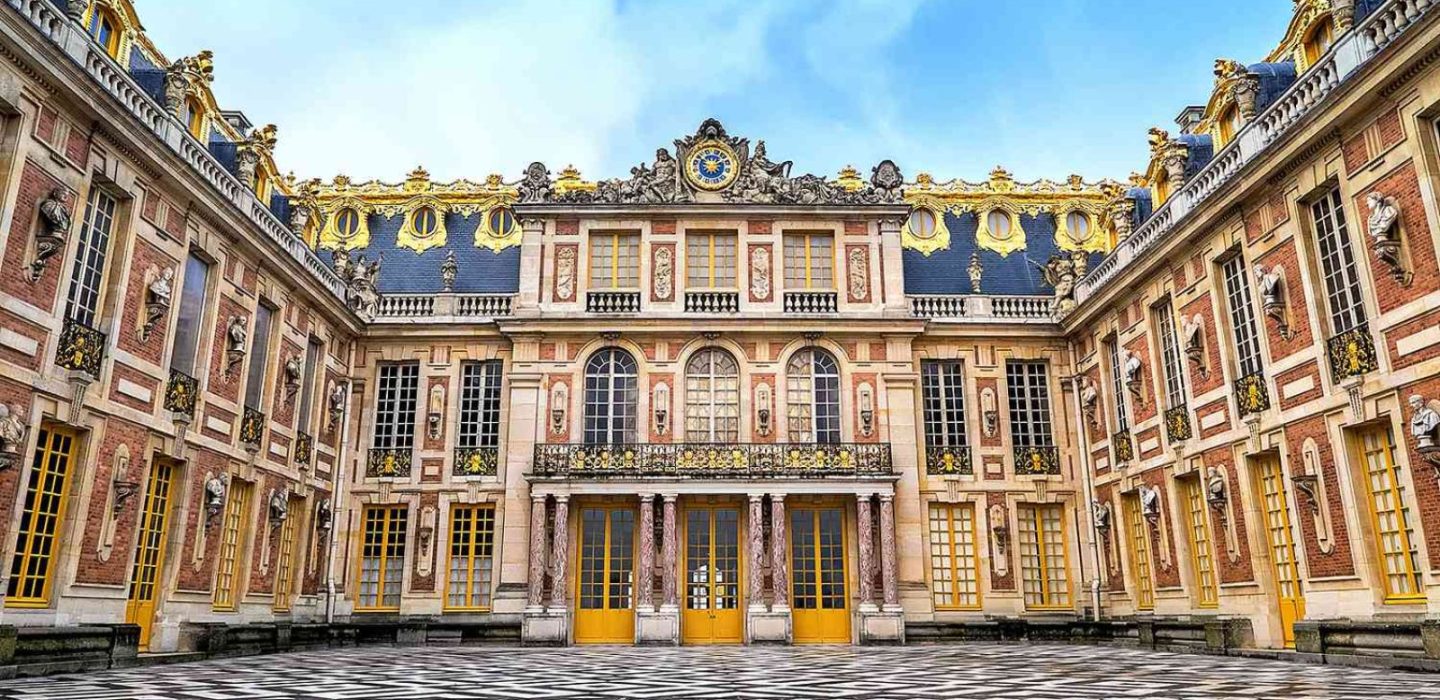
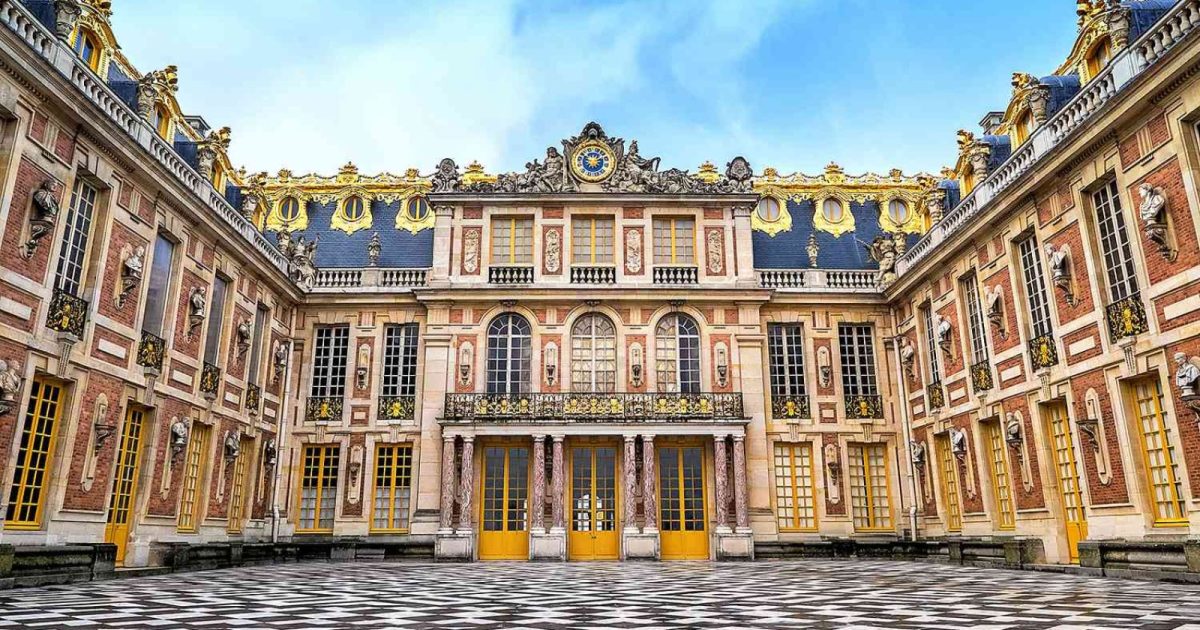
When it comes to sheer size and historical significance, the Palace of Versailles near Paris, France, is in a league of its own. Originally a hunting lodge built in 1623 by King Louis XIII, the palace was expanded by his son, Louis XIV, to become the grand residence it is today. It spans a staggering 721,206 square feet and contains over 2,000 acres of gardens, making it a UNESCO World Heritage site.
The palace is an iconic symbol of the French monarchy’s power and influence during the 17th and 18th centuries. Versailles is not only renowned for its scale but also for its intricate Baroque architecture, lavish interiors, and stunning gardens, which feature hundreds of fountains, sculptures, and meticulously manicured paths.
The Palace of Versailles remains a place of immense cultural significance. Every year, it attracts millions of visitors eager to explore its opulent rooms and expansive grounds. This historical gem continues to hold its status as one of the largest and most luxurious residences ever built.
Buckingham Palace

Home to the British monarch, Buckingham Palace in London is as famous for its iconic balcony moments as it is for its sheer size. With over 800 rooms and covering 828,820 square feet, this historic residence is both a working palace and the official residence of the sovereign. From grand state banquets to garden parties, Buckingham Palace is at the heart of the British monarchy’s public life.
In addition to its 52 royal and guest bedrooms, the palace boasts 92 offices and 78 bathrooms, spread across its many floors. Buckingham Palace also houses a large collection of royal art, including paintings and sculptures, making it a treasure trove of British history and heritage.
The palace is open to the public during the summer months, allowing visitors to explore the State Rooms and the surrounding gardens. The iconic Changing of the Guard ceremony also takes place here, making Buckingham Palace a must-visit landmark for anyone interested in British culture and history.