6 Old-Fashioned Beliefs Boomers Won’t Let Go Of

Image Credit: Prazisss via depositphotos
We all have beliefs—some are shaped by tradition, others by experience, and some are simply passed down through generations like heirlooms. But what happens when these beliefs, once considered truths, no longer hold up in the face of new knowledge? Over time, we come to realize that some of the ideas we’ve clung to are outdated, even debunked, yet they still linger, almost like old ghosts we just can’t shake.
From misconceptions about language to long-held notions about health and technology, there are a surprising number of myths that, despite being disproven, continue to make their rounds.
Split Infinitives is a sin
“To boldly go”—this iconic phrase from Star Trek is one that sparks heated debates among grammar enthusiasts. The myth that splitting infinitives is grammatically wrong has persisted for generations, but is it really a sin to place an adverb between “to” and the verb? Linguists have shown time and again that this rule is a product of outdated grammar textbooks.
In truth, there is no intrinsic flaw in splitting an infinitive. While many argue that it’s a stylistic choice, the claim that it ruins a sentence is unfounded. The key to good writing isn’t rigidly following rules that no longer serve the purpose; it’s about creating clarity, rhythm, and flow.
In fact, in some cases, splitting an infinitive can make a sentence more powerful, vivid, and clear. So go ahead and boldly split those infinitives—it’s not a mistake, but a tool for effective communication.
Technology and Human Connection

Many older generations, particularly boomers, often lament the impact of technology on human interaction. There’s a recurring belief that technology, especially social media and texting, is ruining the art of meaningful conversation. But is this really true? Far from undermining our connections, technology has revolutionized the way we communicate.
Sure, texting or emailing may not seem as personal as face-to-face conversation, but these tools enable us to stay connected with loved ones across vast distances. Virtual meetings bring people together from all corners of the globe, and social media allows individuals to find and form communities, share ideas, and create social movements.
The notion that technology is driving us apart is simply a misunderstanding of how human interaction is evolving. In fact, technology is making it easier to build bridges and keep relationships thriving in new, exciting ways.
The 10% Brain Myth
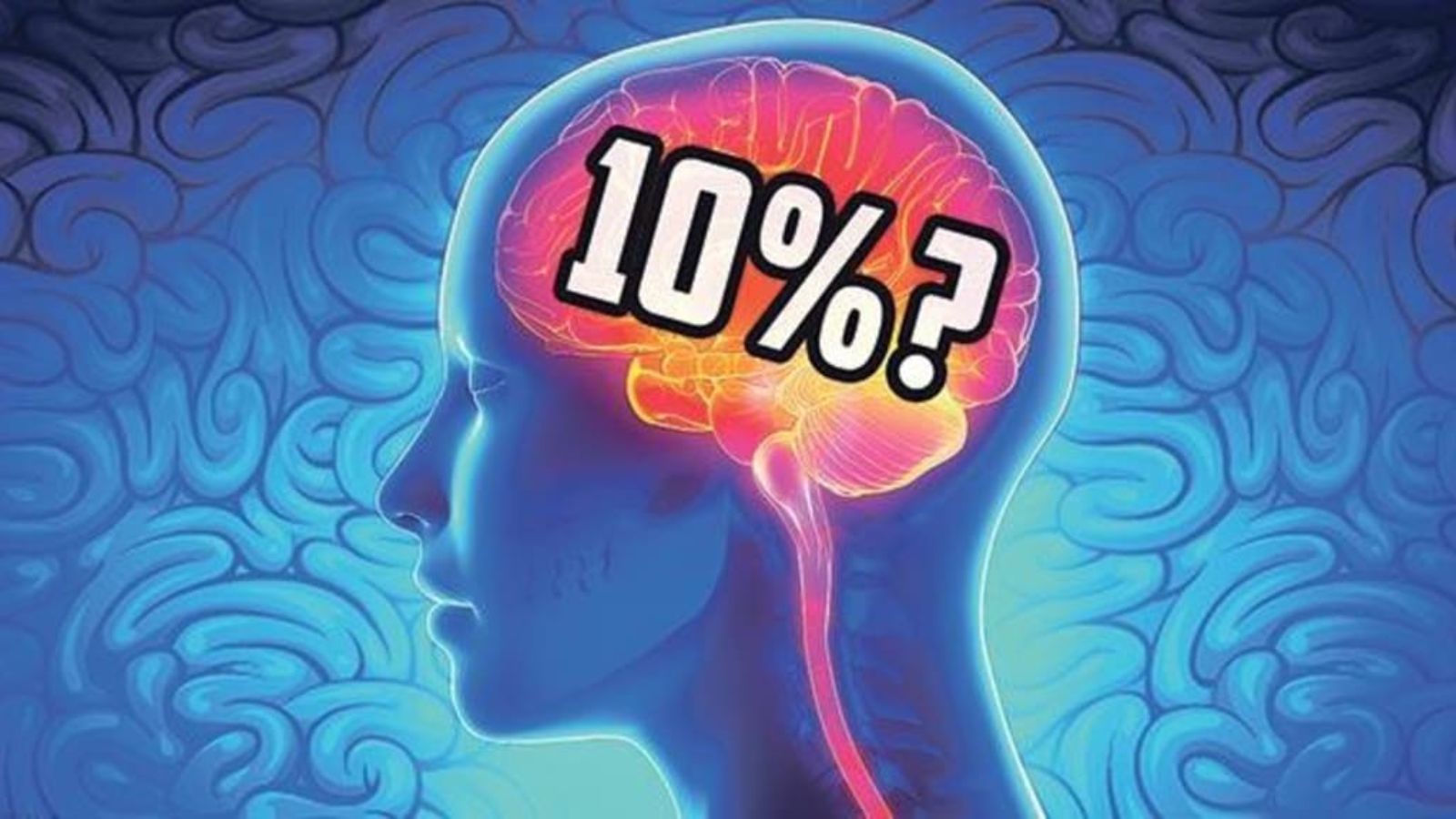
How many times have we heard the claim that humans only use 10% of their brains? It’s a comforting thought, implying that if we could just unlock the remaining 90%, we’d tap into unlimited intellectual power. But modern neuroscience has thoroughly debunked this myth.
In reality, we use virtually all parts of our brains, though different regions are activated depending on the task at hand. The confusion likely arises from early studies that misinterpreted brain activity. Our brains are complex and adaptable, with different regions handling everything from motor functions to higher cognition.
The idea of unused brain capacity is a relic of the past—our brains are busy at work, constantly adapting and processing information throughout the day.
Can You Teach an Old Dog New Tricks?
Many people, especially older generations, still cling to the idea that it’s too late to learn something new as they age. “You can’t teach an old dog new tricks,” they say, as a way to justify not learning new technologies or adapting to changing times. But this belief couldn’t be further from the truth.
Thanks to the brain’s remarkable plasticity, we can learn and adapt at any age. Neuroplasticity refers to the brain’s ability to form new connections and even reorganize itself throughout life. So yes, older adults can—and do—learn new skills every day. Whether it’s mastering the use of a smartphone, picking up a new hobby, or adjusting to modern cultural norms, the capacity for learning remains strong well into old age. The idea that we become intellectually stagnant as we age is simply a myth.
The Customer Is Always Right

“The customer is always right.” This phrase, often repeated in retail and service industries, has been drilled into generations of employees and business owners. While it’s important to provide excellent customer service, the idea that customers are always right can lead to unhealthy dynamics.
In practice, this belief can be detrimental. Employees may be forced to accept unreasonable demands, creating stress and dissatisfaction. Furthermore, businesses can suffer when customer complaints are treated as infallible, regardless of whether they’re valid.
A healthier approach is to listen to customers and address their needs, while also considering employees’ well-being and the business’s long-term interests. A satisfied customer is important, but so is maintaining a respectful and balanced work environment.
More Work Means More Productivity
For generations, the idea that longer work hours equate to higher productivity has been the golden rule. “Work harder, longer, and you’ll achieve more” was the mantra. But as work-life balance becomes more widely recognized, the evidence is clear: overworking leads to burnout, stress, and diminishing returns.
Research now shows that productivity is not determined by the number of hours spent at a desk, but by the quality of those hours. Regular breaks, mental health support, and time for relaxation are key factors in maintaining long-term productivity. It’s time to abandon the outdated belief that working endlessly is a virtue. Instead, working smart and prioritizing well-being has proven to be the path to sustained success.
Conclusion
Life is full of myths and outdated beliefs that often linger despite evidence to the contrary. From misconceptions about technology to misunderstandings about how the brain works, many of the beliefs passed down from one generation to the next simply don’t hold up under scrutiny.
As we continue to advance, it’s essential that we challenge these beliefs, question the status quo, and embrace new ideas that reflect our growing understanding of the world. The process of learning and adapting is never over. Whether it’s reassessing old grammar rules, shifting our views on work-life balance, or letting go of outdated health advice, we are constantly evolving.
So, let’s approach the future with an open mind, a readiness to let go of the past, and a commitment to building a more informed, healthier, and more connected world. The future is ours to shape, and it’s up to us to make it better.