

This article was originally published on Crafting Your Home. A human contributor also wrote and edited the post.
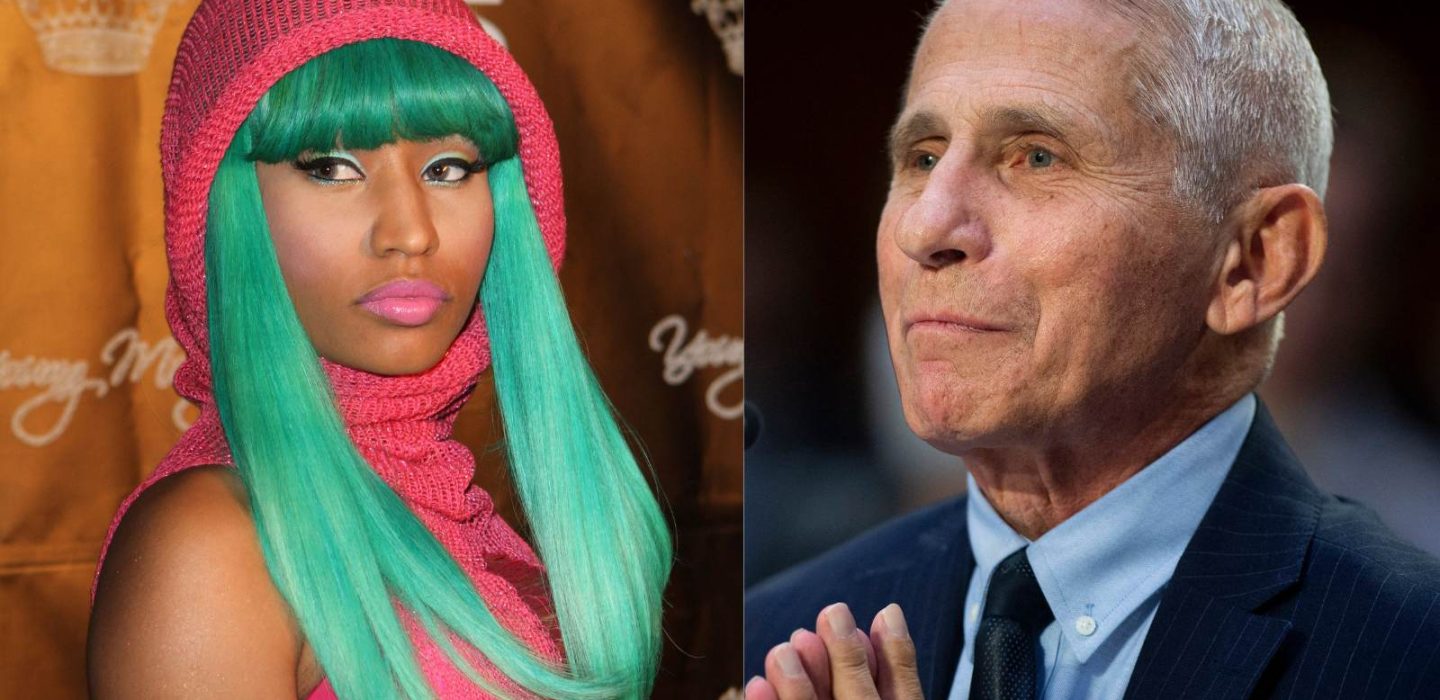
Nicki Minaj has reignited her years-old clash with Dr. Anthony Fauci after posting a sharply worded message accusing the former federal health official of causing lasting harm during the COVID-19 pandemic.
The rapper’s latest comments came days after Fauci returned to Capitol Hill for a Senate hearing, putting one of the pandemic’s most recognizable figures back in the national spotlight.
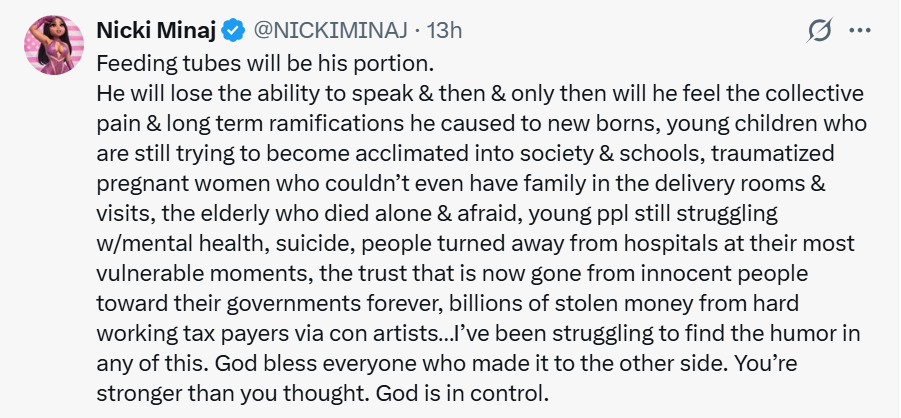
In her July 31 post on X, Minaj revisited comments Fauci made in 2021 while responding to her vaccine-related statements. She wrote that “feeding tubes will be his portion”. She said he would eventually understand what she described as the suffering experienced by families, children, pregnant women, elderly people and others during the pandemic.
Minaj’s post focused on the emotional impact of COVID-19 policies, including separation from loved ones, disruptions to schools, mental health struggles and declining trust in government institutions. She did not present new scientific studies, official investigations or evidence proving her accusations against Fauci.
Instead, the message reflected her personal criticism of Fauci and the wider pandemic response. The post quickly drew attention because it transformed a long-running disagreement about health information into a direct personal attack against a former government scientist.
The Dispute Started With A Viral Vaccine Claim In 2021

Minaj and Fauci first clashed publicly in September 2021 after the rapper shared an unverified story about a reported vaccine-related reaction involving her cousin’s friend in Trinidad.
Minaj said the man allegedly experienced swollen testicles and impotence after receiving a COVID-19 vaccine, claiming the situation contributed to a canceled wedding.
The claim spread widely online during a period when vaccine safety was a major public debate. Minaj said she wanted more time to research the vaccines and argued that people should not be pressured into medical decisions.
Health officials challenged the claim because there was no evidence supporting a connection between COVID-19 vaccines and the reproductive problems described in the story. During a CNN interview, Fauci said there was no evidence that the vaccines caused infertility or the specific issues mentioned by Minaj.
Officials in Trinidad and Tobago also said they could not identify a reported case matching the account. The Centers for Disease Control and Prevention has continued to state that available evidence does not show COVID-19 vaccines cause fertility problems in men or women.
The exchange turned into one of the most discussed celebrity moments of the pandemic, placing Minaj’s large public platform against Fauci’s position as a leading federal health adviser.
Fauci’s Senate Appearance Renewed National Attention
The timing of Minaj’s post was notable because Fauci had just appeared before the Senate Homeland Security and Governmental Affairs Committee on July 29.
The hearing focused on questions surrounding COVID-19 origins, research funding and decisions made during the pandemic.
Fauci faced intense questioning from lawmakers, including committee chairman Sen. Rand Paul. During the hearing, Fauci invoked his Fifth Amendment rights while responding to some questions and criticized Paul’s continued focus on him, describing it as an “unhinged obsession.”
The appearance marked another chapter in the political debate surrounding Fauci’s pandemic role. Since becoming a central figure during COVID-19, he has received praise from supporters who view him as a trusted scientific adviser and criticism from opponents who believe officials went too far with pandemic measures.
Fauci led the National Institute of Allergy and Infectious Diseases from 1984 until stepping down in 2022. During his career, he advised multiple presidential administrations on infectious disease challenges, including HIV/AIDS, Ebola and COVID-19.
Although Fauci became the public face of the federal response, pandemic policies were not created by one individual. Decisions involving school closures, hospital visitation rules and other restrictions involved federal agencies, state governments, local officials and private organizations.
Minaj’s Criticism Goes Beyond The Vaccine Debate
In her latest message, Minaj expanded her criticism beyond vaccines and focused on the broader effects of pandemic policies on everyday life.
She pointed to families separated during hospital restrictions, children adjusting after school disruptions, elderly people who experienced isolation, and people facing mental health struggles.
Those experiences became some of the most painful parts of the pandemic for many families. However, the policies behind those experiences involved decisions from many different institutions rather than a single official.
Minaj’s post did not outline specific decisions made by Fauci or provide evidence that he personally controlled the policies she criticized. Instead, she presented a broad condemnation of the pandemic response and the officials associated with it.
The debate over those decisions remains divided. Some critics argue that restrictions caused significant social and economic damage, while others argue that public health measures helped protect vulnerable populations and reduce the impact of COVID-19.
A Feud That Reflects A Larger Fight Over Trust
The renewed dispute between Minaj and Fauci represents a much larger argument that has continued since the earliest days of the pandemic.
The conflict reflects ongoing disagreements about government authority, public health advice and how officials should be held accountable during emergencies.
Minaj’s influence gives her criticism a powerful audience, while Fauci remains a major symbol of scientific leadership and public health policy. Their opposing positions have made them representatives of two very different views about the pandemic years.
The latest exchange also shows why conversations about COVID-19 remain complicated. Many people experienced genuine hardship, but understanding responsibility requires looking at evidence, timelines and decisions made across multiple levels of government and society.
Nearly five years after their first public disagreement, the Minaj-Fauci feud continues to attract attention because it represents unresolved questions about trust and accountability. While the pandemic emergency has passed, the arguments surrounding its response remain deeply connected to public conversations today.
If you like what you just read, then subscribe to our newsletter and follow us on social media.


