

This article was originally published on Crafting Your Home. A human contributor also wrote and edited the post.
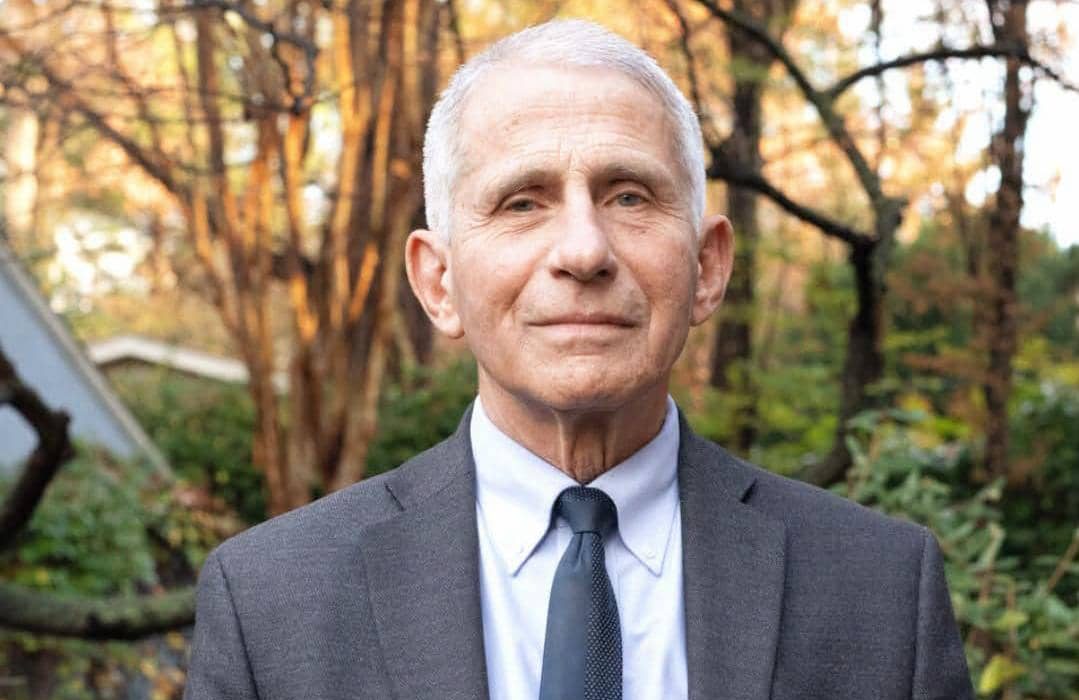
Few public health officials in modern American history have attracted as much praise and criticism as Dr. Anthony Fauci.
During the COVID-19 pandemic, Fauci became one of the most recognizable faces of America’s public health response. To supporters, he represented science, expertise, and a steady voice during a global crisis. To critics, he became a symbol of government restrictions, pandemic policies they opposed, and what they viewed as failures in public health leadership.
The debate over Fauci’s legacy intensified after harsh criticism from political figures and commentators, including claims that he will be remembered in extremely negative terms.
One of the most widely shared statements came from critics who said:
“When all is said and done, Anthony Fauci will be remembered as one of the most evil, vile, sinister men that has ever lived.”
The statement reflects the intense anger some opponents of Fauci continue to express years after the height of the pandemic. However, it represents opinion and political criticism, not an established historical judgment.
Fauci Became the Face of America’s COVID-19 Response
Anthony Fauci spent more than five decades working in public health before becoming a household name during the COVID-19 pandemic.
As director of the National Institute of Allergy and Infectious Diseases (NIAID), Fauci advised multiple presidential administrations on infectious diseases, including HIV/AIDS, Ebola, and COVID-19.
During the early months of the coronavirus outbreak in 2020, Fauci appeared regularly at White House for briefings and became a central figure explaining government recommendations to the public.
He encouraged Americans to follow measures such as social distancing, mask use, and vaccination once COVID-19 vaccines became available.
Supporters praised Fauci for providing guidance based on scientific evidence during a rapidly changing crisis.
Former President Joe Biden awarded Fauci the Presidential Medal of Freedom in 2022, recognizing his decades of public service and his role during the pandemic.
In announcing the honor, the White House described Fauci as a leading public health expert who helped guide the nation through multiple health emergencies.
However, not everyone agreed with his approach.
Critics Accuse Fauci of Pandemic Failures and Government Overreach
Fauci’s critics argue that some pandemic policies caused unnecessary harm and that public officials were too restrictive in areas such as school closures, mask guidance, and vaccine mandates.
Some opponents have focused on changing public health recommendations during the pandemic, arguing that shifts in guidance damaged public trust.
One major point of controversy involved Fauci’s comments about masks early in the pandemic. In 2020, public health guidance evolved as scientists learned more about COVID-19 transmission and the effectiveness of different protective measures.
Critics argued that changing recommendations created confusion.
Supporters responded that scientific guidance often changes when new evidence becomes available, especially during an unprecedented outbreak.
Fauci also faced intense criticism over questions surrounding COVID-19’s origins and U.S. funding connected to international research.
During congressional hearings, lawmakers questioned Fauci about whether research funded through organizations connected to NIAID contributed to risky coronavirus studies.
Fauci denied accusations that he was responsible for the pandemic’s origin and rejected claims that his agency funded dangerous research designed to create a pandemic-causing virus.
In testimony before Congress, Fauci said he had consistently supported transparency and scientific investigation into the origins of COVID-19.

A Divided Public Continues to Debate Fauci’s Place in History
The argument over Fauci is ultimately part of a larger debate about trust in institutions and the role of experts during emergencies.
Supporters believe Fauci represents the importance of scientific leadership during a crisis.
They argue that public health officials had to make difficult decisions with incomplete information and that Fauci’s recommendations helped protect lives.
Critics argue that government officials made mistakes and that accountability is necessary when policies affect millions of people.
The disagreement has made Fauci one of the most politically divisive figures in America.
Unlike many scientists who work outside the public spotlight, Fauci became a constant presence on television and social media. His visibility made him a target for both admiration and hostility.
The strong reactions toward him show how the pandemic changed the relationship between science, politics, and public opinion.
For some Americans, Fauci will be remembered as a dedicated public servant who helped guide the country through an unprecedented health emergency.
For others, he will be remembered as a government official whose decisions represented overreach and poor judgment.
The historical evaluation of Fauci’s career will likely continue for years.
As with many major public figures, his legacy will depend on how future generations weigh his decades of medical service against the controversies that defined the COVID-19 era.
If you like what you just read, then subscribe to our newsletter and follow us on social media.


