

One burglar quoted in an NBC New York investigation put it simply: a post saying the house is empty for seven days creates a seven-day opening. That is the idea behind a warning that safety experts, military investigators and police keep repeating as holiday travel season gets underway.
The advice does not mean skipping vacation photos altogether. It means holding back six specific kinds of posts until the trip is over, from live check-ins to any hint of how long the house will sit empty.
Items 1 and 2: Live Updates and Location Check-Ins
1. Real-time “just landed” updates. According to SafeWise, a story that says “Day One in Miami” or “Just landed” tells viewers the owner is away right now. The same photos posted after returning home become memories instead of a live update about an empty house.
2. Airport and destination check-ins, plus location tags. SafeWise advises against tagging hotels, airports or famous spots, since a tag paired with a caption on a public profile can hand strangers a rough timeline and location. The site’s guide to what to do before leaving the house empty for Thanksgiving travel covers the offline side of the same problem, and the list of travel blunders that turn a vacation into a stress fest is a companion read.
The warning is not new. In a holiday advisory published in December 2015, the U.S. Army Criminal Investigation Command quoted Daniel Andrews, director of its Computer Crime Investigative Unit, who said criminals use the same social media sites to conduct surveillance and identify potential targets. His advice was to wait until the vacation is over to comment on it and share photos.
Items 3 and 4: Trip Length and Travel Dates
3. Captions that reveal how long the house will be empty. A line like “gone for two weeks” on a public profile gives strangers a ready-made timeline, SafeWise notes. That is the exact scenario the opening burglar described, and it is why SafeWise tells travelers to skip details that reveal how long they will be away. Packing smart helps too, as in the flight attendant packing habits that make vacation travel easier, and the luggage sets for holiday trips roundup covers the gear.
4. Travel dates and return dates. SafeWise says plainly to skip travel dates and return dates, because they turn a vacation into a countdown for anyone watching the account. Travelers can also browse the best travel accessories before packing. Families planning a holiday can pair that with the things travelers over 60 say they stopped doing on vacation and the roundup of carry-on suitcases worth packing this Thanksgiving.
Items 5 and 6: Hotel Names and Photos That Carry GPS Data
5. Hotel names and exact locations. SafeWise advises skipping travel dates, return dates, hotel names and exact locations in posts and stories. The roundup of things never to do in a hotel room handles the hotel side of a trip.
6. Photos that still carry GPS data. The Army advisory recommends removing GPS data from photos, avoiding location check-ins and geotags, and turning on privacy settings. News On 6 in Tulsa reported that thieves can extract metadata from a geotagged picture to learn where the photo was taken, and that a Tulsa police sergeant advised waiting until coming home to post vacation pictures. A photo posted days later with the data removed shows a beach but not a street address.
Sharing Without the Risk
SafeWise points to a few easy fixes. Share favorite photos after returning home, keep the profile private when possible, and check who actually follows the account before the next trip. The risk is not the same for everyone, SafeWise notes: a private account with 40 followers carries far less exposure than a public profile with thousands.
The same Tulsa report quotes the sergeant on why audience matters: friends may have relatives who see the posts and do not respect the law, even when the account owner trusts everyone on the list. SafeWise adds a lesson from 2010, when three developers built a demonstration website that gathered public Foursquare posts and listed them as recent empty homes. It used no hacking or secret access, just information people had already shared.
The research behind the warning comes from an NBC New York investigation, in which more than 10 percent of 500 convicted burglars in New York and New Jersey said they used social media to spot possible targets and choose a time to break in. Posting the album after the car is back in the driveway costs nothing, and it keeps the whole trip a story rather than a signal.
Get stories like this by email. Sign up for Crafting Your Home.
This article was produced with AI assistance and edited for accuracy against the sources linked above.
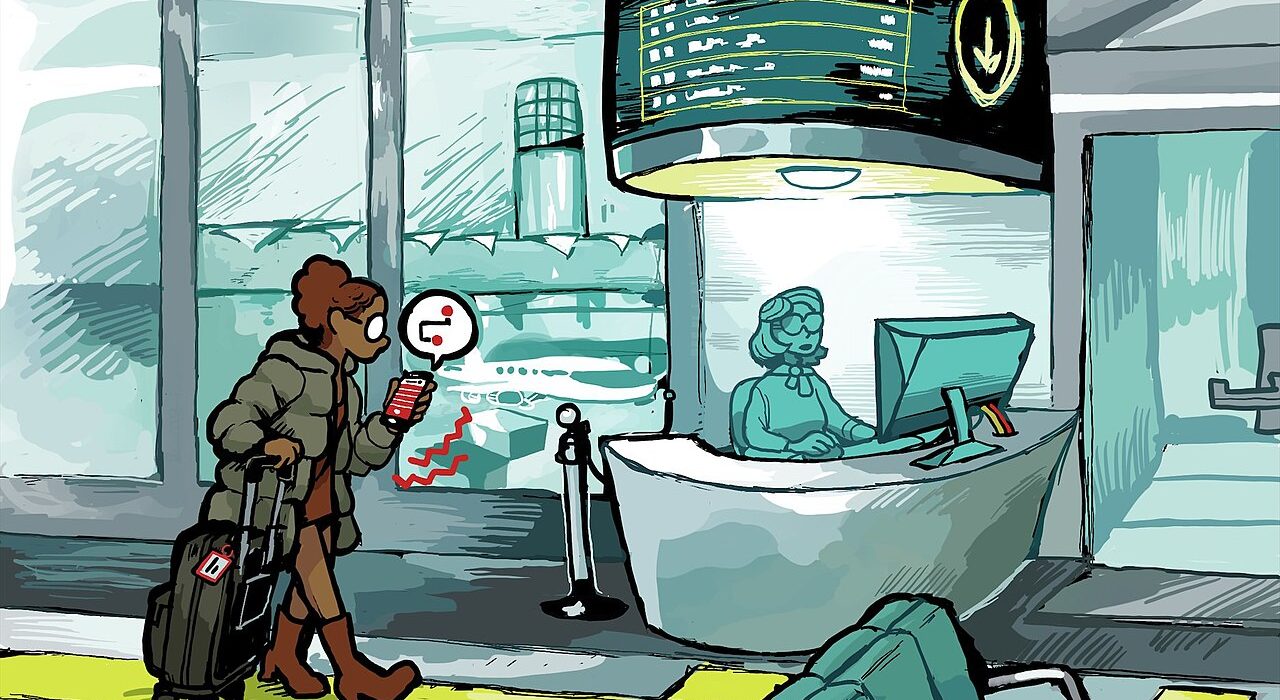
Image: Sherm for Disabled And Here – CC BY 4.0/Wikimedia Commons
