Most Dangerous Hikes That Are Still Open to the Public Today
Image Credit: vitalalp via 123RF
Some trails attract hikers not with comfort or ease, but with the promise of danger and the thrill of the unknown. Around the world, there are paths carved into sheer cliffs, routes swallowed by unpredictable weather, and remote landscapes where rescue is never guaranteed — yet these trails remain open to anyone willing to take the risk.
Every year, adventurers step onto these hazardous routes for one reason: the reward is as unforgettable as the danger. Yet these treks also demand respect for their formidable landscapes. With that in mind, here are the most dangerous hikes still open to the public today.
Orla Perć (Eagle’s Path), Poland

The Orla Perć in Poland’s Tatra Mountains is Europe’s most notorious ridge trail. Stretching for 4.5 kilometers (2.8 miles) at altitudes over 7,500 feet (2,300 meters), this route requires hikers to navigate chains, ladders, and exposed ridgelines. The combination of steep drops and unpredictable weather makes it one of the most dangerous hikes in Europe.
The trail is a serious challenge, requiring helmets, gloves, and the proper climbing gear. Only experienced hikers should attempt this route, as the terrain can quickly become perilous, especially if storms roll in.
The Maze, Canyonlands National Park, USA
The Maze in Canyonlands National Park is one of the most isolated and unforgiving hiking routes in the U.S. This backcountry maze of canyons is unmarked and often requires hikers to rely on advanced navigation skills. The region is known for its rugged terrain, limited water sources, and extreme isolation. With no official trails and only rough USGS maps to guide adventurers, self-reliance is key.
Permits are required and must be obtained months in advance. Only experienced hikers familiar with desert canyons and route-finding should attempt this labyrinth, where water is scarce, and the terrain can quickly become overwhelming.
Cascade Saddle Track, New Zealand
The Cascade Saddle Track in New Zealand’s Mount Aspiring National Park is a breathtaking but dangerous alpine hike. At 6,020 feet (1,835 meters), the route offers spectacular views of Mount Aspiring and surrounding glaciers. However, it also takes hikers through snowfields and avalanche-prone areas, making it important to check weather conditions before attempting the hike.
Experienced hikers should carry crampons, ice axes, and topographic maps. The trail’s unpredictable weather and steep terrain demand both skill and caution, making this an adventure for seasoned trampers only.
Half Dome Cables Route, Yosemite National Park, USA
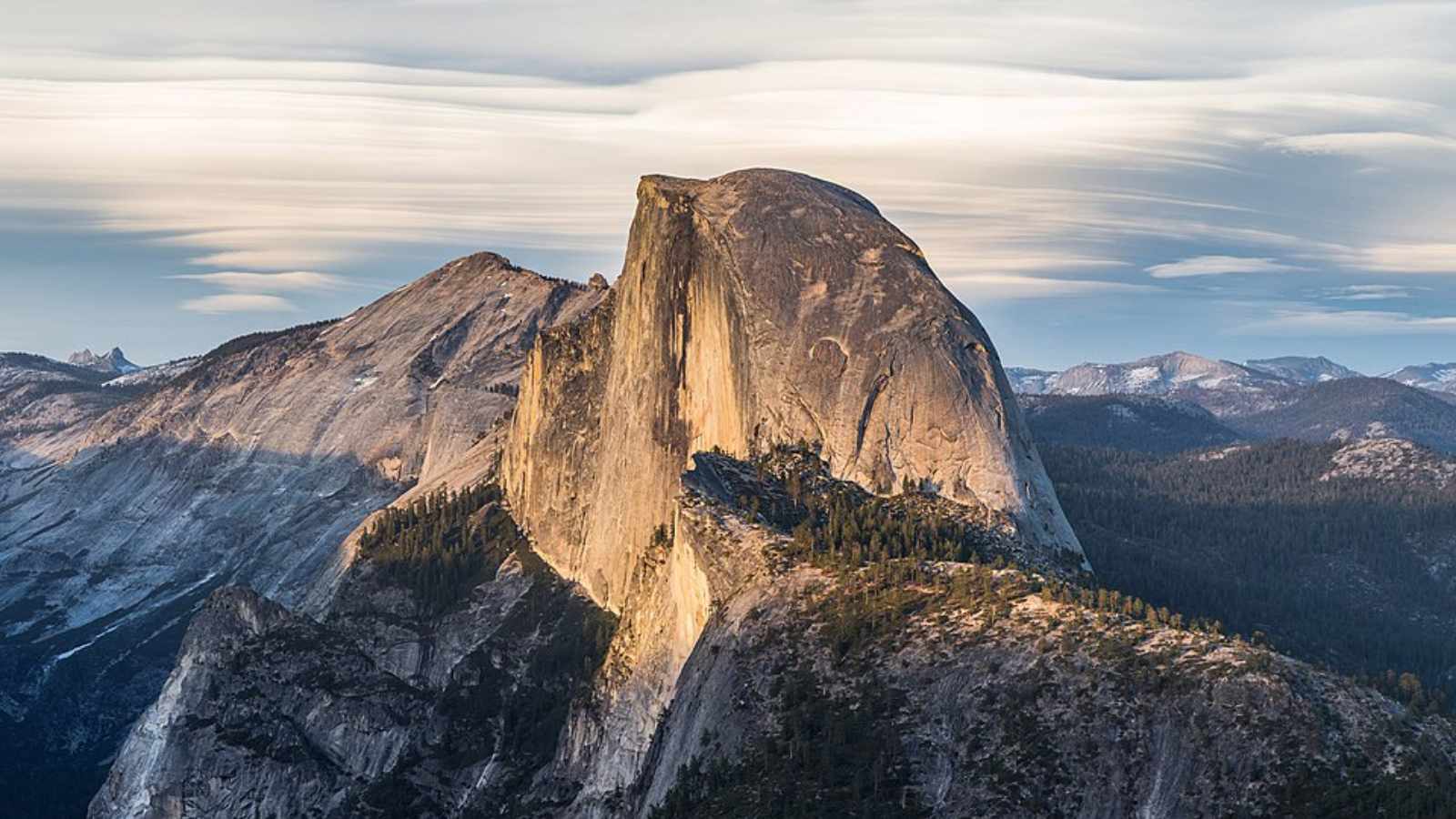
The Half Dome Cables Route is the crowning achievement of Yosemite National Park’s hiking trails. This 14- to 16-mile (22-to 26 km) hike includes a near-vertical ascent aided by steel cables bolted into the rock. The hike is famous for its dramatic final stretch, where climbers scramble up steep granite with the valley floor far below. With 4,800 feet (1,463 meters) of elevation gain, this hike tests endurance and bravery.
While the cables provide a safer ascent, the risk of falling, along with the ever-present threat of afternoon thunderstorms, makes this a challenging and dangerous trail. Hikers must be well-prepared with gloves, sturdy boots, and plenty of water.
Mount Fuji, Japan
Climbing Mount Fuji is both a pilgrimage and a serious mountain challenge. At 12,388 feet (3,776 meters), Japan’s most iconic peak attracts thousands of climbers each year, but it’s not without risks. Altitude sickness can strike unexpectedly above 8,200 feet (2,500 meters), and overcrowding can make the trails dangerous.
The Yoshida and Subashiri routes are well-maintained, but climbers must be prepared for sudden storms, extreme temperatures, and the possibility of fatigue. The Japanese government has taken steps to improve safety, but climbers should still exercise caution and properly acclimate to the altitude. For those who reach the summit, the reward is not only a spectacular view but also a sense of accomplishment on one of the world’s most renowned peaks.
Aonach Eagach Ridge, Scotland
In Scotland’s Glen Coe, the Aonach Eagach Ridge presents a thrilling and deadly challenge for experienced hikers. This narrow, rocky ridge is considered Britain’s most dangerous walk, with steep drops and technical scrambling along sharp rock features. The exposure on the ridge is intense, with no easy escape routes once committed to the climb.
The hike requires careful planning, as the weather can shift rapidly. Hikers need helmets, ropes, and a strong sense of teamwork to navigate the route safely. It’s not a beginner’s hike, but those with experience will be rewarded with one of Europe’s most spectacular ridgelines.
Barranco del Infierno, Tenerife, Spain
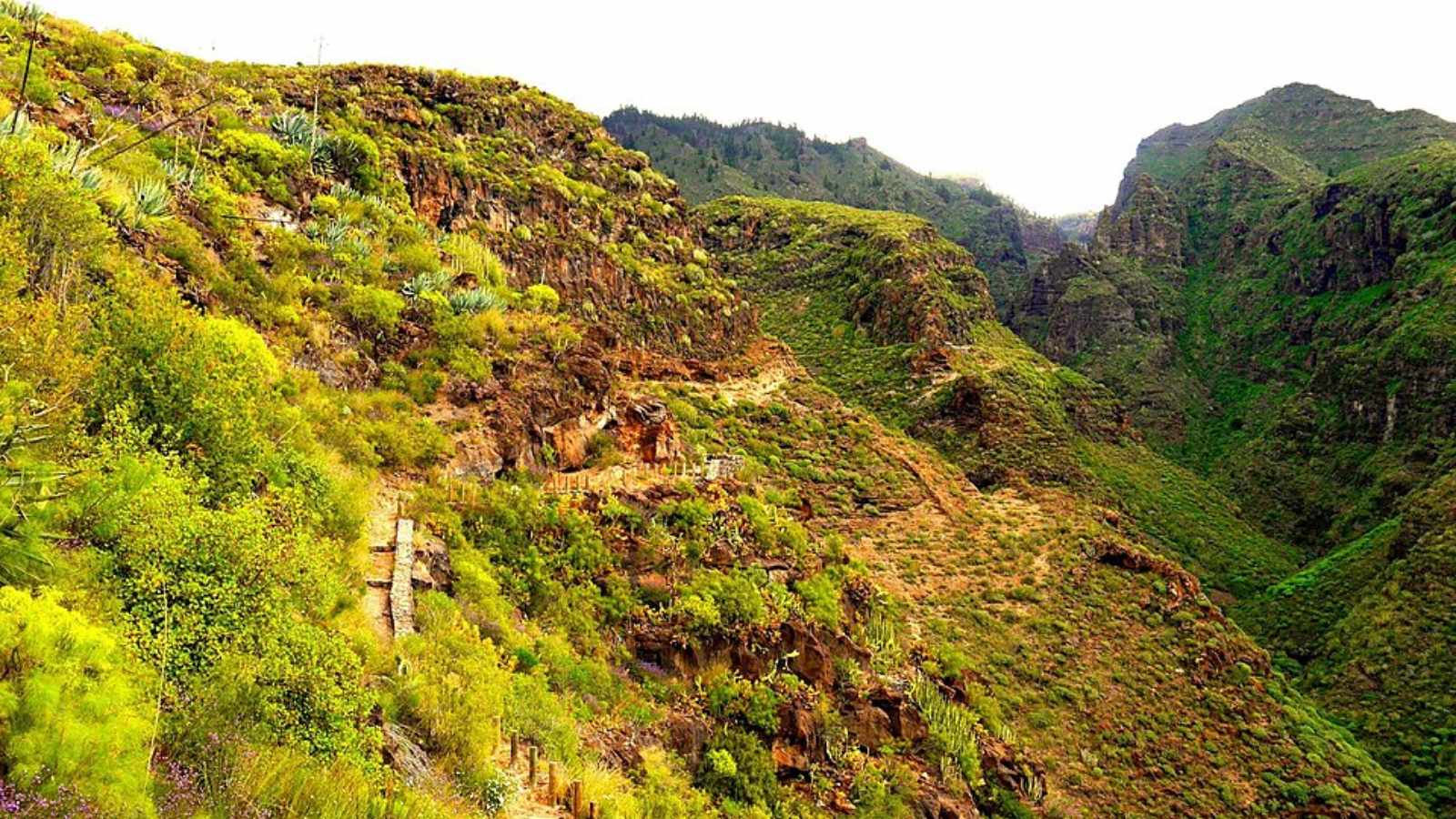
The Barranco del Infierno (Hell’s Gorge) in Tenerife is a stunning yet dangerous trail that winds through volcanic cliffs to the island’s highest waterfall. While the hike has been regulated with mandatory helmets, daily limits on visitor numbers, and online booking requirements, it still poses significant risks. Rockfalls and flash floods are a common danger, especially after heavy rains, making the trail treacherous.
Despite the dangers, the trail offers exceptional biodiversity, including rare species like the Tenerife bluet butterfly. Visitors must respect the guidelines, carry plenty of water, and be prepared for sudden weather changes.
Key Takeaways
These trails, though awe-inspiring, are not for the unprepared. Each one offers unique challenges, such as vertical climbs, freezing temperatures, sudden storms, and remote terrain.
If you’re planning to take on any of these hikes, preparation is key—respect the trail, carry the necessary gear, and be ready for an adventure that will test both your physical limits and your mental fortitude.