6 Most Dangerous Birds in the Animal Kingdom
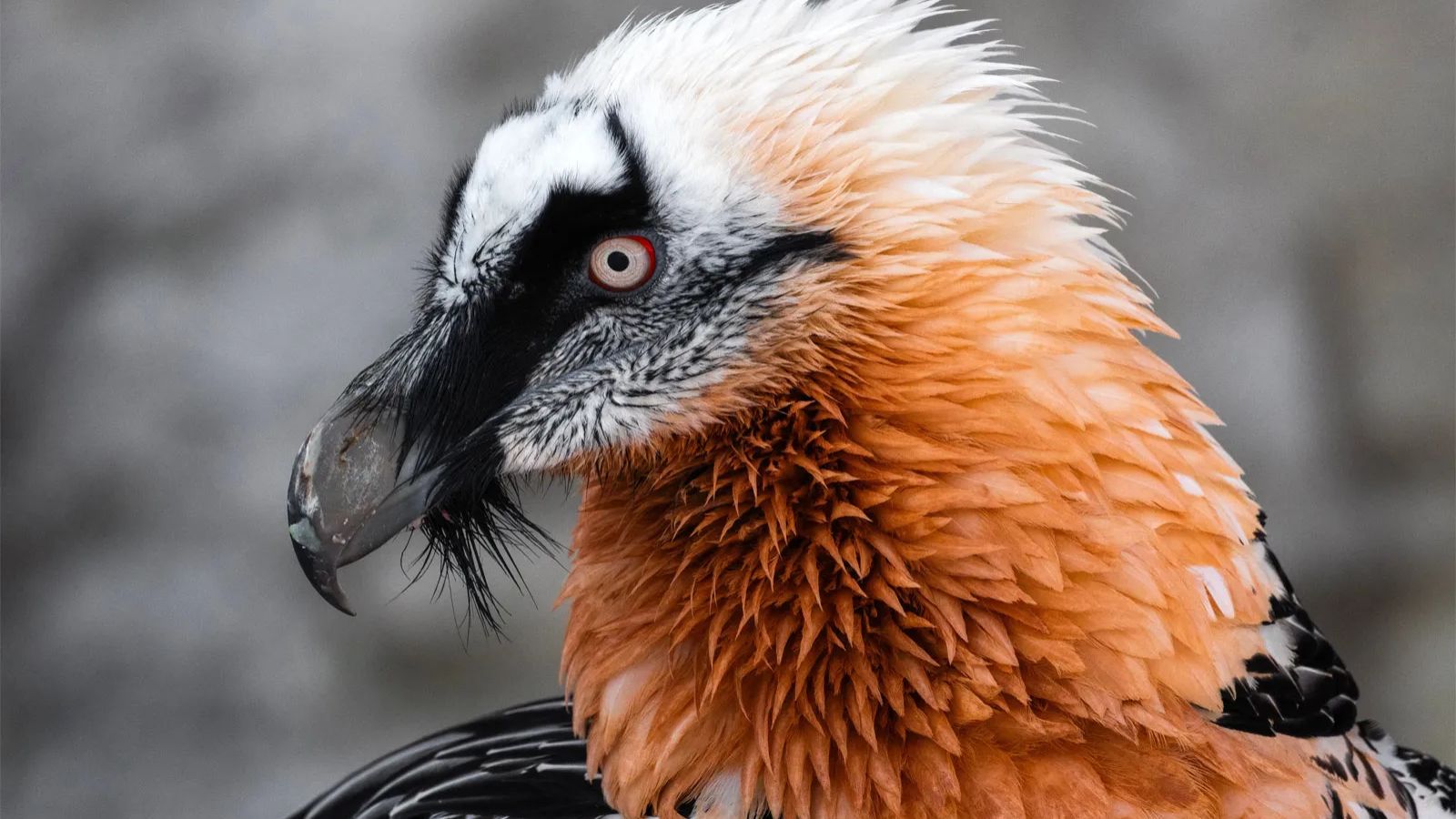
Some birds, despite their graceful appearance, carry a surprising danger that can catch even the most seasoned wildlife enthusiasts off guard. Not all creatures with wings are content to simply soar above us—certain species are equipped with powerful tools for defense, capable of delivering serious harm when provoked. The cassowary, with its lethal claws, or the ostrich, which can kick with enough force to kill, are just a few examples of birds that pack more punch than one might expect.
These birds possess unique traits, from razor-sharp talons to incredible speed, making them fascinating yet intimidating forces in the animal kingdom. Understanding their behaviors and the potential risks they present can offer insight into the remarkable world of dangerous birds.
Cassowary
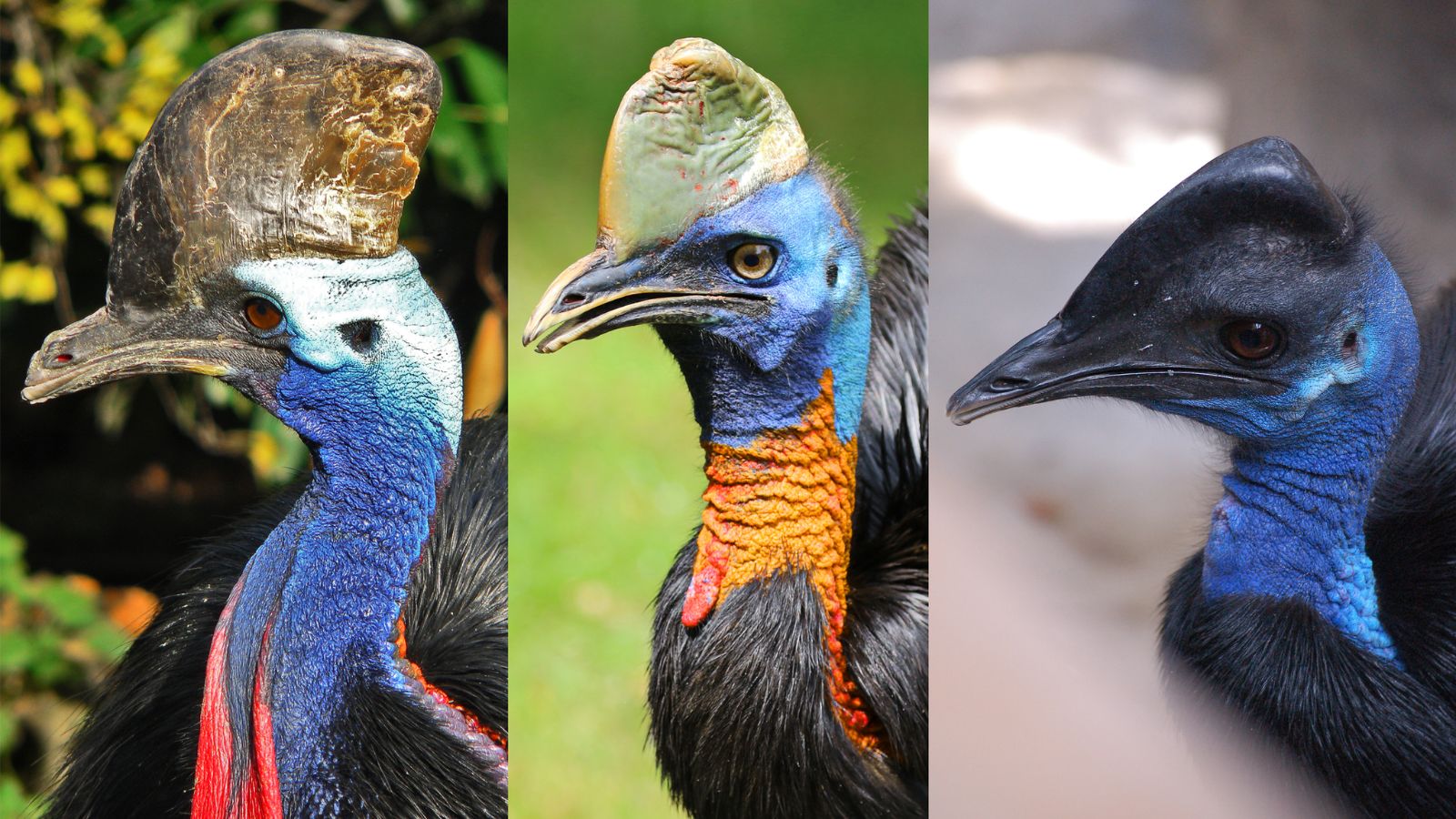
Perhaps the most dangerous bird in the world, the cassowary is a flightless giant native to the tropical forests of New Guinea and northern Australia. Standing nearly six feet tall and weighing up to 130 pounds, the cassowary has powerful legs that it uses to charge at threats. The bird’s sharp, dagger-like claws can reach up to five inches in length, capable of slashing through skin and muscle with devastating effect.
Cassowaries are often regarded as the “most dangerous bird” due to the number of fatalities attributed to their attacks. The most infamous of these was the death of a man in 1926, who was killed by a cassowary’s powerful kick that severed his jugular. While attacks on humans are rare, they often occur when the bird feels cornered or when its eggs are threatened.
Despite their dangerous potential, cassowaries are primarily solitary creatures that tend to avoid human interaction when left undisturbed.
Ostrich
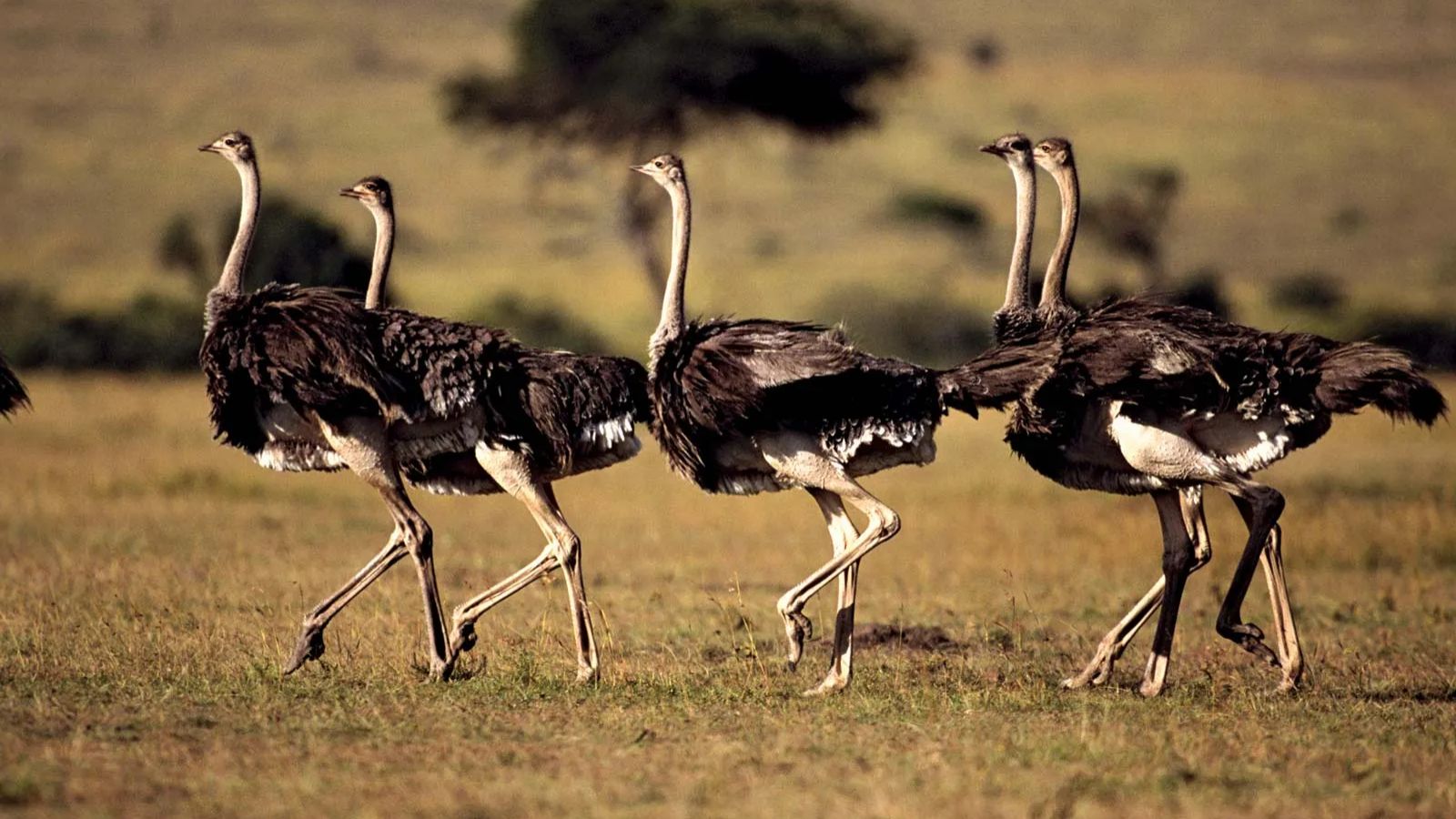
Ostriches, the world’s largest birds, may look docile and harmless from afar, but they can be incredibly dangerous when provoked. Native to Africa, adult male ostriches can grow up to 9 feet tall and weigh more than 300 pounds. They are known for their incredible speed, capable of running at up to 45 miles per hour.
However, it’s not just their speed that makes ostriches a danger; it’s their powerful legs. Each leg ends in two toes, with the larger toe having a sharp claw capable of delivering a fatal kick. While ostrich attacks are rarely fatal, they can cause serious injury.
One notable incident involved American musician Johnny Cash, who was attacked by an ostrich on his property in 1981. The ostrich’s powerful kick struck Cash in the abdomen, leaving him with a potentially life-threatening injury. The fact that Cash was saved by his belt buckle shows just how dangerous these birds can be.
Emu
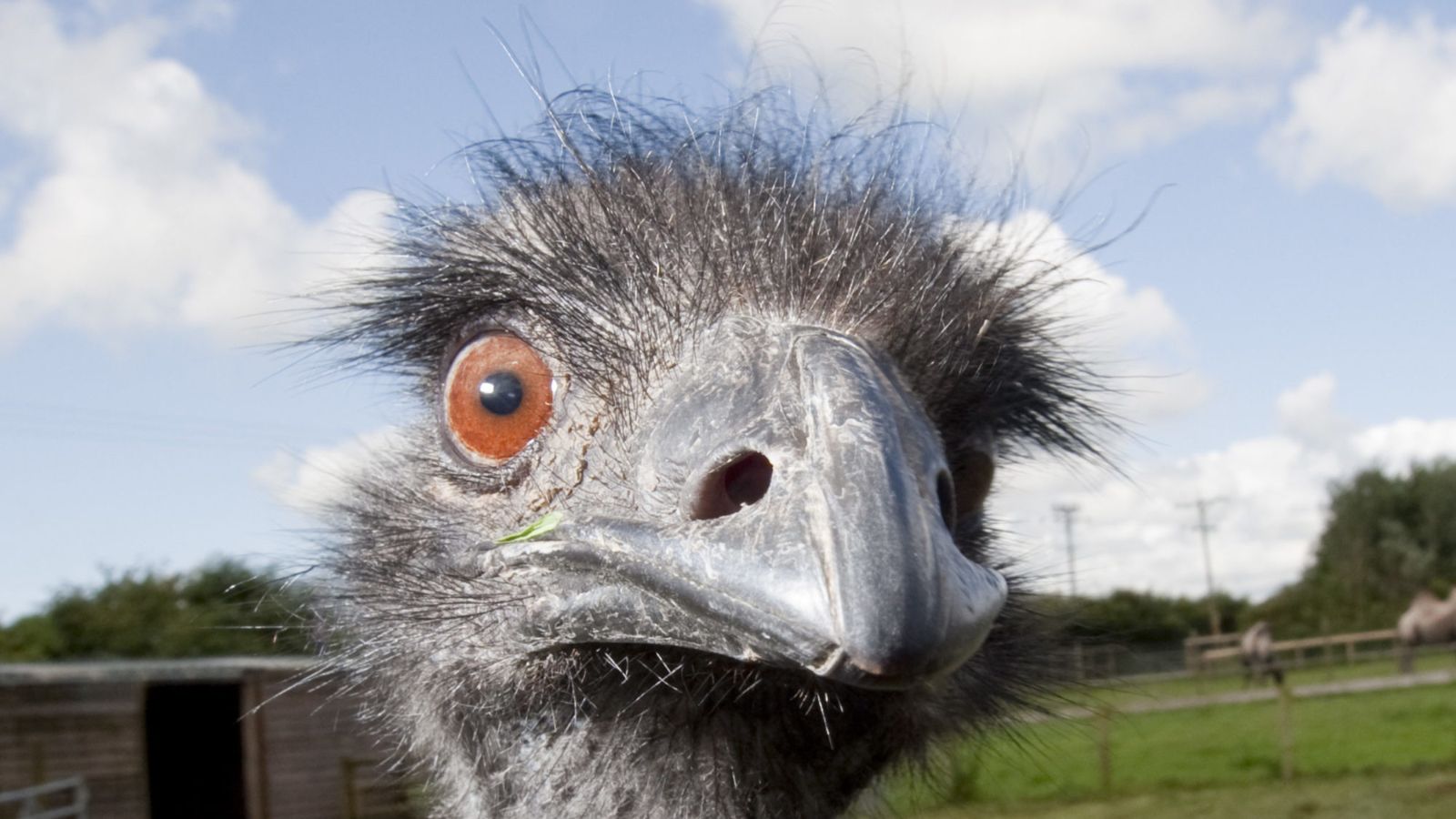
Emus, the second-largest bird in the world, are often overshadowed by their larger, more intimidating cousins like the cassowary and ostrich. However, these birds, which are native to Australia, can be quite aggressive if threatened. Like their relatives, emus have strong legs with sharp claws that can inflict serious injuries.
Though emus are generally peaceful creatures, they are known to kick if provoked. In the wild, emus can run up to 30 miles per hour, helping them evade predators. While human fatalities from emu attacks are exceedingly rare, reports of injuries do occur, especially in zoos or wildlife parks where emus are confined.
In fact, over 100 emu-related injuries were reported in Australia in 2009 alone, showcasing the bird’s potential for harm when it feels cornered or threatened.
Lammergeier
The lammergeier, also known as the bearded vulture, is a large bird of prey that resides in mountainous regions across Europe, Asia, and Africa. With a wingspan that can reach over 9 feet, the lammergeier may look intimidating, but it’s not the bird’s size that makes it dangerous. It is its remarkable feeding habits that set it apart from other dangerous birds.
Unlike other vultures, the lammergeier feeds primarily on bones. To break open the bones, the bird drops them from great heights—sometimes from as high as 80 meters (260 feet)—onto flat rocks below.
This feeding method has earned the bird a reputation as a “bone-crusher.” While the bird does not pose a direct threat to humans, a famous legend tells of the ancient Greek playwright Aeschylus, who allegedly died after a lammergeier dropped a tortoise on his head. Though the story is likely apocryphal, it highlights the bird’s deadly potential.
Great Horned Owl
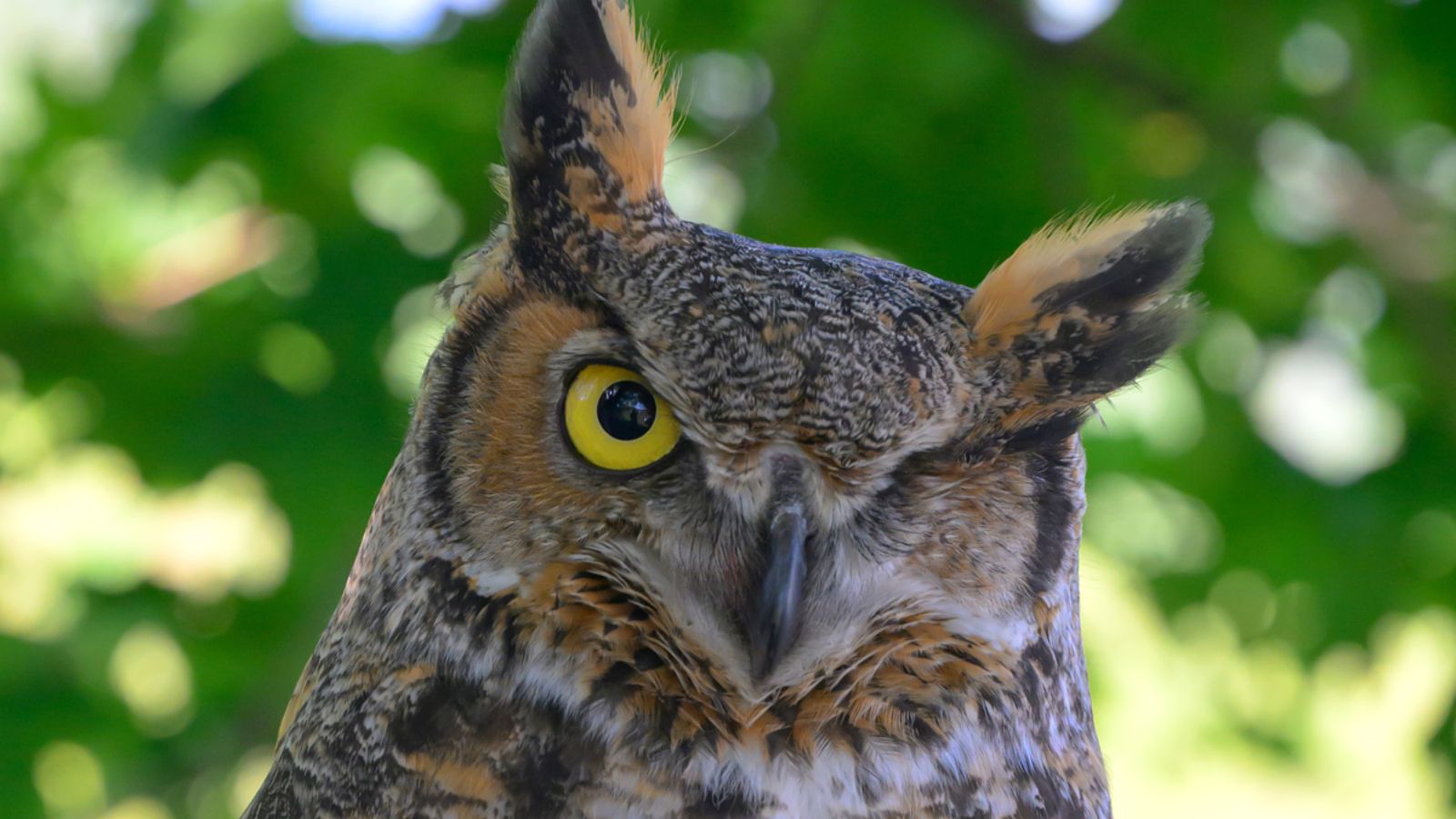
Great horned owls are one of the most common owl species in North America, and while they are not typically known for attacking humans, they can be deadly when threatened. These owls, which can grow up to 2 feet tall, have powerful talons capable of exerting a crushing force of up to 500 psi—equivalent to the bite of a large guard dog.
Great horned owls are known to attack when defending their young, their mates, or their territory. In 2012, several joggers in a Seattle park reported being attacked by a great horned owl. The bird swooped down from a tree, striking one jogger on the head. The attack left the victim with serious injuries, but they managed to escape.
Though owl attacks on humans are rare, they serve as a reminder of how dangerous even smaller birds of prey can be.
Barred Owl
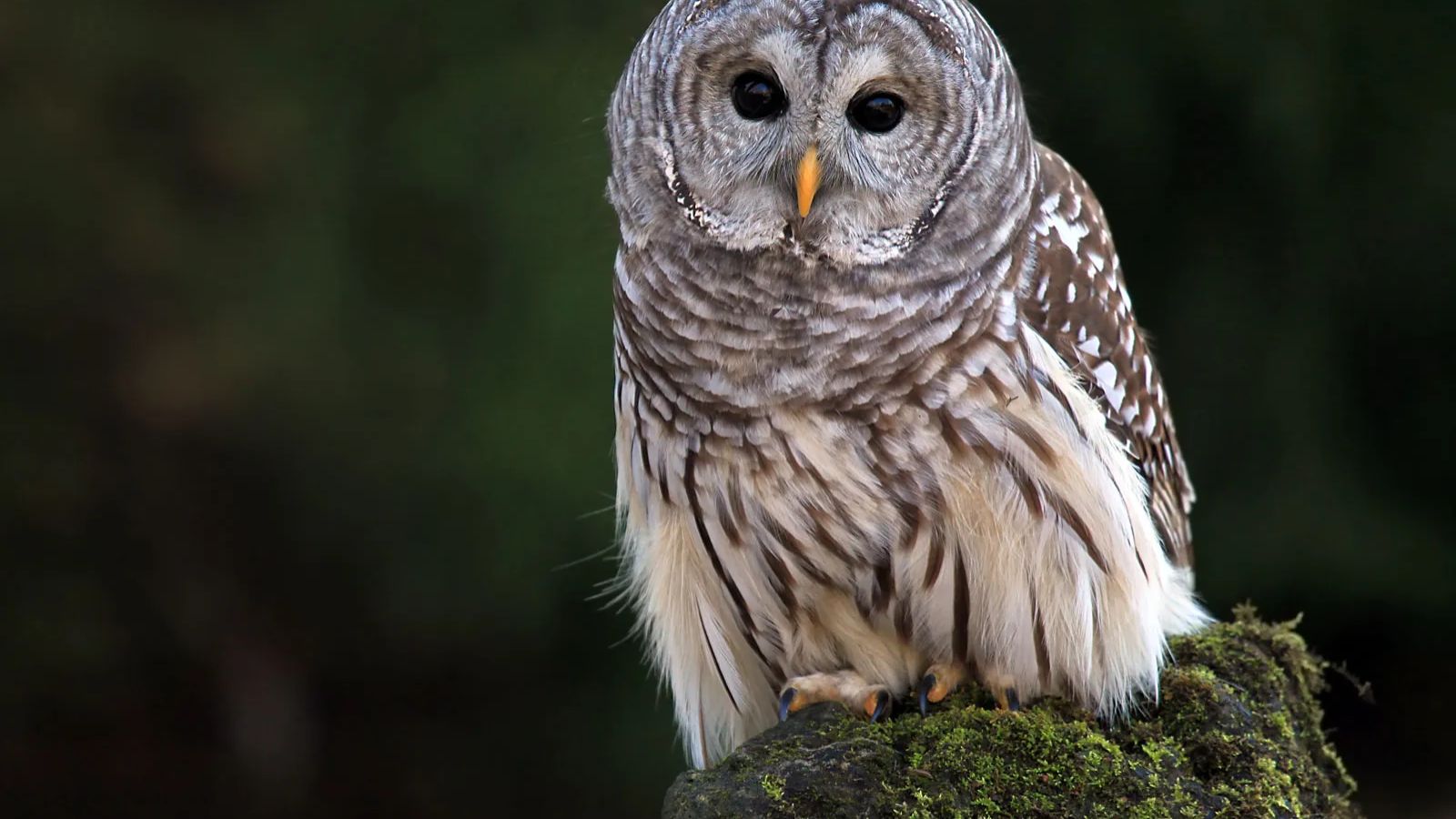
Barred owls, which inhabit much of eastern North America, are smaller than their great horned cousins but are still capable of inflicting harm. Like other owls, barred owls are fiercely territorial and will attack if they feel their space is being invaded. Though attacks on humans are rare, they have occurred on several occasions.
In 2003, a bizarre murder case in North Carolina brought attention to the potential danger of barred owls. The defendant’s attorneys suggested that a barred owl might have been responsible for the victim’s injuries. The owl allegedly became entangled in the victim’s hair and scratched and pecked at her before the victim stumbled into the house and fell to her death.
While this theory remains controversial, it highlights the often underestimated power of these smaller, seemingly harmless owls.
Conclusion
While most birds are peaceful and harmless, there are certain species that can be surprisingly dangerous. From the powerful legs of the ostrich to the sharp claws of the cassowary, these birds have evolved unique survival strategies that make them formidable opponents. Whether it’s defending their territory, protecting their young, or simply reacting to a perceived threat, these birds remind us that even the most majestic creatures can have a darker side.
Birds like the cassowary and ostrich might seem unlikely candidates for the “most dangerous” title, but their powerful abilities and aggressive instincts make them forces to be reckoned with. As humans continue to encroach on their habitats, it’s important to approach these creatures with respect and caution. Understanding the potential dangers posed by these birds can help us avoid conflicts and ensure a safe interaction with wildlife.
Read the original article on crafting your home