

This article was originally published on Crafting Your Home. A human contributor also wrote and edited the post.
Michelle Obama is opening about the pressures of being the first Black woman to serve as first lady, revealing that some personal style choices felt impossible while living in the White House.
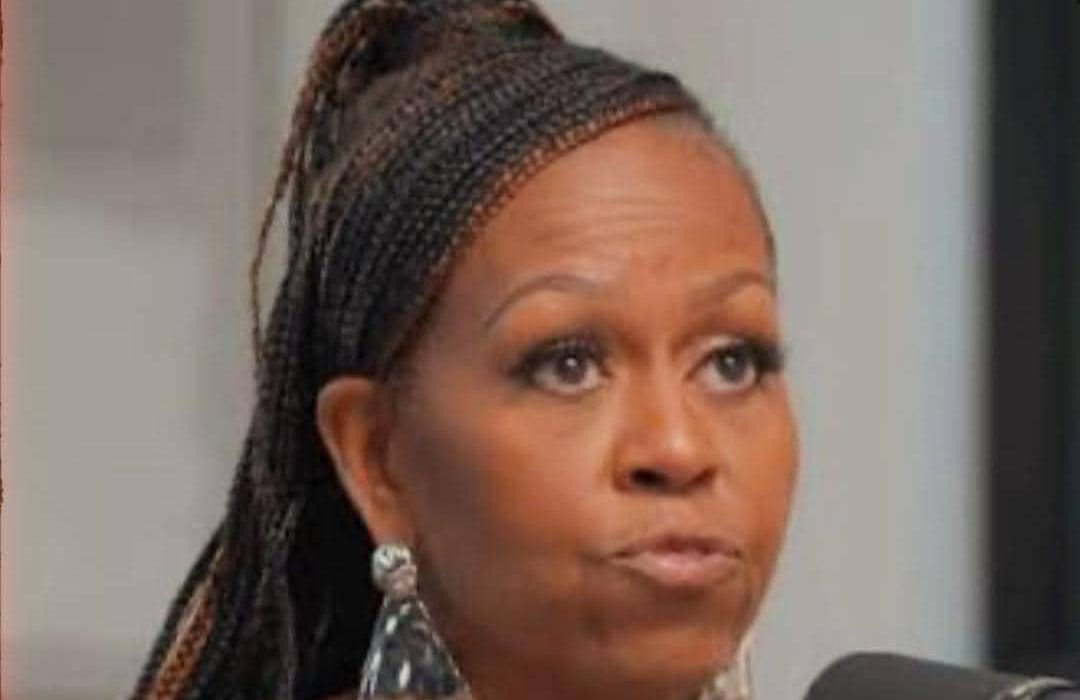
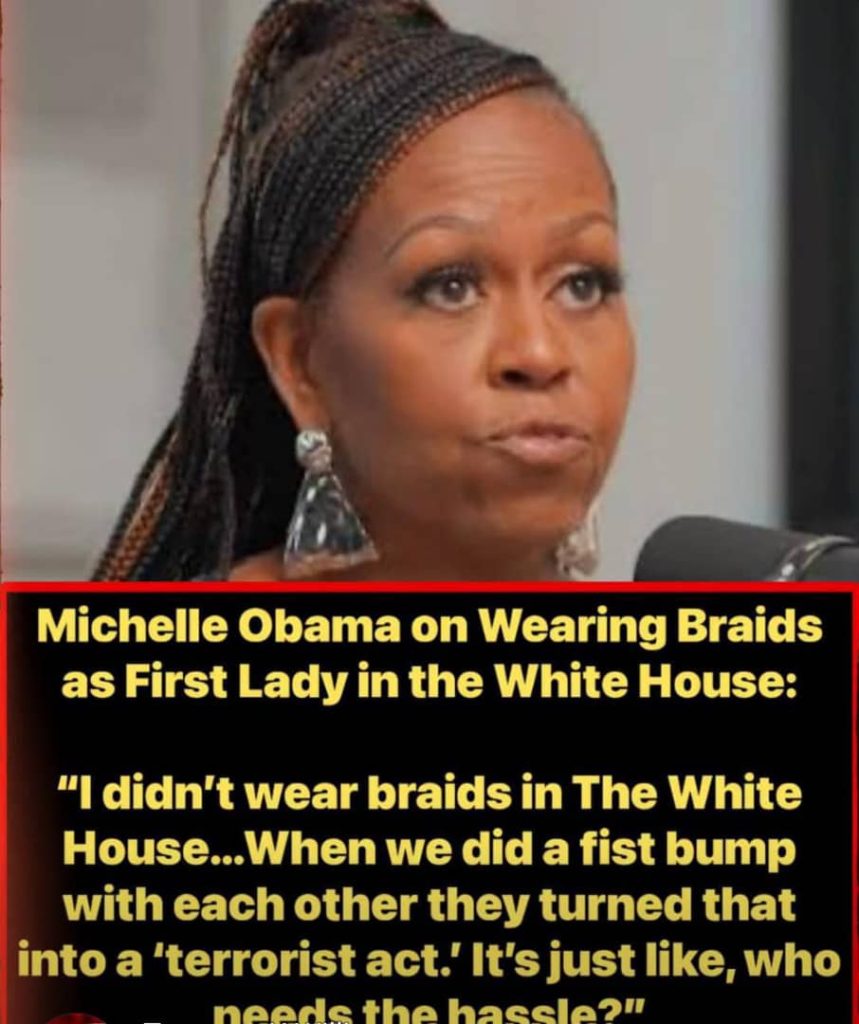
In a recent discussion, Obama said she chose not to wear braids during her eight years as first lady because she believed the public reaction would distract from her work and message.
“I didn’t wear braids in the White House,” Obama said. “When we did a fist bump with each other, they turned that into a ‘terrorist act.’ It’s just like, who needs the hassle?”
Her comments highlighted the intense public attention placed on her appearance, clothing, and gestures during her husband Barack Obama’s presidency.
For Michelle Obama, the issue was not simply about fashion. She said every decision carried political meaning because she understood that many people were watching her as a historic figure.
A first lady under a powerful spotlight
Michelle Obama became the first Black woman to serve as first lady when Barack Obama took office as the 44th president of the United States in 2009.
Throughout her time in the White House, she became known for her work on issues including children’s health, military families, education, and healthy eating through initiatives such as the “Let’s Move!” campaign.
However, her role also came with intense public examinations.
Her clothing choices, hairstyles, speeches, and even casual moments often became topics of national discussion.
Obama has previously spoken about the expectations placed on her as a Black woman in a highly visible political position. She has described feeling pressure to carefully consider how she presented herself because she knew her actions could be interpreted beyond their original meaning.
Her latest comments reflect that experience, explaining why some traditional Black hairstyles, including braids, were not part of her public image during her years in the White House.
Braids have a long cultural history and are widely worn by Black women. Over the years, public figures have often faced debates about whether natural hairstyles are viewed differently depending on race, gender, and social expectations.
Obama’s decision, she explained, was about avoiding unnecessary controversy while focusing attention on her role and responsibilities.
The “fist bump” controversy she remembered
Obama also referenced the criticism she and Barack Obama received after a simple gesture during the 2008 presidential campaign.
During a campaign event, the couple exchanged a first bump, which was later criticized by some commentators who portrayed it as a controversial symbol.
Obama described the reaction as an example of how ordinary actions could become heavily politicized.
“When we did a fist bump with each other, they turned that into a ‘terrorist act,’” she said.
The moment became one of several examples cited by supporters who argued that the Obamas faced unusually intense scrutiny compared with previous presidential families.
Barack Obama himself addressed similar issues during his presidency, often discussing the challenge of leading while facing criticism from political opponents and media commentators.
Critics of the Obamas have argued that political figures should expect public attention and criticism, regardless of their background.
The disagreement reflects a broader debate about race, representation, and the unique pressures faced by individuals who break historical barriers.
Obama’s reflections on identity and leadership
Since leaving the White House in 2017, Michelle Obama has continued speaking about leadership, personal identity, and the challenges of public life.
Her bestselling memoir, Becoming, explored her childhood, career, marriage, and experience as a first lady. The book became one of the most successful political memoirs in recent history.
In interviews following the release of Becoming, Obama has often emphasized the importance of authenticity while acknowledging the difficulties of being judged in the public eye.
Her comments about braids are part of a larger conversation about how public figures, especially women of color, navigate expectations about appearance and professionalism.
Supporters say her experience demonstrates the additional pressures faced by women who become symbols of representation.
Others argue that public officials and their families have always faced scrutiny and must balance personal expression with their public roles.
For Obama, the decision not to wear braids in the White House was not about rejecting the hairstyle. Instead, she described it as a practical choice made in an environment where even small personal decisions could become national debates.
Her reflection offers another look behind the scenes of presidential life, showing how much thought can go into choices that may appear simple from the outside.
Years after leaving office, Michelle Obama remains a major cultural figure, and her comments continue to spark conversations about race, identity, and the expectations placed on people in the spotlight.
If you like what you just read, then subscribe to our newsletter and follow us on social media.


