

This article was originally published on Crafting Your Home. A human contributor also wrote and edited the post.
The post Mel Gibson Calls His Own Behavior “Thoughtless Idiocy” After Sign Language Backlash Erupts first appeared on Crafting Your Home
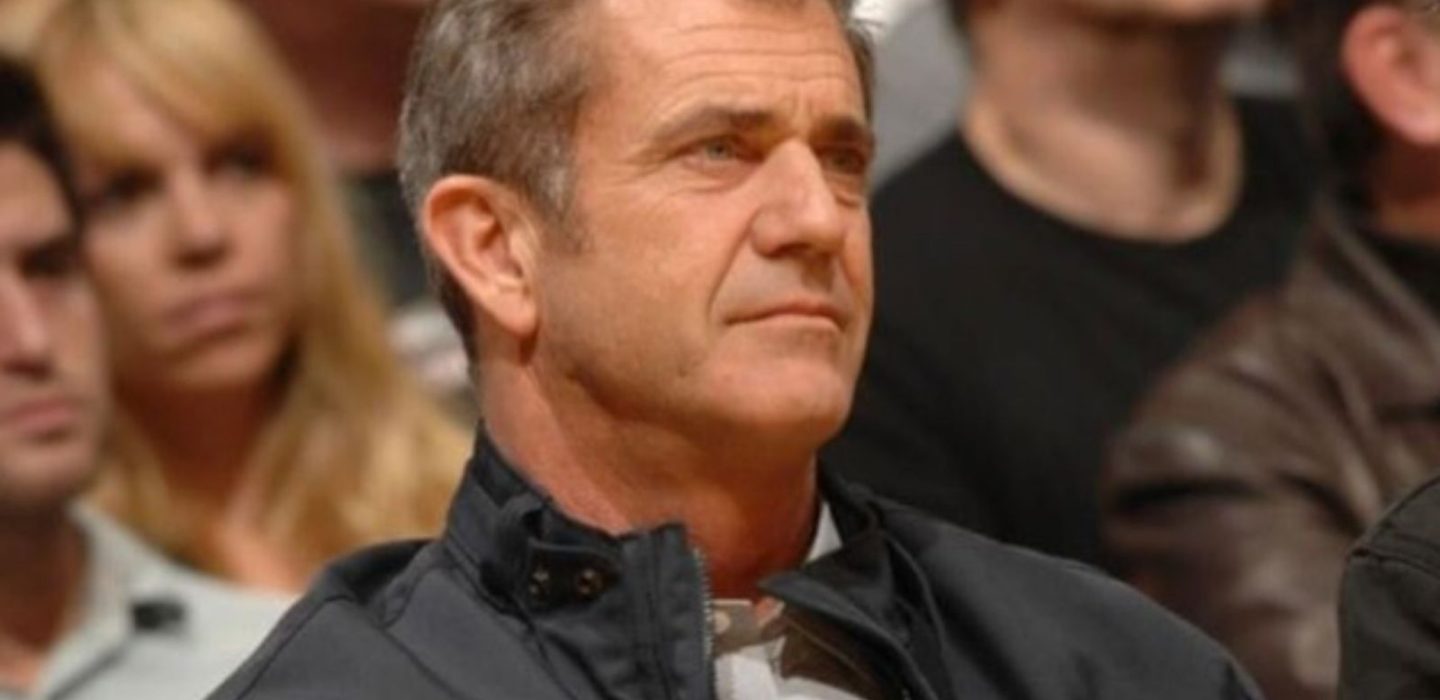
Mel Gibson has never been a stranger to controversy, but this time the trouble started with something that lasted only a few seconds on a convention stage.
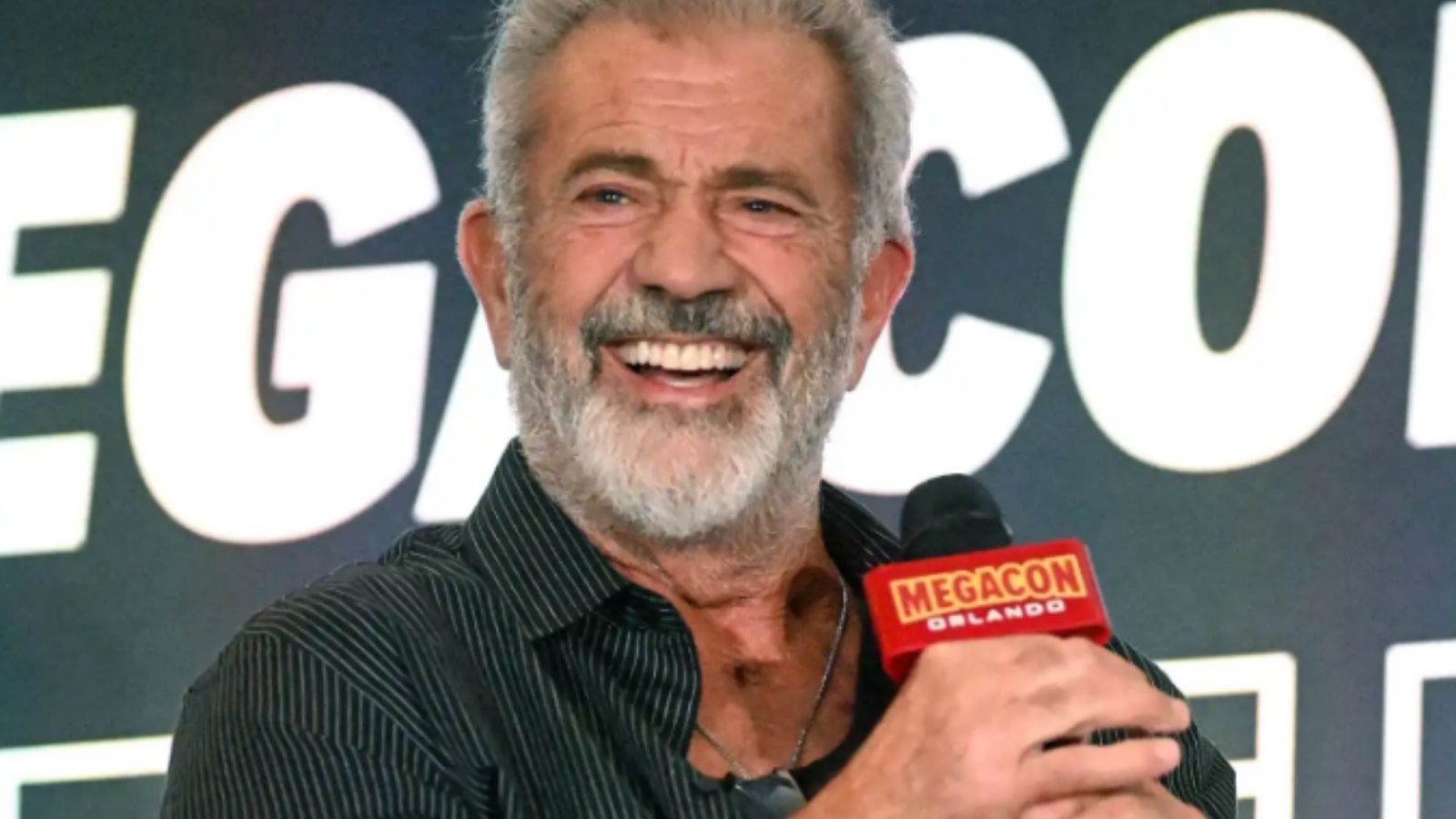
The 70-year-old actor and filmmaker appeared at FanExpo Canada in Toronto on August 29 for a retrospective Q&A, and the moment he walked out from backstage became the story instead of anything he said once he sat down.
Gibson entered behind an American Sign Language interpreter who signed his introduction for deaf and hard-of-hearing members of the crowd, and as he crossed the stage, he turned toward the audience.
Briefly, he mimicked her hand movements before continuing to shake hands with moderator Liam Crowley.
The clip spread quickly once it hit social media, with plenty of people reading Gibson’s gesture as mockery of the interpreter and, by extension, sign language itself and the community that relies on it.
Others watching the same few seconds of footage argued that people were reading too much into a quick, ambiguous moment and wanted more context before assuming the worst about what Gibson meant.
That split reaction didn’t stop the backlash from building quickly, and within a day it had become one of the more talked-about entertainment stories of the week.
Gibson did not stay silent for long. He addressed the incident directly in a statement, framing it as an unplanned lapse in judgment rather than anything premeditated.
“Sometimes when you get pushed out on a stage in a spotlight your mind is all over the place, and sometimes spontaneous thoughtless idiocy is displayed,” Gibson said.
He followed that admission with a direct apology aimed at anyone who had been offended by what they saw, adding, “There was no intended maliciousness attached, and I certainly apologize to anyone who was upset by it.”
What Actually Happened Onstage
Untangling exactly what occurred requires looking closely at the sequence of events, since so much of the reaction has hinged on a few seconds of ambiguous footage.
Moderator Liam Crowley introduced Gibson at Saturday’s event, and as he walked out, an ASL interpreter signed near the front of the stage for audience members who are deaf or hard of hearing.
Video shows Gibson turning toward the crowd and making a brief series of hand gestures before moving past the interpreter to greet Crowley and take his seat for the Q&A.
Crowley himself did not appear visibly bothered by what happened in the moment, continuing the introduction as planned without any apparent reaction to Gibson’s gesture.
That detail matters because it is one of the few pieces of firsthand context available from someone who was standing on stage at the time, even though it does not resolve the broader question of what was actually going through Gibson’s mind during those few seconds.
The interpreter has not been publicly identified, and no direct comment from her has surfaced regarding the incident.
Adding another layer to the online conversation, some social media users began circulating footage of actor Alan Ritchson at the same event, pointing out that he shook the interpreter’s hand after his own Q&A session wrapped up.
That comparison spread widely, with plenty of commenters holding Ritchson’s gesture up as an example of the kind of respectful acknowledgment they felt was missing from Gibson’s interaction.
Whether that framing is entirely fair, it clearly shaped how much of the online conversation around the FanExpo appearance played out.
The Backlash Online Was Swift and Loud
Reaction on X and other platforms arrived almost as quickly as the clip itself did, and much of it was pointed. One user wrote, “This is despicable!”, a sentiment echoed by numerous other commenters who felt Gibson’s gesture crossed a clear line.
Another X user, @eissyrc identifying as a member of the ASL community offered a more personal take on why the moment stung, writing, “Always disappointing to see my language mocked. We work hard to get our language recognized and be taken seriously.”
Other critics folded the incident into a larger conversation about Gibson’s history, with one commenter asking pointedly, “Why hasn’t he been blacklisted from everywhere yet? Genuinely don’t get it.”
Another user expressed frustration that Gibson still gets welcomed at public events in Toronto despite his past controversies, writing that it feels “ridiculous” and “nauseating” to see him embraced so openly.
Not every reaction was entirely negative, though. Some commenters said they still enjoy certain films Gibson has made even if their opinion of him personally has soured, reflecting the kind of complicated, mixed reaction that tends to follow him whenever a new controversy surfaces.
It did not take long for people to connect this incident to Gibson’s long and well-documented history of public controversies, which stretches back decades and includes past accusations involving antisemitic remarks and other offensive comments attributed to him over the years.
That history doesn’t confirm anything about his intentions at FanExpo. Still, it clearly shaped how quickly and harshly people online were willing to judge the moment once the clip started circulating.
For many viewers, this was simply the latest entry in a pattern rather than an isolated incident judged on its own.
Why His Apology Is Getting a Mixed Reception
Gibson’s statement acknowledged that what he did was careless, and he did not attempt to deny that the moment happened or that it upset people.
That alone puts his response ahead of some celebrity apologies that dodge responsibility entirely or question whether any offense was even reasonable.
At the same time, his choice to lead with the phrase “no intended maliciousness” has drawn its own scrutiny, since it emphasizes what he says he meant rather than how the gesture actually landed for the people it affected.
That distinction matters because intent and impact are not always the same, and many critics have pointed out that a gesture can read as mocking regardless of whether the person making it consciously set out to insult anyone.
At the same time, the video itself only captures a few seconds of an ambiguous physical gesture, and there is no way for anyone outside of Gibson’s own head to know with certainty what he was thinking in that exact moment on stage.
That uncertainty helps explain why the online conversation has stayed divided between people who see clear mockery and those who believe the reaction has outpaced what the footage actually shows.
FanExpo Canada, which celebrated its 30th anniversary this year and bills itself as one of the largest pop culture events in North America, has not issued its own public statement addressing the incident as of this writing.
Some online critics have specifically called for the convention to apologize to the interpreter and the broader deaf community for inviting Gibson to appear at all, arguing that his history should have factored into that decision.
Variety reported that it reached out to representatives for FanExpo Canada for additional comment following the backlash, though no response had been made public at the time of publication.
For now, the episode adds another chapter to a public career that has rarely gone more than a few years without controversy attached.
Gibson has continued working steadily in recent years, including wrapping production on a follow-up to The Passion of the Christ, and has maintained a steady presence on the convention circuit throughout the summer, including a prior stop at Fan Expo Boston.
Whether this latest moment fades quickly or lingers alongside his past controversies will likely depend on how much weight audiences give to his explanation versus the reaction the video sparked in the first place.
Other Posts You Might Like
- Emilie Ikeda Stuns Craig Melvin and Dylan Dreyer With Pregnancy Reveal on Live TV
- Harry Styles Just Delivered the Most British “I’m Not Saying Anything, But I’m Saying Everything” Joke About Taylor Swift’s Wedding
If you like what you just read, then subscribe to our newsletter and follow us on social media.


