
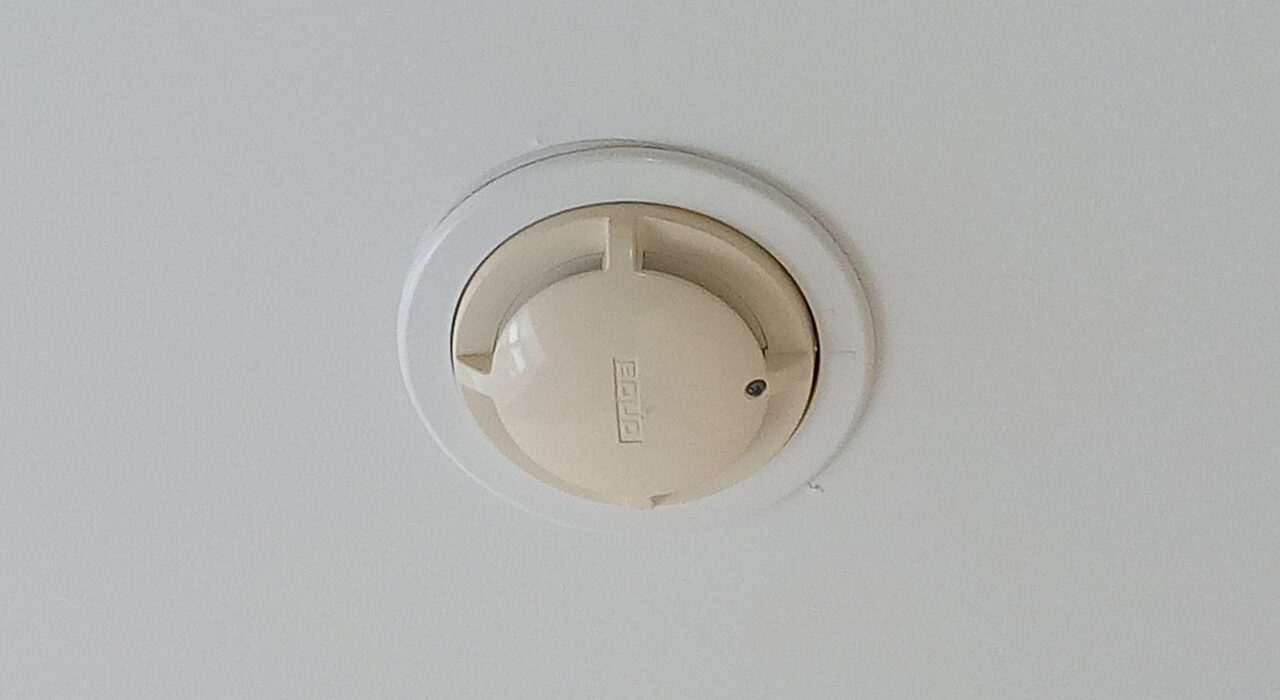

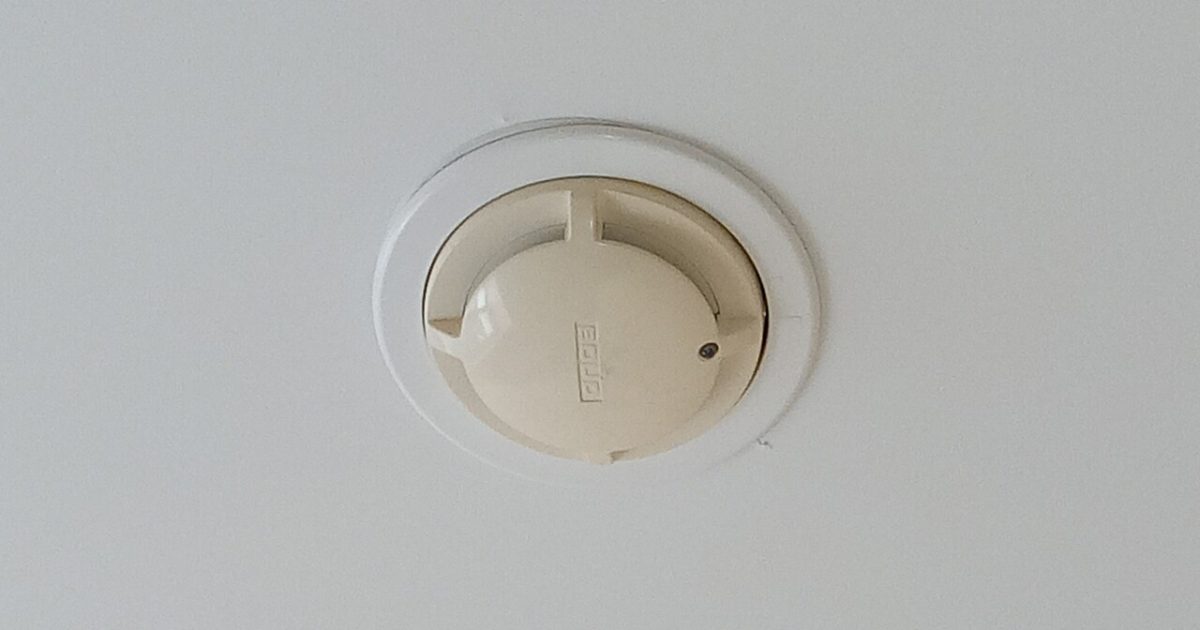
Federal safety officials are telling consumers to stop using combination smoke and carbon monoxide alarms sold under three brand names, model JZA-540COM, because the alarms can fail to sound when smoke or fire is present. About 51,825 units were sold on Amazon.com and eBay.com, and the warning is not a company recall, according to the U.S. Consumer Product Safety Commission.
What the Warning Covers

The alarms were sold as JuzhiAnn, Yfwsrecinoe and JAEHSKA, and the model number to look for is JZA-540COM. The commission describes them as combination smoke and carbon monoxide alarms with a white plastic body and a digital display, sold as a single unit or in multipacks.
They were available on Amazon.com and eBay.com from November 2023 through October 2026 for between $11 and $107. The commission is aware of seven reports of the alarms failing to alert during smoke or fire, and it issued safety warning No. 27-052 on Oct. 29, 2026. Anyone with an alarm bought in the past three years from either site may be affected. A broader walkthrough of alarm basics appears in this post on smoke alarm tests around the clock change, and a different kind of shopping check is covered in a piece on home appliances worth buying new.
Why This Is Not a Recall
The commission says the firm behind the products, Shenzhen Laijinhe Trading Co., Ltd., which does business under the Yfwsrecinoe name, is located in China and has not responded to the commission’s request to recall the products. The warning page describes no refund, replacement or other remedy.
That is why the commission’s instructions go straight to the household: stop using the alarms immediately, dispose of them and install working smoke alarms and carbon monoxide detectors. It also says not to sell or give away the affected units, and to report any safety incident at SaferProducts.gov, the commission’s public database for reports about unsafe products.
A similar warning was issued in July for another set of combination alarms sold on Amazon, eBay and Sears, according to the commission’s earlier JNHCD warning, which listed 14 product identifiers. A related reminder about carbon monoxide safety, this time involving generators, can be found in a post on running a generator 20 feet from the house, and a lighter read on common choices that backfire covers the shopping side.
How to Check a Home
The first step is to look at each alarm in the house for the model number and brand names. Alarms that match should come down, and the commission’s guidance is to buy replacements that meet the UL 2034 and UL 217 standards, which the warning page names as the marks to look for. A winter fire-safety post on home heating fires in December, January and February is a good companion read, and a gadget-care guide on how to clean AirPods and their case shows how small devices reward regular attention.
The American Red Cross advises checking each alarm once a month and replacing the batteries if an alarm fails its test. It also advises installing smoke alarms on every level of the home, inside bedrooms and outside sleeping areas, and notes that a household may have as little as two minutes to escape a home fire.
Two simple checks fit the same weekend: confirming that each alarm sounds when tested, and confirming that the household knows what to do when it does. Holiday decorating raises the stakes, and a post on checks for the tree, cords and outlets belongs on the same to-do list, alongside a list of essential items to keep stocked in the refrigerator.
Ready.gov adds that batteries should be replaced twice a year unless the alarm uses 10-year lithium batteries, and that the entire alarm should be replaced every 10 years or as the manufacturer instructs.
Where Alarms Belong and When to Replace Them
The commission recommends installing smoke alarms and carbon monoxide detectors on every level of the home and outside separate sleeping areas, using battery-operated units or units with battery backup, and testing them often.
The National Fire Protection Association, in a summary carried by CE Pro, says alarms should be replaced at least 10 years after their manufacture date, not the purchase or installation date, and that the date is printed on the back or side of the unit. The same summary says smoke alarms should be tested once a month.
It reports that three in five home fire deaths happen in homes with no smoke alarms or no working alarms, and that working smoke alarms cut the risk of dying in a home fire in half. In its survey, 19 percent of Americans with smoke alarms said their oldest alarm was 10 or more years old.
For anyone who finds a matching alarm, the commission’s hotline is 800-638-2772.
Get stories like this by email. Sign up for Crafting Your Home.
This article was produced with AI assistance and edited for accuracy against the sources linked above.
Image: Georg Pik – CC0/Wikimedia Commons
