7 Items Boomers Bought in the 1970s and Still Use Today

In an era marked by disposable electronics and rapid product cycles, it may seem surprising to find household items from the 1970s still in use today. Yet many boomers continue to rely on products purchased decades ago for their durability, craftsmanship, and timeless functionality.
In economic terms, these are durable goods: products designed to last many years and provide utility over long periods, rather than being quickly replaced.
Mechanical Watches
Unlike modern smartwatches that require frequent upgrades, mechanical watches from the 1970s, especially manual-wind and early automatic models, can still run reliably with periodic servicing. These watches use precision gears and springs rather than electronic circuits and, when properly maintained, can function for many decades.
Where digital quartz watches may fail when their electronics deteriorate, classic mechanical movements can be disassembled, cleaned, and lubricated; a repair regimen that adds miles to their functional lifetime.
Solid Wood Furniture
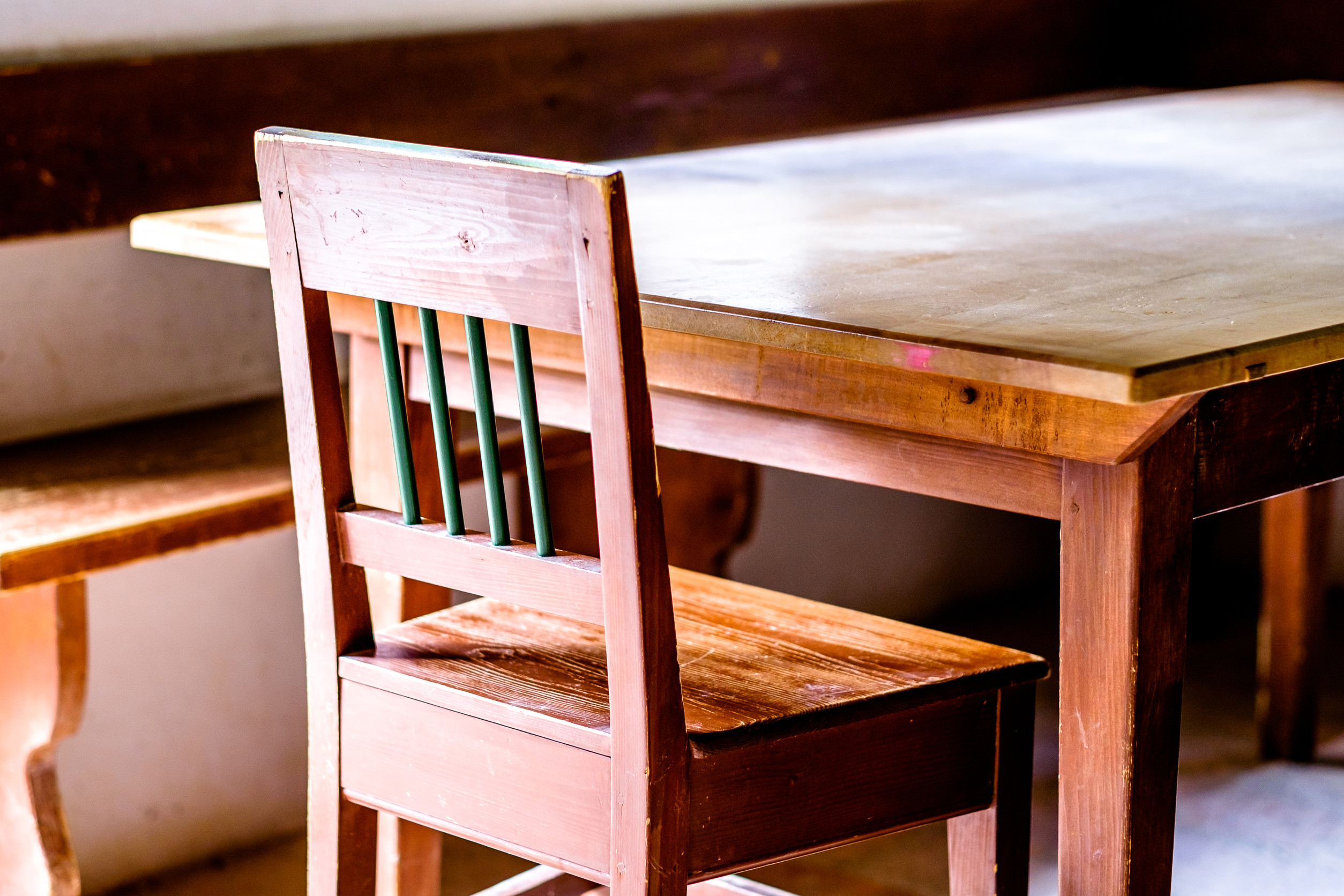
Solid wood furniture purchased in the 1970s, such as dining tables or dressers made from oak, maple, or other hardwoods, often still stands today. Unlike modern particle board or laminate products that tend to degrade quickly, solid wood can be refinished, tightened, or repaired as joints loosen.
Scientific studies of wood longevity show that properly constructed and maintained wood artifacts can survive for centuries, which explains why older wooden pieces often outlast their modern counterparts.
Cast Iron Cookware
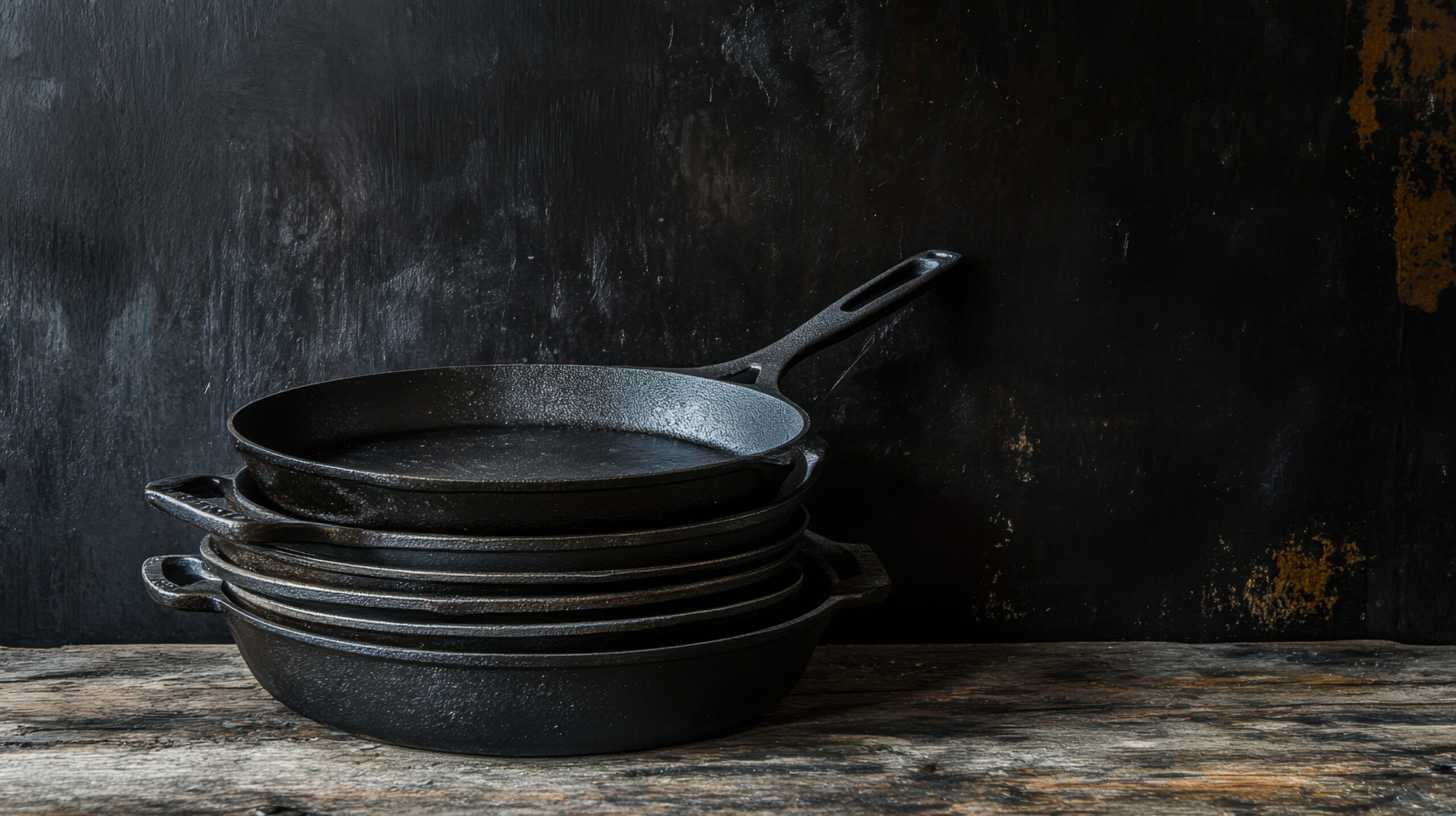
One of the most iconic kitchen tools still found in boomer homes is the cast iron skillet. The basic metallurgy of cast iron, primarily iron with a small percentage of carbon, contributes to its durability.
Cast iron’s thermal mass and resistance to warping give it advantages that modern cheap non-stick coatings can’t match. Today, vintage cast iron still remains popular among cooks and collectors alike.
Leather Goods
High-quality leather products such as belts, jackets, and bags were often purchased by boomers in the 1970s and remain in active use. Leather is a natural material that, with proper care, improves in character over time, developing a patina and resistance to wear.
Unlike many modern synthetic materials that degrade quickly or become brittle, full-grain leather resists abrasion and can be repaired or conditioned to extend its use, making it a favorite long-lasting material for fashion and utility items alike.
Vinyl Records and Turntables
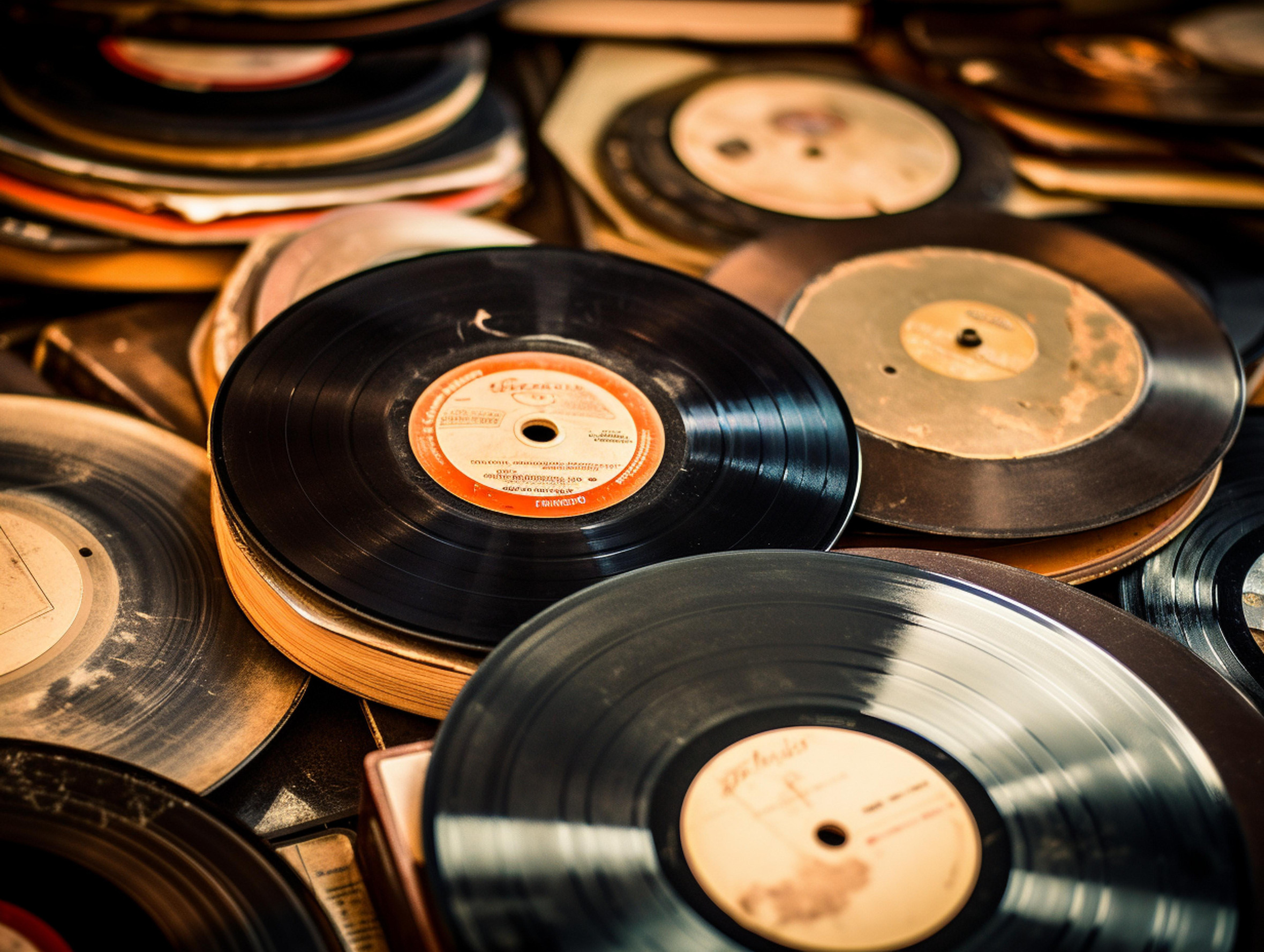
Although digital formats dominate music consumption today, vinyl records and turntables from the 1970s have persisted both in households and among audiophiles. The polyvinyl chloride (PVC) used in vinyl can last for many decades when stored upright and handled correctly.
Unlike compressed digital files that rely on technology that can become obsolete, vinyl records are a physical medium that doesn’t require software compatibility; just a working record player and stylus.
Hand Tools
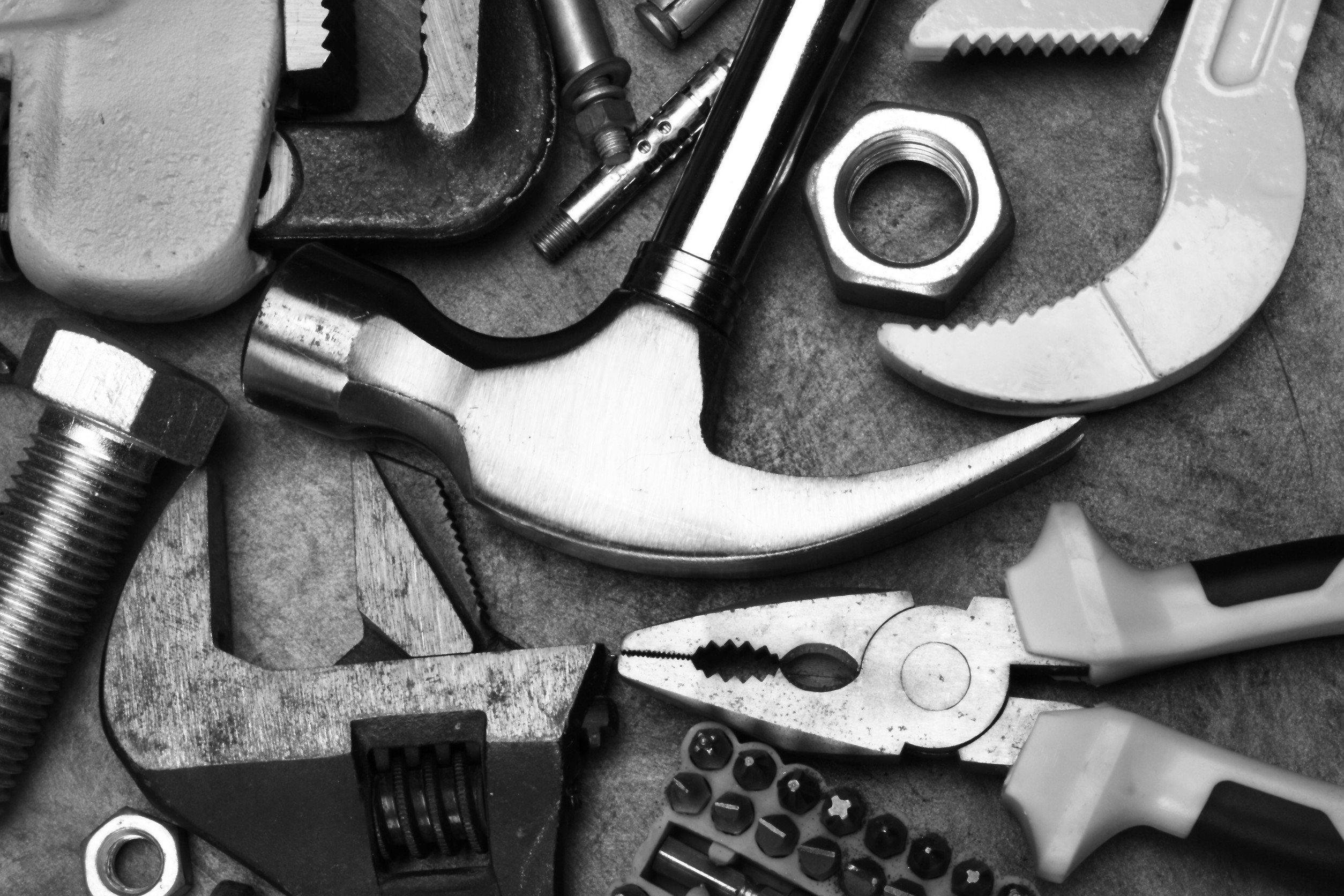
Many boomers still use hand tools acquired decades ago, including wrenches, screwdrivers, and hammers. These tools were commonly made from high-carbon steel or forged steel, and their simple mechanical design makes them easy to maintain and repair.
In contrast to many modern tools with lightweight plastics or complex electronics, older hand tools have fewer failure points and are often regarded as “built to last.”
Cookware and Storage
Original Pyrex glassware and classic Tupperware containers also embody the durability of 1970s products. Vintage Pyrex, made from borosilicate glass, resists thermal shock, meaning it can go from fridge to oven without cracking, a quality that older soda-lime glass lacked.
Similarly, early Tupperware’s thicker plastics and robust seals mean these containers can withstand repeated use without the brittleness or cracking seen in many modern plastics.
Key Takeaways

Products purchased in the 1970s often still work today because they were made from materials designed to endure and were built to be serviced, not discarded. Whether through solid wood, robust metal, or replaceable mechanical parts, these items continue to defy the trend toward disposable design.
While not all products from that era survived, the persistence of certain items underscores a broader lesson: long-lived goods can reduce waste and deliver value over decades, a principle that resonates with today’s growing focus on sustainability and mindful consumption.
Read the original article on Crafting Your Home